Bairro
/BUY-roo/
Meaning
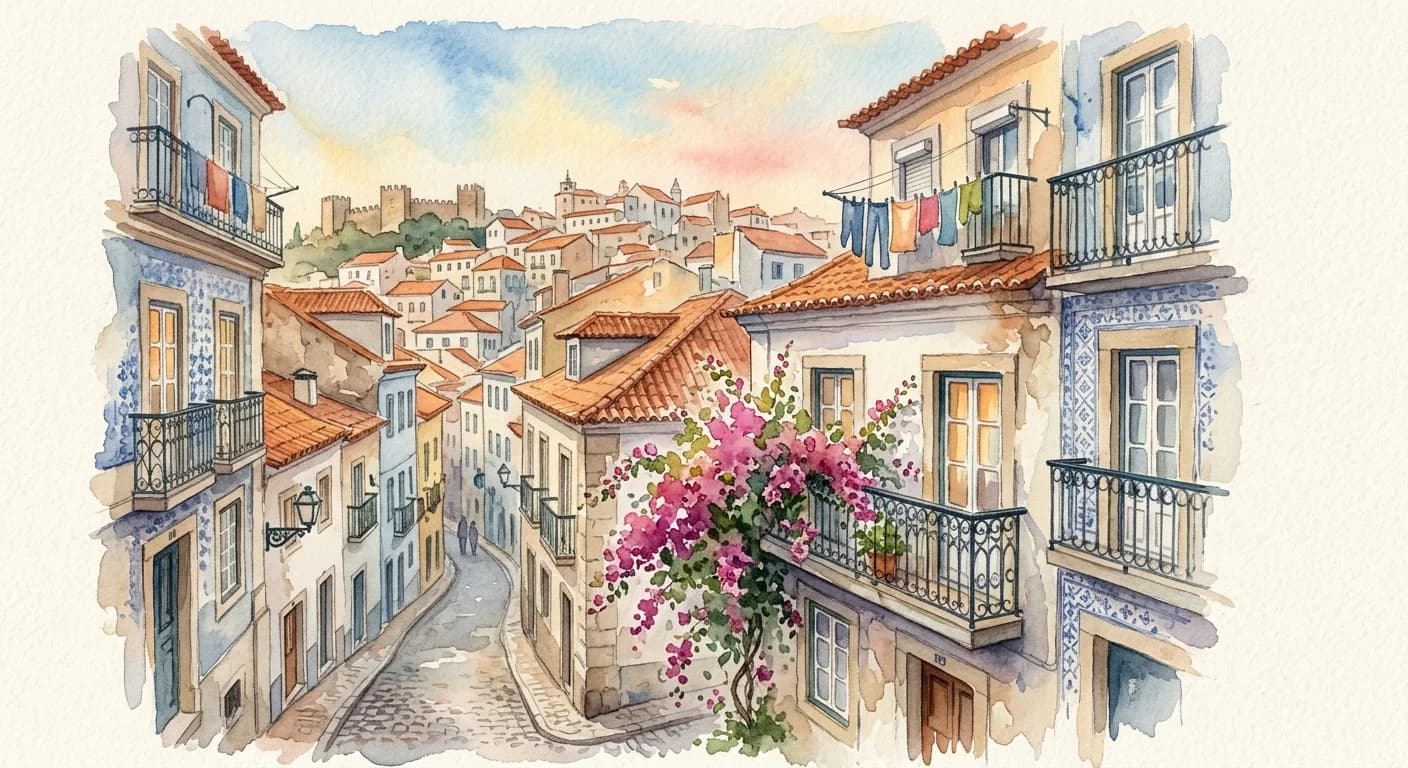
A "bairro" is far more than just a geographical subdivision; it's the beating heart of Portuguese urban life, a vibrant tapestry of shared experiences and generational memory. It embodies a distinct micro-culture, where daily routines are interwoven with neighborly interactions, and the aroma of traditional cooking mingles with the echoes of children's laughter in the streets. This deep-seated sense of community fosters an almost familial bond among residents, making a bairro a true home, rich with its own unique stories and an undeniable collective identity.
Literal Translation
Neighborhood, district
The Story Behind the Word
The concept of "bairro" in Portugal is deeply rooted in its historical urban development, where cities grew organically around central squares, churches, and markets, fostering dense, walkable communities. Unlike the planned, often sprawling neighborhoods of many modern cities, Portuguese bairros emerged from centuries of close-knit social interaction and mutual support, particularly in times of hardship. This historical evolution has imprinted upon the word a profound sense of belonging and solidarity. It reflects a worldview where identity is often tied to one's immediate surroundings and the people within it, emphasizing human connection over mere spatial proximity. The resilience and distinctiveness of each bairro illustrate a pride in local heritage and a preference for intimate, human-scale living, revealing a culture that values community and tradition above individualistic isolation.
Experience It
A Sunday in Alfama
Maria walks through her bairro of Alfama on a Sunday morning, exchanging greetings with the fishmonger, the baker, and three generations of her neighbors. The narrow streets, filled with the scent of grilling sardines and the sound of fado drifting from open windows, feel like an extension of her own home, a place where everyone knows her name and her family's history.
Newcomer's Welcome
When Ana moved into her new apartment, she was initially apprehensive. Within days, however, an elderly neighbor brought her a plate of homemade pastries, another offered help with her shopping, and the local café owner remembered her usual order after just two visits. She quickly realized she wasn't just in a new apartment, but she had been embraced by a new bairro.
The Deeper Meaning
The "bairro" encapsulates a philosophical stance that views human flourishing as intrinsically linked to communal life and a sense of place. It suggests that true well-being comes not just from individual achievement, but from being deeply embedded within a supportive, familiar social fabric. This perspective prioritizes shared history, mutual aid, and the collective memory of a community over the transient nature of modern, anonymous urban living.
Did You Know?
Many Portuguese bairros, especially in older cities like Lisbon and Porto, have their own patron saints and unique festivals, further cementing their distinct identities and community spirit.
How It's Used
Used to refer to a specific neighborhood or district within a city or town, often emphasizing its unique character and community feel.