Badawi
/bah-dah-WEE/
Meaning
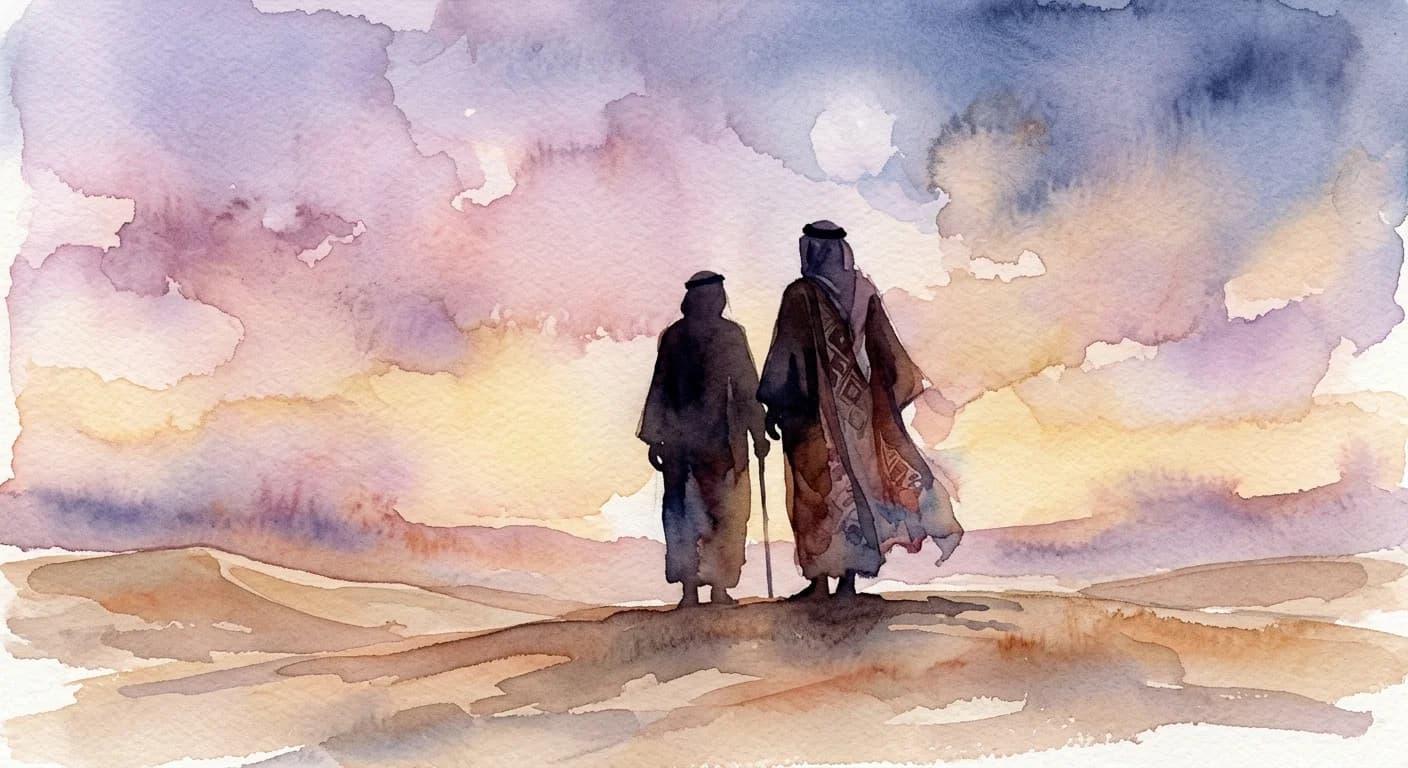
Badawi transcends a simple demographic label; it embodies a profound cultural identity tied to the Arabian desert. It describes a person whose lineage and spirit are intrinsically linked to the nomadic traditions of the Bedouin, characterized by an enduring connection to the land, an unyielding resilience honed by harsh environments, and a deep-seated code of honor and hospitality. This term evokes a romanticized yet genuine respect for ancestral ways of life, often contrasting with the perceived complexities of urban existence.
Literal Translation
Desert dweller
The Story Behind the Word
The word "Badawi" is foundational to understanding Saudi Arabian and broader Arab desert culture. For centuries, Bedouin tribes were the primary inhabitants of the vast Arabian Peninsula, shaping its history, oral traditions, and social structures. Their existence was a constant negotiation with the desert's extremes, fostering values of self-reliance, courage, and an intricate system of tribal law and hospitality crucial for survival in isolation. The concept of 'mahdi' (guidance) and 'karam' (generosity) are deeply embedded in the Badawi ethos, reflecting a philosophy where collective well-being and honor supersede individual gain. This word exists because it signifies not just an origin, but a living heritage—a blueprint for resilience, community, and an unshakeable connection to one's roots in the face of modernity.
Experience It
Honoring a Guest
At a desert encampment, a traveler arrived unannounced. The elder, a true Badawi, immediately ordered a feast, sharing his meager provisions without question. He explained, "To turn away a guest is to dishonor our ancestors; it is the Badawi way."
Navigating the Sands
Lost in a sandstorm, a young man despaired. His grandmother, with the wisdom of a Badawi, pointed to subtle shifts in the dunes and the direction of the wind. "The desert speaks," she said, "you just need to listen with a Badawi heart."
The Deeper Meaning
The Badawi worldview emphasizes a profound interdependence between humanity and nature, particularly the desert. It teaches that true wealth lies not in material possessions, but in resilience, honor, hospitality, and an unbreakable bond with one's community and heritage. This philosophy champions adaptability and a deep understanding of one's environment as keys to survival and a meaningful existence.
Did You Know?
Historically, the camel was not just transport but a measure of wealth and status for the Badawi. A man's ability to navigate the desert, care for his herd, and offer its milk and meat to guests was central to his identity.
How It's Used
Used to refer to people of Bedouin origin or those who adhere to Bedouin customs and traditions, often in a respectful and sometimes romanticized manner. It can also be used as a surname.