U.
HomeRegionsLanguagesEmotionsCollections
Find Your Word

“The limits of my language mean the limits of my world.”

— Ludwig Wittgenstein, Philosopher

Untranslatable

A curated collection of the world's most beautiful expressions—words that remind us language is humanity's greatest invention.

  • Home
  • Collections
  • Regions
  • Countries
  • Emotions
  • Tags
  • Contexts
  • Finder
  • Europe
  • Asia
  • Americas
  • Africa
  • Middle East
  • About
  • Contact
  • Privacy Policy
  • Terms of Service

2026 © Untranslatable. All rights reserved.

    /
    /
    1. Home
    2. /
    3. Asia
    4. /
    5. Bunkasai
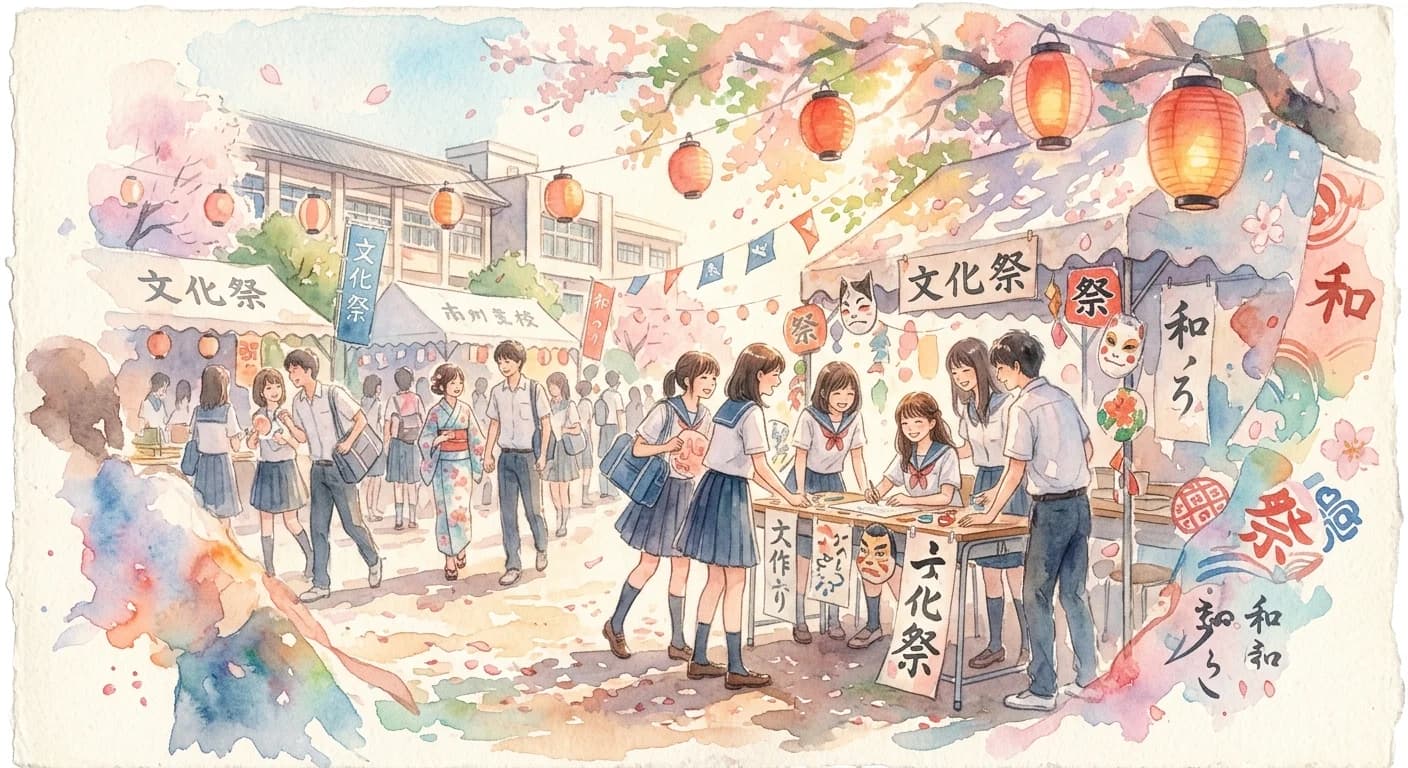
    Artistic representation of Bunkasai
    Japanese•
    🇯🇵Japan

    Bunkasai

    /BOON-kah-sai/

    Meaning

    Bunkasai is far more than just a school event; it's a quintessential rite of passage in Japanese education, a multi-day explosion of student-led creativity and collaborative spirit. From meticulously rehearsed theatrical productions and live music performances to innovative science exhibits and elaborately themed food stalls, students pour their collective energy into showcasing their talents. The atmosphere crackles with a unique blend of friendly competition between classes and clubs, and a profound sense of communal joy and accomplishment, culminating in a cherished and often nostalgic memory of youth.

    Literal Translation

    Culture Festival (文化祭 - bunka + sai)

    The Story Behind the Word

    The bunkasai evolved from post-war educational reforms aimed at fostering democracy, individuality, and community participation among students, moving beyond rote learning. It reflects a deep-seated Japanese cultural value of 'wa' (harmony) and 'ganbaru' (doing one's best with perseverance), as entire classes or clubs meticulously plan and execute complex projects. This collective effort, where individual contributions merge for a greater group success, mirrors the societal emphasis on group cohesion and shared responsibility. The bunkasai reveals a belief that education extends beyond academics, nurturing social skills, leadership, and a sense of belonging.

    Experience It

    Last-Minute Prep

    The night before bunkasai, Kenji and his classmates are frantically putting the finishing touches on their haunted house. Cardboard ghosts are taped, fake spiderwebs are stretched, and the air is thick with nervous excitement and the scent of paint, as they vow to make it the most terrifying attraction.

    Performance Day

    Mei watches from backstage, heart pounding, as her drama club's play, months in the making, begins. The roar of the audience, a mix of fellow students, teachers, and proud parents, fills the auditorium, validating every late-night rehearsal and shared laugh.

    The Deeper Meaning

    Bunkasai embodies the Japanese educational philosophy that holistic development is paramount. It's not just about academic achievement, but about cultivating 'ningen-ryoku' – human capabilities – through practical experience, collaboration, and the shared pursuit of excellence, fostering resilient and socially adept individuals ready to contribute to society.

    Did You Know?

    Some schools even hold 'koukai bunkasai,' open to the general public, transforming the school into a temporary community hub where anyone can experience the students' vibrant creations.

    How It's Used

    Typically used to refer to the annual cultural festival held at a Japanese school, usually in autumn.

    Emotions
    belonging,gratitude,joy
    Contexts
    celebration,education,friendship,work
    🇯🇵Japan

    by Anya Petrova·Written Mar 14, 2026·Updated Apr 3, 2026

    Related Words

    Explore more
    SobremesaSpanish

    Sobremesa is the cherished, often extended period immediately following a meal, particularly lunch or dinner, where diners remain seated at the table to enjoy conversation, coffee, and digest not just the food, but the company itself. It’s a dedicated time for unhurried social bonding, storytelling, and shared laughter, transforming a simple meal into a profound communal experience. Far from just clearing the dishes, sobremesa is an integral part of Spanish social life, often lasting for hours.

    Wabi-sabiJapanese

    Wabi-sabi is the profound appreciation for the ephemeral, the imperfect, and the incomplete aspects of existence. It is about discovering beauty in the subtle textures of age, the unique character of flaws, and the gentle decay that marks the passage of time. This philosophy encourages a quiet acceptance of impermanence and a mindful connection to the natural world, finding elegance in simplicity and authenticity.

    IkigaiJapanese

    Ikigai is more than just a reason to get out of bed; it's a deeply personal and evolving sense of purpose that brings genuine fulfillment and joy to one's life. It represents the sweet spot where your passions, talents, needs of the world, and what you can be paid for beautifully converge. Discovering your ikigai often leads to a life lived with intentionality, resilience, and a profound connection to one's contributions. It's the intrinsic motivation that fuels a meaningful existence, regardless of external circumstances.

    NunchiKorean

    Nunchi is the sophisticated, almost telepathic, ability to instantly grasp the unspoken dynamics of any social situation, anticipating others' thoughts and feelings, and then responding with impeccable grace and timing. It's an acute form of social intuition, allowing one to navigate complex interpersonal landscapes by reading subtle cues like body language, tone, and context. Possessing good nunchi means effortlessly understanding the underlying emotional currents and adjusting one's behavior to maintain harmony and effectiveness, often without a single word exchanged.