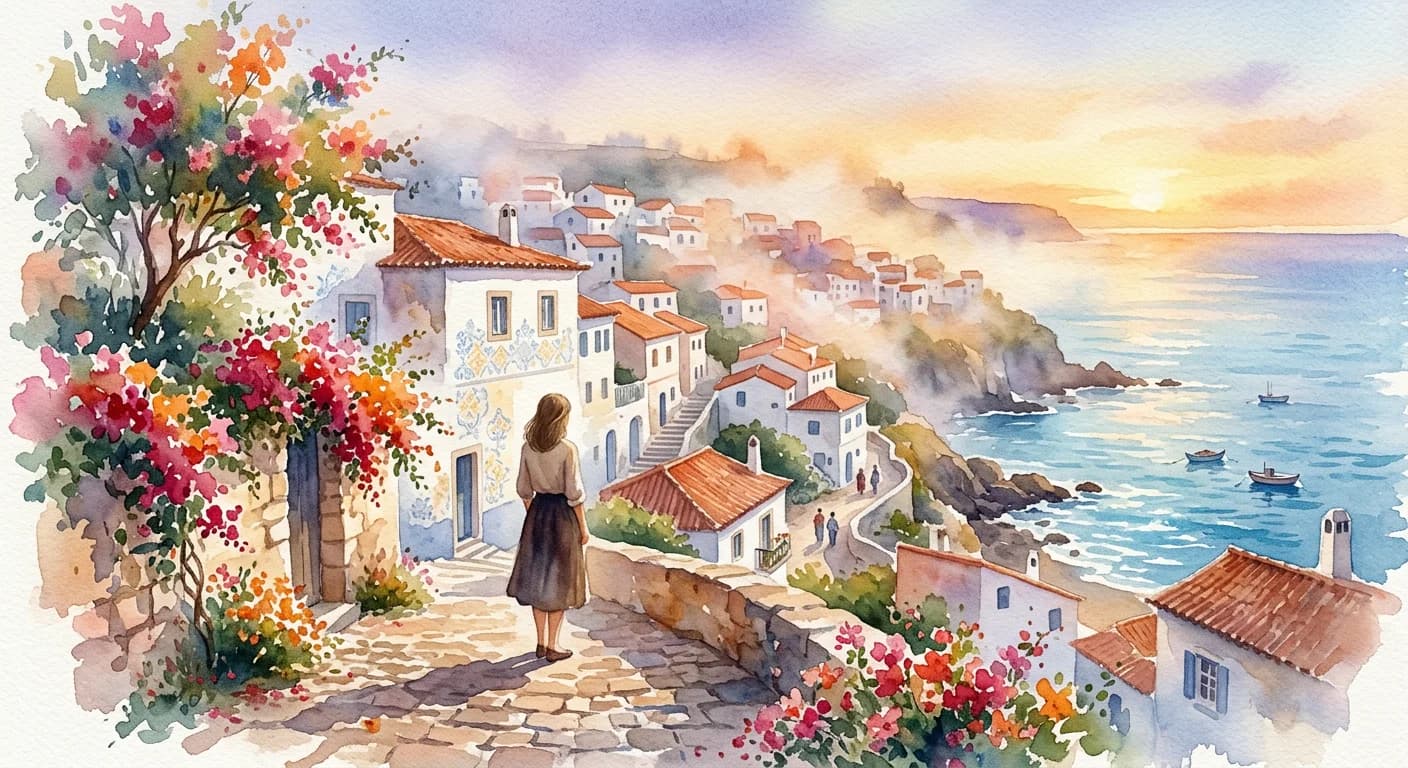
Cantiga
/kah-n-TEE-gah/
Meaning
A "cantiga" is far more than a simple song; it's a living echo of Portuguese and Galician cultural memory, a narrative tapestry woven through verse and melody. These lyrical expressions, often folk-based, capture the spectrum of human experience, from tender romance and poignant laments to boisterous humor and sharp social commentary. Passed down through generations, a cantiga serves as a communal vessel for history, identity, and the enduring spirit of a people, continuously reimagined yet always rooted in tradition.
Literal Translation
Song, lay, ballad
The Story Behind the Word
The "cantiga" is deeply embedded in the historical bedrock of the Iberian Peninsula, with roots tracing back to the medieval troubadour tradition (Cantigas de Santa Maria, Cantigas de Amigo, Cantigas de Escárnio e Mal Dizer). It represents a foundational pillar of Portuguese identity, reflecting a society that valued oral tradition, storytelling, and communal expression. The existence of numerous subgenres reveals a culture that used poetic and musical forms to explore love, religious devotion, social satire, and personal grievances, demonstrating a nuanced understanding of human emotion and societal dynamics. It highlights a world where art wasn't separate from daily life but an integral part of communication, celebration, and lamentation, preserving collective memory and shaping a unique Lusophone worldview.
Experience It
Grandfather's Evening Cantiga
As dusk settles over the village, an elderly grandfather strums his guitar, his voice a gentle rumble. He sings a cantiga recounting tales of forgotten heroes and ancient loves, his grandchildren gathered around, mesmerized, absorbing the stories that shaped their family's past.
Harvest Festival Cantiga
During the annual harvest festival, villagers link arms, swaying to the lively rhythm of an old cantiga. Its lyrics, full of playful banter and good-natured teasing about local quirks, spark laughter and strengthen community bonds, celebrating both the bounty of the land and their shared heritage.
The Deeper Meaning
The enduring presence of the cantiga reflects a profound cultural philosophy where memory, identity, and emotional expression are intrinsically linked to shared narratives and musicality. It underscores the belief that individual and collective history is best preserved and understood through artistic forms that resonate deeply, fostering a sense of belonging and continuity across generations. It suggests a world where wisdom and truth are often conveyed not through dogma, but through the evocative power of story and song.
Did You Know?
The medieval 'Cantigas de Santa Maria' is one of the largest collections of monophonic songs from the Middle Ages, with over 400 cantigas dedicated to the Virgin Mary, offering a unique glimpse into medieval devotion and musicality.
How It's Used
Used to refer to a song, poem, ballad, or any lyrical piece of music or poetry, particularly in traditional and folk contexts.