U.
HomeRegionsLanguagesEmotionsCollections
Find Your Word

“The limits of my language mean the limits of my world.”

— Ludwig Wittgenstein, Philosopher

Untranslatable

A curated collection of the world's most beautiful expressions—words that remind us language is humanity's greatest invention.

  • Home
  • Collections
  • Regions
  • Countries
  • Emotions
  • Tags
  • Contexts
  • Finder
  • Europe
  • Asia
  • Americas
  • Africa
  • Middle East
  • About
  • Contact
  • Privacy Policy
  • Terms of Service

2026 © Untranslatable. All rights reserved.

    /
    /
    1. Home
    2. /
    3. Europe
    4. /
    5. Carneiro
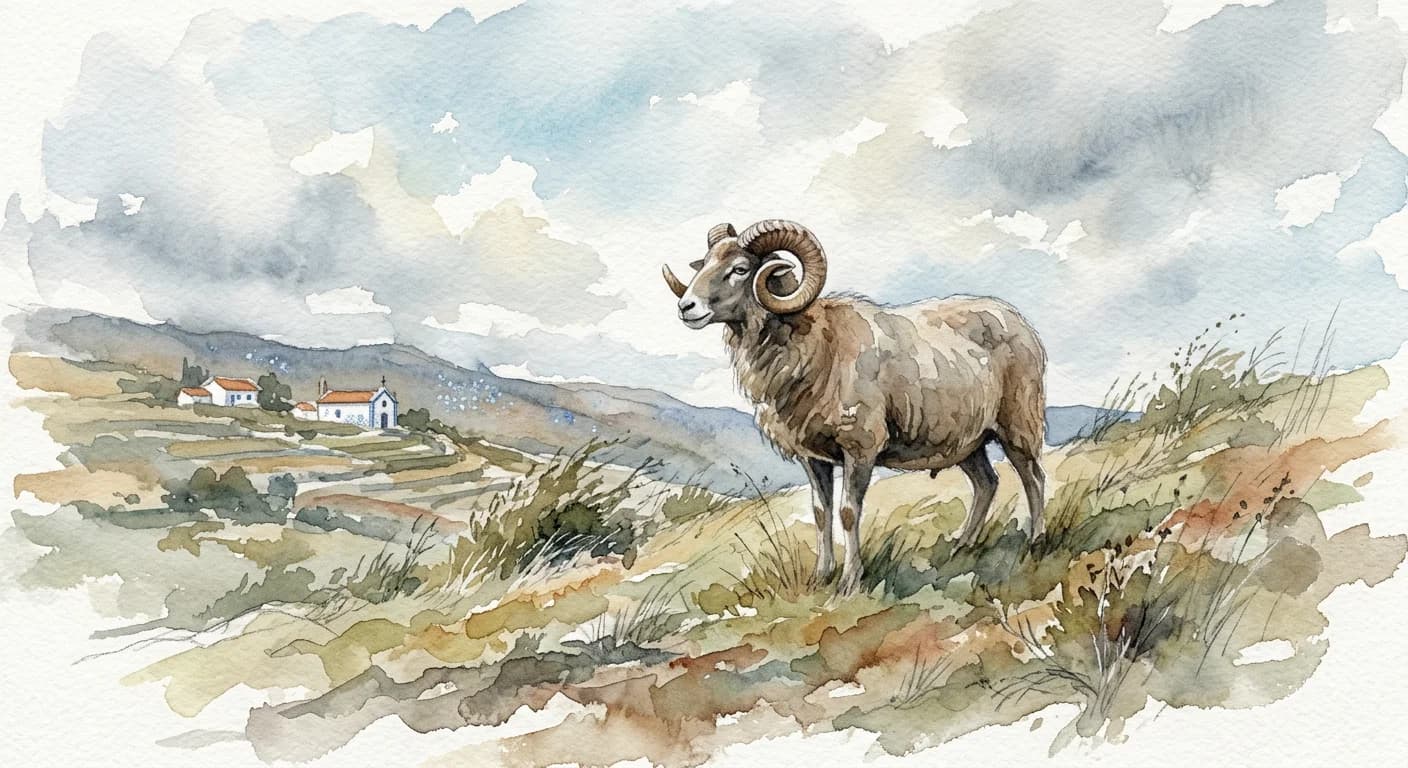
    Artistic representation of Carneiro
    Portuguese•
    🇦🇴Angola🇧🇷Brazil🇨🇻Cape Verde🇬🇼Guinea-Bissau🇲🇿Mozambique🇵🇹Portugal🇸🇹São Tomé and Príncipe🇹🇱Timor-Leste

    Carneiro

    /kar-NAY-roo/

    Meaning

    Beyond its literal translation as 'ram,' "Carneiro" in Portuguese evokes a deeper cultural tapestry. It refers specifically to the male sheep, often castrated, embodying a complex symbolism of strength, stubbornness, and a quiet, enduring nature. The word is woven into the fabric of Portuguese language and tradition, frequently appearing in proverbs, astrological contexts, and folk narratives, hinting at a creature both powerful and, at times, destined for sacrifice, echoing ancient pastoral life and biblical undertones.

    Literal Translation

    Ram

    The Story Behind the Word

    The enduring presence of "Carneiro" in Portuguese culture reflects a historical intimacy with pastoral life and the profound influence of Judeo-Christian traditions. Sheep, and particularly rams, were central to agriculture, sustenance, and religious rituals for millennia across the Iberian Peninsula. This deep-seated connection elevated the ram beyond mere livestock, transforming it into a potent symbol. Its stubbornness became a metaphor for unyielding resolve, while its role in sacrifice, particularly the 'Cordeiro de Deus' (Lamb of God), imbued it with spiritual significance. The word's persistence in the zodiac as 'Signo de Carneiro' (Aries) further anchors it in a cosmic understanding of human traits, suggesting how ancient observations of nature shaped the Portuguese worldview, where animal characteristics often mirrored human destiny and virtue.

    Experience It

    Stubborn as a Ram

    During the family debate, João refused to change his mind, even when presented with new evidence. His aunt sighed, saying, 'És teimoso como um carneiro!' (You're as stubborn as a ram!), a common expression for his unyielding nature.

    The Aries Spirit

    Mariana, born in March, always embraced new challenges head-on, often leading the way with fierce determination. Her friends would often comment, 'Bem se vê que és do Signo de Carneiro!' (It's clear you're an Aries!), attributing her pioneering spirit to her zodiac sign.

    The Deeper Meaning

    The word "Carneiro" subtly reveals a worldview that values resilience and acknowledges the dualities of nature. It suggests that strength can be found in stoicism and that even creatures destined for a specific role possess an inherent dignity. This perspective highlights a cultural understanding where the natural world provides not just resources, but also profound metaphors for human character and fate.

    Did You Know?

    Did you know that in Portuguese, a 'carneiro' can also refer to a specific type of funerary monument, a stone chest or sarcophagus, further linking the word to concepts of sacrifice and enduring structures?

    How It's Used

    The word is used in its literal sense to refer to a ram. It also appears in idiomatic expressions and cultural references, such as the zodiac sign Aries (Signo de Carneiro).

    Emotion
    resilience
    Contexts
    cultural identity,daily life,nature
    🇦🇴Angola🇧🇷Brazil🇨🇻Cape Verde🇬🇼Guinea-Bissau🇲🇿Mozambique🇵🇹Portugal🇸🇹São Tomé and Príncipe🇹🇱Timor-Leste

    by Anya Petrova·Written Mar 14, 2026·Updated Apr 3, 2026

    Related Words

    Explore more
    HyggeDanish

    Hygge is more than mere coziness; it's a holistic embrace of comfort, warmth, and belonging that nourishes the soul. It describes the intentional creation of an intimate atmosphere where simple pleasures, genuine connection, and mindful presence converge, fostering a profound sense of contentment and well-being. It's about finding joy and peace in the small, everyday moments, often shared with loved ones.

    SaudadePortuguese

    Saudade encapsulates a profound, melancholic longing for something or someone cherished that is absent, often with the bittersweet knowledge that it may never return. It's a deep emotional state tinged with nostalgia, evoking a sense of loss for past experiences, places, or people, yet also holding a tender appreciation for the beauty of what once was. This yearning is not merely sadness, but a complex tapestry of desire, memory, and a poignant acceptance of absence, holding the beloved in a warm, persistent embrace within the heart.

    GezelligDutch

    Gezellig encapsulates a profound sense of warmth, belonging, and convivial comfort, extending beyond mere coziness to embrace the social and emotional atmosphere. It's the feeling of being truly at ease, surrounded by good company, laughter, and a shared sense of contentment. This untranslatable term describes not just a physical space, but a holistic experience where time seems to slow down, fostering genuine connection and a deep sense of well-being.

    Dolce far nienteItalian

    Dolce far niente captures the profound joy and effortless pleasure derived from simply existing without obligation or purpose. It's the art of savoring moments of pure, unadulterated idleness – lying in the sun, watching the clouds drift, or enjoying a leisurely coffee – not as a break from work, but as a valuable state in itself. This 'sweetness of doing nothing' is a conscious embrace of stillness and contentment, allowing the soul to breathe and the senses to fully engage with the present.