Costumbre
/kohs-TOOM-breh/
Meaning
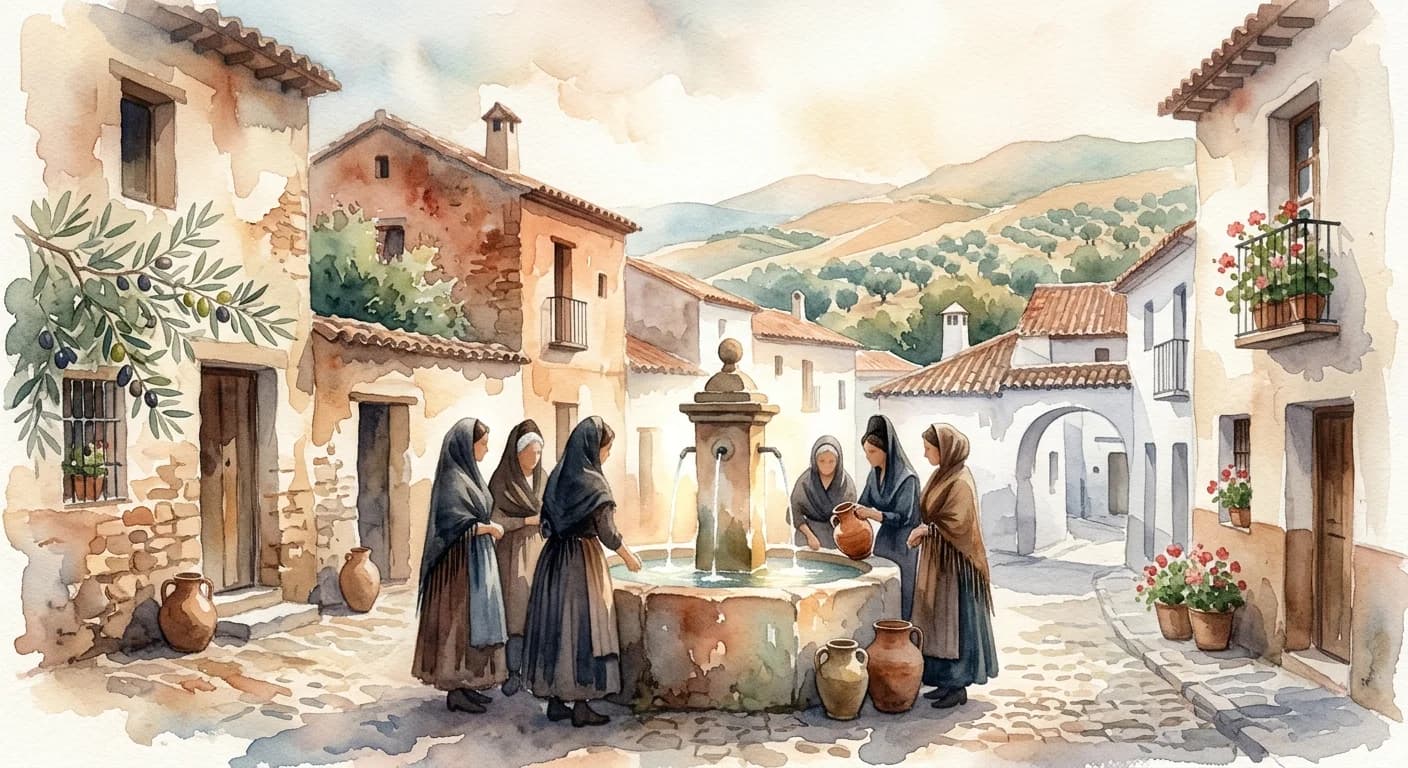
Costumbre transcends a mere 'custom' or 'habit'; it is the very soul of a community, embodying the deeply ingrained, often subconscious, patterns of behavior, thought, and feeling passed down through generations. It fosters a powerful sense of shared identity and belonging, representing the collective spirit that dictates daily life and social interactions. This term illuminates tradition not as rigid ritual, but as the living, breathing fabric that shapes how individuals perceive the world and relate to one another.
Literal Translation
Custom, habit
The Story Behind the Word
The concept of "costumbre" is deeply woven into the fabric of Spanish and Hispanic cultures, reflecting a communal rather than purely individualistic worldview. Historically, in societies where oral traditions and close-knit communities were paramount, the transmission of "costumbres" ensured social cohesion and survival. It underscores a reverence for the past and the wisdom of ancestors, suggesting that established ways of doing things hold inherent value. This word reveals a world where identity is largely communal, and individual actions are often understood within the context of collective norms and expectations. It's not just about what one *does*, but what one *is* as part of a larger group, maintaining a sense of continuity and shared heritage.
Experience It
Sunday Family Lunch
Every Sunday, the extended Jiménez family gathers at their grandmother's house for a long, boisterous lunch. This isn't just a meal; it's a deeply cherished 'costumbre,' a weekly ritual of connection, storytelling, and shared joy that reinforces their family bonds and identity, passed down for generations.
Afternoon Siesta
In many Spanish towns, businesses close for a few hours in the afternoon. While often misunderstood as pure laziness, this 'costumbre' reflects a cultural rhythm adapted to the climate and a valuing of rest and family time during the hottest part of the day, a practice embedded in the daily fabric of life.
The Deeper Meaning
The word "costumbre" highlights a philosophy where identity is largely relational and historically grounded. It suggests that human existence is not merely individualistic but deeply embedded in a collective heritage, shaping our present and guiding our future. It emphasizes the wisdom inherent in inherited practices and the importance of continuity for cultural coherence and belonging, valuing the 'we' over the 'I' in many aspects of life.
Did You Know?
In some rural areas of Spain, "costumbre" can even refer to unwritten laws or traditional rights that are legally recognized, demonstrating its profound influence beyond mere social habits.
How It's Used
Used to refer to traditional practices, habits, or social norms within a specific culture or community. It can describe anything from daily routines to significant cultural events and ceremonies.