U.
HomeRegionsLanguagesEmotionsCollections
Find Your Word

“The limits of my language mean the limits of my world.”

— Ludwig Wittgenstein, Philosopher

Untranslatable

A curated collection of the world's most beautiful expressions—words that remind us language is humanity's greatest invention.

  • Home
  • Collections
  • Regions
  • Countries
  • Emotions
  • Tags
  • Contexts
  • Finder
  • Europe
  • Asia
  • Americas
  • Africa
  • Middle East
  • About
  • Contact
  • Privacy Policy
  • Terms of Service

2026 © Untranslatable. All rights reserved.

    /
    /
    1. Home
    2. /
    3. Africa
    4. /
    5. Abacost
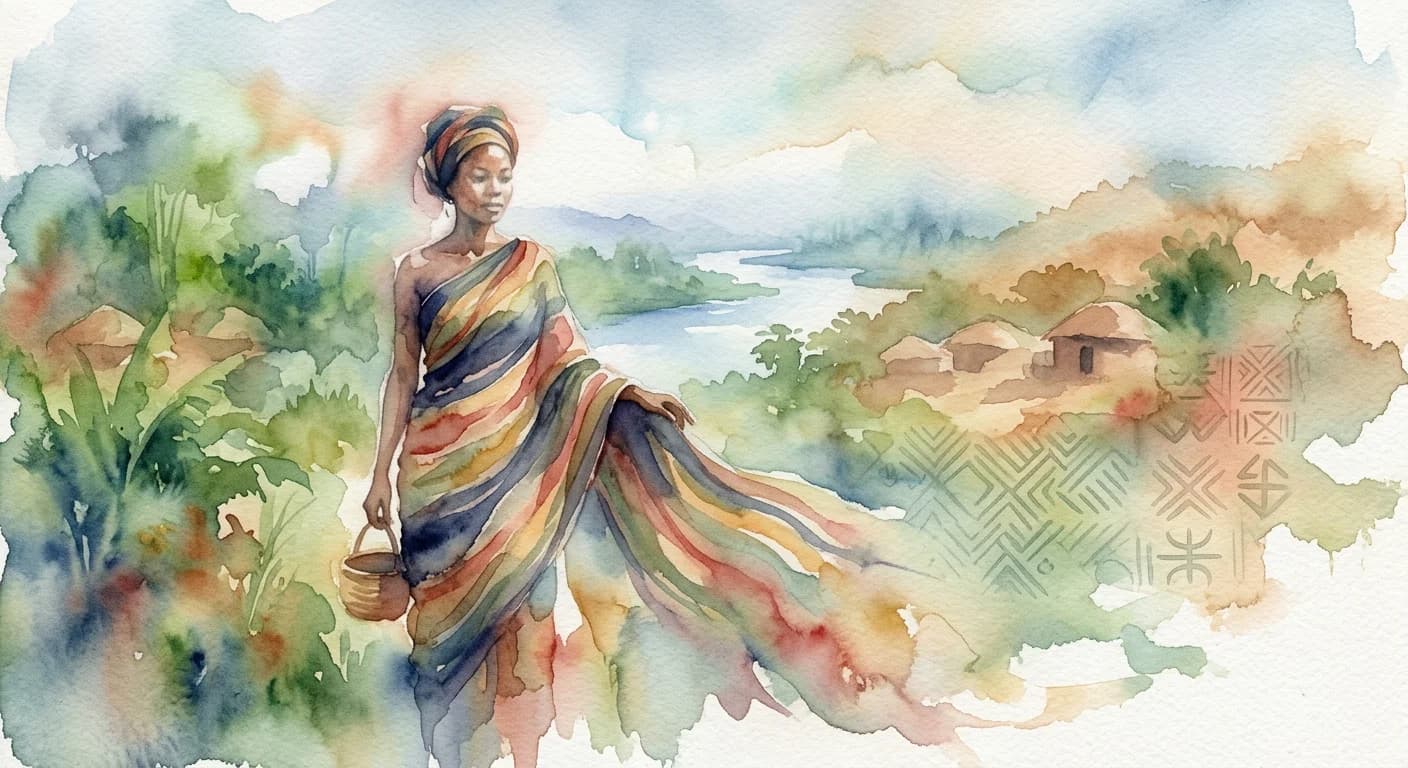
    Artistic representation of Abacost
    Lingala•
    🇨🇩Democratic Republic of the Congo🇨🇬Republic of the Congo

    Abacost

    /ah-bah-COHST/

    Meaning

    Abacost refers to a vibrant, striped cotton fabric that is a cornerstone of Central African fashion, particularly in the Democratic Republic of the Congo. More than just a material, 'abacost' embodies a style and a cultural statement, frequently fashioned into everyday shirts, dresses, and traditional attire. Its distinctive patterns and durable texture make it instantly recognizable, symbolizing a tangible connection to local identity and the region's rich sartorial heritage.

    Literal Translation

    The term 'Abacost' itself doesn't have a direct literal translation beyond referring to the fabric. Its origin is likely rooted in a Lingala word or phrase describing the material.

    The Story Behind the Word

    The term 'abacost' itself is a fascinating linguistic blend, derived from the French 'à bas le costume' meaning 'down with the suit.' This phrase was famously popularized during the Mobutu Sese Seko era in Zaire (now DRC) as part of his 'Authenticité' policy in the 1970s. Mobutu encouraged Zairians to shed Western attire like suits and ties in favor of more 'authentic' African clothing. The 'abacost' garment, a collarless, short-sleeved jacket worn without a tie, became the prescribed national dress for men. While the specific garment's political mandate faded, the term 'abacost' evolved to describe the distinctive striped cotton fabric that was often used for these and other local garments. It represents a historical moment of cultural assertion and a rejection of colonial sartorial norms, celebrating a unique Congolese aesthetic.

    Experience It

    Market Day Attire

    Mama Ngozi carefully selected several meters of bright yellow and green abacost fabric at the bustling Kinshasa market. She envisioned a new dress for Sunday service, its bold stripes reflecting her vibrant spirit and connection to local tradition.

    A Gift from Home

    Far from home, Jean-Luc proudly wore his abacost shirt, a gift from his aunt in Lubumbashi. The familiar feel of the striped cotton and its distinctive pattern instantly brought back memories of family gatherings and the vibrant streets of his childhood.

    The Deeper Meaning

    The evolution of 'abacost' from a political decree to a widely recognized fabric speaks to the resilience of cultural identity and the power of everyday objects to carry historical weight. It embodies a philosophy of self-determination, where clothing becomes a canvas for national pride and a subtle, yet potent, rejection of external influences, favoring instead a celebration of indigenous aesthetics and materials.

    Did You Know?

    The word 'abacost' originally referred to a specific type of tunic-like garment promoted by President Mobutu in Zaire, as a rejection of Western suits, before evolving to describe the fabric itself.

    How It's Used

    Used to refer to a specific type of striped cotton fabric, commonly found in Central Africa, and the clothing made from it.

    Emotions
    belonging,comfort,warmth
    Contexts
    daily life,dining,family
    🇨🇩Democratic Republic of the Congo🇨🇬Republic of the Congo

    by Anya Petrova·Written Mar 14, 2026·Updated Apr 3, 2026

    Related Words

    Explore more
    GezelligDutch

    Gezellig encapsulates a profound sense of warmth, belonging, and convivial comfort, extending beyond mere coziness to embrace the social and emotional atmosphere. It's the feeling of being truly at ease, surrounded by good company, laughter, and a shared sense of contentment. This untranslatable term describes not just a physical space, but a holistic experience where time seems to slow down, fostering genuine connection and a deep sense of well-being.

    SobremesaSpanish

    Sobremesa is the cherished, often extended period immediately following a meal, particularly lunch or dinner, where diners remain seated at the table to enjoy conversation, coffee, and digest not just the food, but the company itself. It’s a dedicated time for unhurried social bonding, storytelling, and shared laughter, transforming a simple meal into a profound communal experience. Far from just clearing the dishes, sobremesa is an integral part of Spanish social life, often lasting for hours.

    UbuntuZulu/Xhosa

    Ubuntu is a profound African philosophy that translates to 'I am because we are,' signifying that an individual's humanity is inextricably linked to the humanity of others. It embodies the belief that our existence and well-being are deeply intertwined with the community. This concept emphasizes compassion, reciprocity, dignity, and the understanding that true fulfillment is found not in isolation, but through collective flourishing and mutual support. It's a call to recognize and affirm the humanity in everyone, fostering a sense of interconnectedness.

    SamfundssindDanish

    Samfundssind is the profound, almost spiritual, commitment to the collective good that transcends individual desires. It's a deeply ingrained societal ethos where citizens instinctively understand their role in maintaining the health and harmony of the community, especially during challenges. This isn't just about following rules; it's an active, empathic engagement with society's needs, fostering a powerful sense of shared destiny and mutual care that underpins Danish social cohesion.