U.
HomeRegionsLanguagesEmotionsCollections
Find Your Word

“The limits of my language mean the limits of my world.”

— Ludwig Wittgenstein, Philosopher

Untranslatable

A curated collection of the world's most beautiful expressions—words that remind us language is humanity's greatest invention.

  • Home
  • Collections
  • Regions
  • Countries
  • Emotions
  • Tags
  • Contexts
  • Finder
  • Europe
  • Asia
  • Americas
  • Africa
  • Middle East
  • About
  • Contact
  • Privacy Policy
  • Terms of Service

2026 © Untranslatable. All rights reserved.

    /
    /
    1. Home
    2. /
    3. Africa
    4. /
    5. Adamu
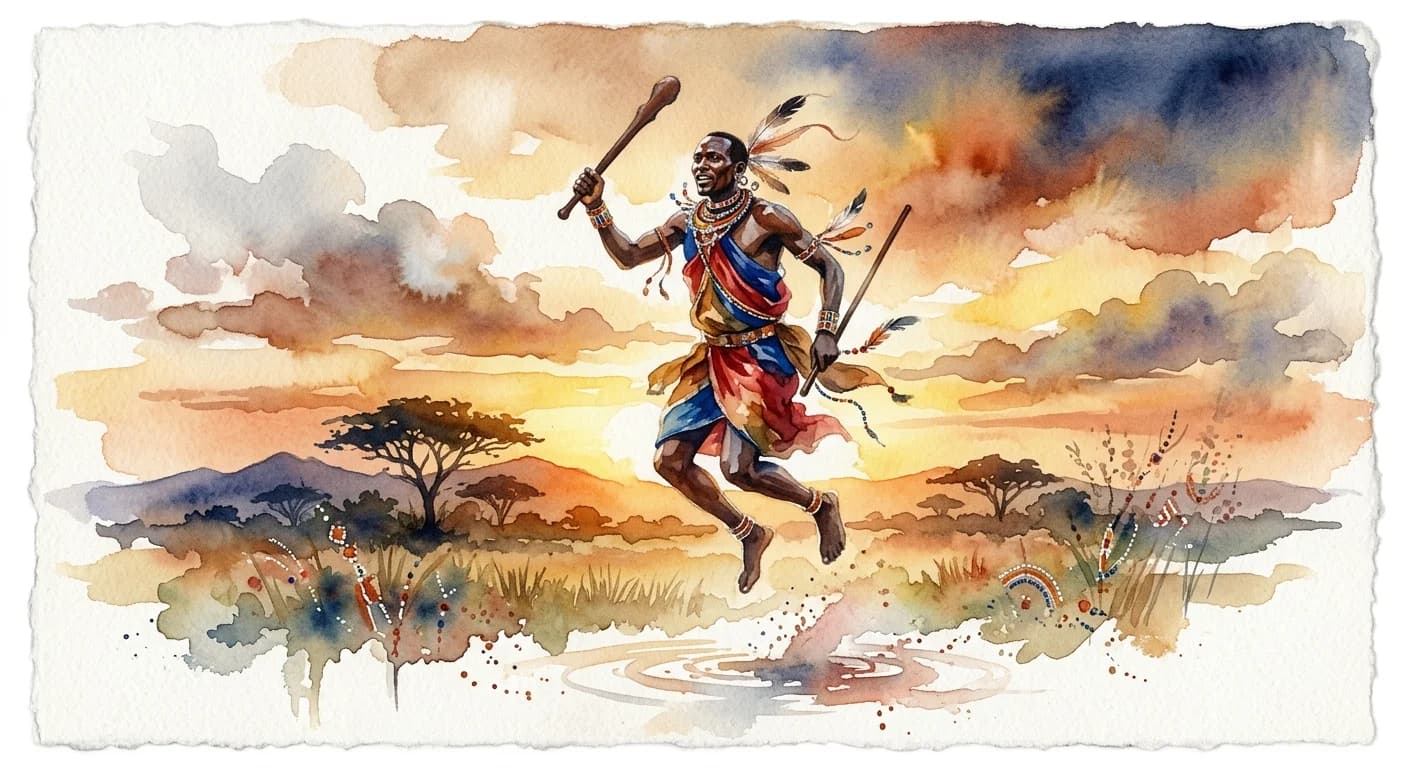
    Artistic representation of Adamu
    Maasai•
    🇰🇪Kenya🇹🇿Tanzania

    Adamu

    /AH-dah-moo/

    Meaning

    In Maasai culture, 'Adamu' is the electrifying, traditional dance performed by young men, a spectacle of impressive vertical leaps and resounding rhythmic stomping. Far beyond a mere physical display, it is a profound expression of strength, vitality, and the unyielding warrior spirit that defines Maasai manhood. This dynamic dance serves as a crucial rite of passage, allowing young men to demonstrate their readiness for adulthood and their deep, unbroken connection to ancestral traditions, thereby embodying a powerful sense of pride and cultural identity.

    Literal Translation

    Man (in some related Bantu languages, though in Maasai it refers to the dance)

    The Story Behind the Word

    The 'Adamu' dance is inextricably linked to the Maasai age-set system, a foundational structure of their society that guides individuals through distinct stages of life. Historically, the dance was a vital component of warrior training and celebration, honing physical prowess and fostering group cohesion. It reflects the Maasai reverence for cattle, with the dancers' vertical leaps sometimes likened to the graceful springing of a healthy calf, and their resilience mirroring the strength needed to protect their herds. This word exists because it encapsulates not just a performance, but a living tradition that reinforces social bonds, celebrates masculinity, and preserves the cultural narratives of a people deeply connected to their land and heritage. It reveals a worldview where strength, community, and tradition are paramount virtues, visibly expressed through the body.

    Experience It

    Moran's Initiation Ceremony

    Under the vast Kenyan sky, newly initiated Maasai morans (warriors) gathered, their red shukas brilliant against the green. As the drumming intensified, one young man, Ole Kulei, sprang into the air with an exhilarating 'Adamu,' his body a testament to years of training, earning cheers and ululations from the elders and women.

    Village Celebration

    At a vibrant village celebration marking a successful harvest, the air thrummed with excitement. Young men, eager to impress, took turns performing the 'Adamu.' Each leap was higher, each stomp more powerful than the last, a joyful competition that unified the community in shared cultural pride and exhilaration.

    The Deeper Meaning

    The 'Adamu' embodies a philosophy where physical prowess is intrinsically linked to moral character and social responsibility. It suggests that strength is not just for dominance but for protection, community building, and the perpetuation of cultural values. The dance is a moving testament to the idea that tradition is not static, but a dynamic, lived experience passed down and revitalized through vigorous participation and communal expression.

    Did You Know?

    The height of an 'Adamu' leap is a significant measure of a warrior's strength and agility, often determining his standing among his peers and even his desirability to potential brides.

    How It's Used

    Performed by Maasai warriors, often during ceremonies, celebrations, and cultural events, as a display of strength and agility.

    Emotions
    belonging,pride,resilience
    Contexts
    celebration,cultural identity,greeting
    🇰🇪Kenya🇹🇿Tanzania

    by Annelise Dubois·Written Mar 14, 2026·Updated Apr 3, 2026

    Related Words

    Explore more
    SobremesaSpanish

    Sobremesa is the cherished, often extended period immediately following a meal, particularly lunch or dinner, where diners remain seated at the table to enjoy conversation, coffee, and digest not just the food, but the company itself. It’s a dedicated time for unhurried social bonding, storytelling, and shared laughter, transforming a simple meal into a profound communal experience. Far from just clearing the dishes, sobremesa is an integral part of Spanish social life, often lasting for hours.

    JugaadHindi

    Jugaad is more than just a quick fix; it embodies the spirit of resourceful, ingenious improvisation in the face of scarcity or systemic challenges. It's the art of bending rules, repurposing materials, and thinking outside the box to achieve a desired outcome, often with limited financial or technological resources. This approach celebrates clever workarounds and innovative adaptations, turning constraints into catalysts for creative problem-solving. It's about making do and making something work, brilliantly.

    SisuFinnish

    Sisu embodies a profound inner fortitude, an unwavering resolve that manifests as extraordinary determination and courage, particularly when facing seemingly insurmountable obstacles. It’s the deep-seated grit to persevere against all odds, to push through physical and mental exhaustion, and to maintain an unyielding spirit even when defeat appears inevitable. Sisu is not a fleeting burst of bravery, but a sustained, quiet resilience that compels one to act and endure when all rational hope is lost, drawing on an almost primal wellspring of strength.

    UbuntuZulu/Xhosa

    Ubuntu is a profound African philosophy that translates to 'I am because we are,' signifying that an individual's humanity is inextricably linked to the humanity of others. It embodies the belief that our existence and well-being are deeply intertwined with the community. This concept emphasizes compassion, reciprocity, dignity, and the understanding that true fulfillment is found not in isolation, but through collective flourishing and mutual support. It's a call to recognize and affirm the humanity in everyone, fostering a sense of interconnectedness.