U.
HomeRegionsLanguagesEmotionsCollections
Find Your Word

“The limits of my language mean the limits of my world.”

— Ludwig Wittgenstein, Philosopher

Untranslatable

A curated collection of the world's most beautiful expressions—words that remind us language is humanity's greatest invention.

  • Home
  • Collections
  • Regions
  • Countries
  • Emotions
  • Tags
  • Contexts
  • Finder
  • Europe
  • Asia
  • Americas
  • Africa
  • Middle East
  • About
  • Contact
  • Privacy Policy
  • Terms of Service

2026 © Untranslatable. All rights reserved.

    /
    /
    1. Home
    2. /
    3. Asia
    4. /
    5. Akogare
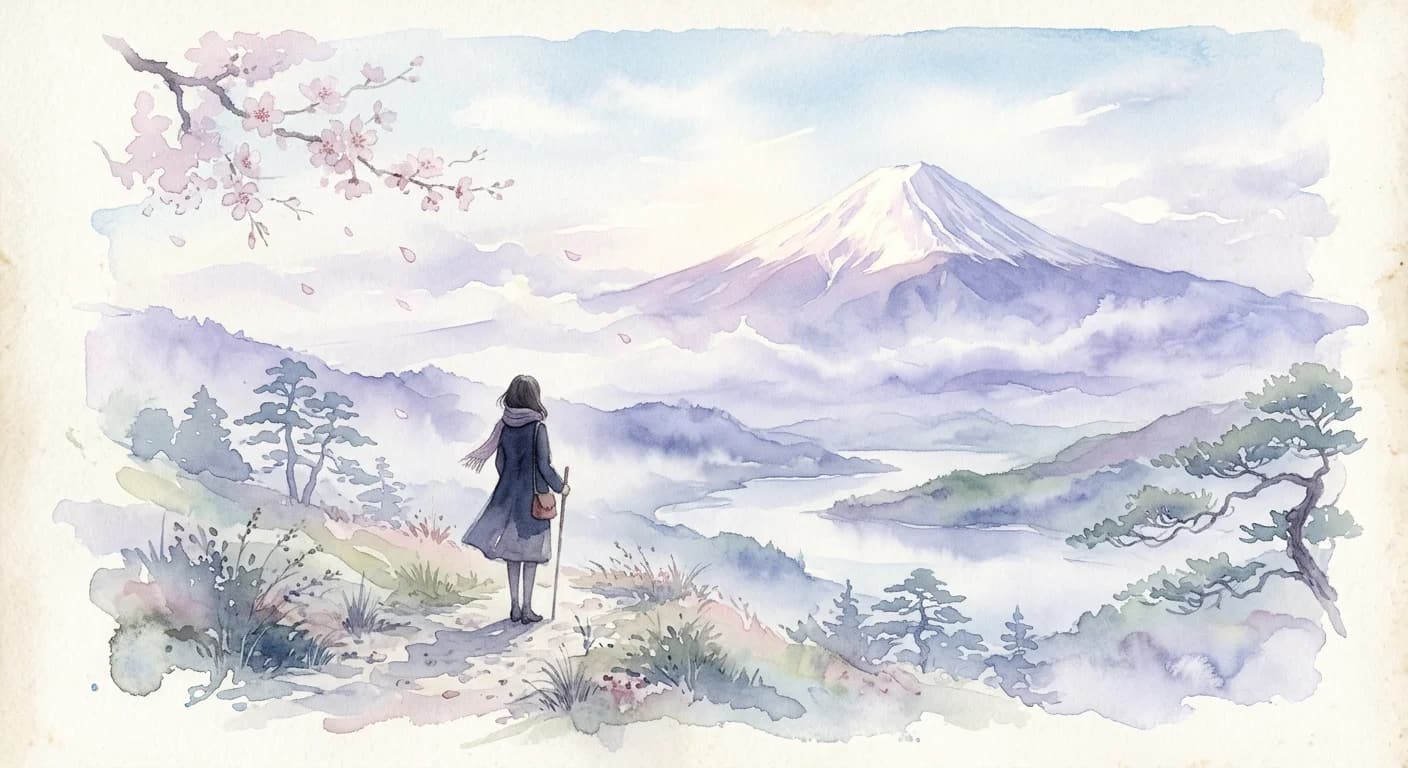
    Artistic representation of Akogare
    Japanese•
    🇯🇵Japan

    Akogare

    /ah-koh-gah-reh/

    Meaning

    Akogare is a profound, often poignant yearning for an ideal or entity that feels just beyond one's grasp. It's not merely admiration or desire, but a persistent, almost romanticized longing for someone or something perceived as perfect, distant, or even unattainable. This emotion is frequently tinged with a delicate melancholy, a recognition that while the object of "akogare" inspires and elevates, it may forever remain an aspiration rather than a tangible reality, shaping one's dreams and motivations.

    Literal Translation

    yearning, longing, aspiration

    The Story Behind the Word

    The existence of 'akogare' in the Japanese lexicon reveals a cultural inclination towards appreciating beauty, striving for ideals, and acknowledging the bittersweet nature of human aspiration. Rooted in concepts like 'mono no aware' (the pathos of things) and the appreciation of impermanence, 'akogare' often reflects a desire for a state of being, an artistic mastery, or a personal quality that embodies perfection. It speaks to a worldview where the journey towards an ideal, even if never fully reached, is inherently valuable and spiritually enriching. This emotional complexity is frequently explored in traditional poetry, literature, and even modern popular culture, highlighting a society that values deep emotional introspection and the pursuit of excellence, even when faced with inherent limitations.

    Experience It

    Musician's Distant Idol

    A young guitarist spends hours practicing, watching videos of a legendary, reclusive musician. She knows she may never meet him or achieve his level of artistry, yet his music and persona are her 'akogare,' fueling her dedication with a mix of inspiration and wistful longing.

    Childhood Dream Home

    An elderly woman often gazes at a beautifully preserved traditional Japanese house in her neighborhood. It was the home of a kind sensei she admired in her youth. Though she lives comfortably, that house remains her 'akogare,' a symbol of a graceful life and a cherished past she can never reclaim.

    The Deeper Meaning

    Akogare reflects a philosophical acceptance of life's inherent gaps between aspiration and reality. It suggests that true fulfillment isn't solely in possession, but in the sustained act of yearning and striving. This word highlights a worldview that finds beauty and meaning in the pursuit of ideals, even if those ideals remain perpetually out of reach, shaping one's character and direction. It underscores the value of inspiration as a life force itself.

    Did You Know?

    Akogare is so deeply ingrained that 'akogare no hito' (person of yearning/admiration) is a common phrase, signifying someone held in exceptionally high regard, often a role model.

    How It's Used

    Used to express a strong desire or admiration for someone or something that is out of reach or idealized, often with a sense of wistfulness.

    Emotions
    hope,longing,melancholy,wonder
    Contexts
    daily life,romance,travel
    🇯🇵Japan

    by Annelise Dubois·Written Mar 14, 2026·Updated Apr 3, 2026

    Related Words

    Explore more
    SaudadePortuguese

    Saudade encapsulates a profound, melancholic longing for something or someone cherished that is absent, often with the bittersweet knowledge that it may never return. It's a deep emotional state tinged with nostalgia, evoking a sense of loss for past experiences, places, or people, yet also holding a tender appreciation for the beauty of what once was. This yearning is not merely sadness, but a complex tapestry of desire, memory, and a poignant acceptance of absence, holding the beloved in a warm, persistent embrace within the heart.

    Wabi-sabiJapanese

    Wabi-sabi is the profound appreciation for the ephemeral, the imperfect, and the incomplete aspects of existence. It is about discovering beauty in the subtle textures of age, the unique character of flaws, and the gentle decay that marks the passage of time. This philosophy encourages a quiet acceptance of impermanence and a mindful connection to the natural world, finding elegance in simplicity and authenticity.

    IkigaiJapanese

    Ikigai is more than just a reason to get out of bed; it's a deeply personal and evolving sense of purpose that brings genuine fulfillment and joy to one's life. It represents the sweet spot where your passions, talents, needs of the world, and what you can be paid for beautifully converge. Discovering your ikigai often leads to a life lived with intentionality, resilience, and a profound connection to one's contributions. It's the intrinsic motivation that fuels a meaningful existence, regardless of external circumstances.

    NunchiKorean

    Nunchi is the sophisticated, almost telepathic, ability to instantly grasp the unspoken dynamics of any social situation, anticipating others' thoughts and feelings, and then responding with impeccable grace and timing. It's an acute form of social intuition, allowing one to navigate complex interpersonal landscapes by reading subtle cues like body language, tone, and context. Possessing good nunchi means effortlessly understanding the underlying emotional currents and adjusting one's behavior to maintain harmony and effectiveness, often without a single word exchanged.