U.
HomeRegionsLanguagesEmotionsCollections
Find Your Word

“The limits of my language mean the limits of my world.”

— Ludwig Wittgenstein, Philosopher

Untranslatable

A curated collection of the world's most beautiful expressions—words that remind us language is humanity's greatest invention.

  • Home
  • Collections
  • Regions
  • Countries
  • Emotions
  • Tags
  • Contexts
  • Finder
  • Europe
  • Asia
  • Americas
  • Africa
  • Middle East
  • About
  • Contact
  • Privacy Policy
  • Terms of Service

2026 © Untranslatable. All rights reserved.

    /
    /
    1. Home
    2. /
    3. Americas
    4. /
    5. Alebrijes
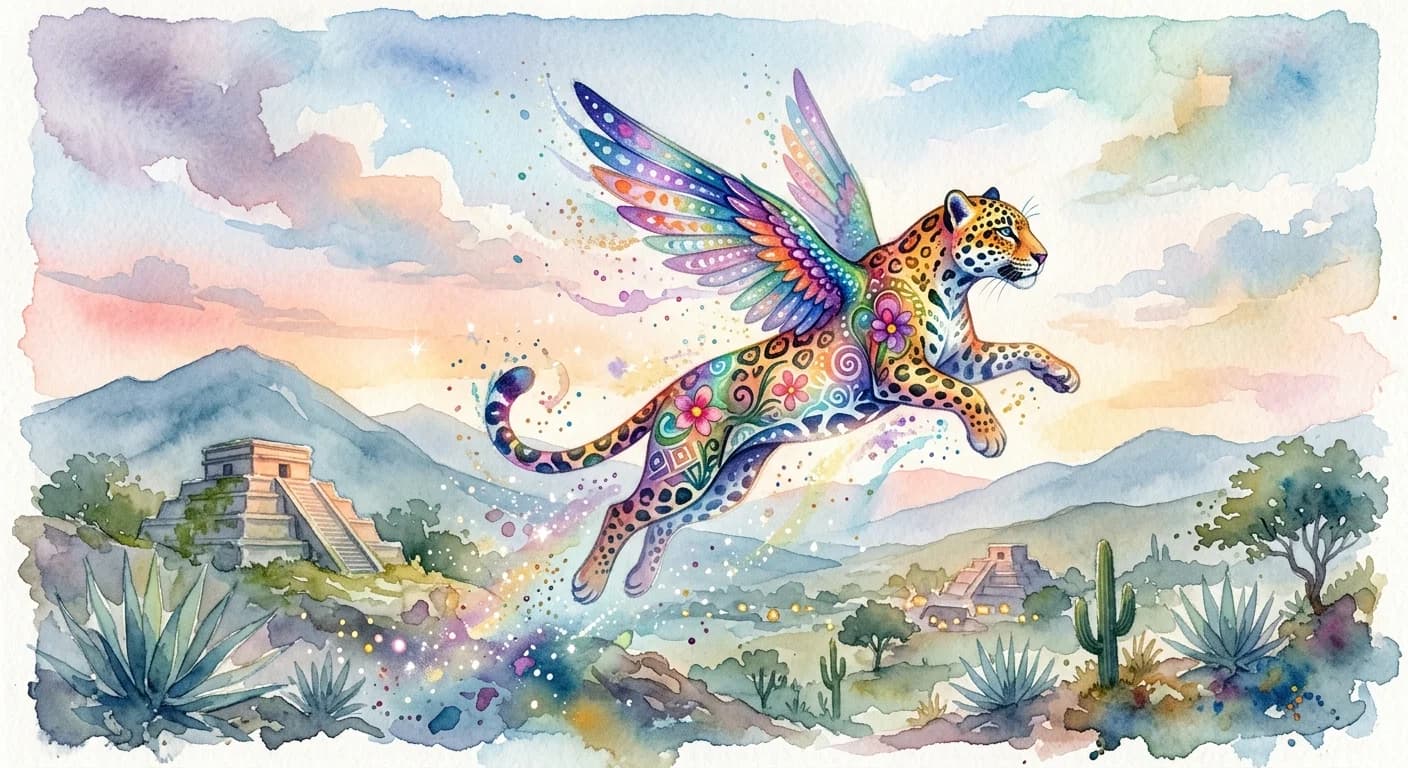
    Artistic representation of Alebrijes
    Spanish•
    🇲🇽Mexico

    Alebrijes

    /ah-leh-BREE-hehs/

    Meaning

    Alebrijes are fantastical, vibrantly colored creatures born from the unbridled imagination of Mexican folk artists. These intricate sculptures, typically crafted from papier-mâché or carved wood, fuse elements of real animals with mythical beings, resulting in surreal and whimsical forms. Each alebrije is a unique explosion of color and pattern, serving not just as a decorative object but as a tangible representation of dreams, spiritual guides, and the boundless creativity inherent in Mexican cultural expression.

    Literal Translation

    No direct literal translation; it's a proper noun for the art form.

    The Story Behind the Word

    The story of alebrijes begins with Pedro Linares López, a Mexico City artisan, who, in the 1930s, experienced vivid fever dreams of strange, chimerical creatures calling out 'alebrije!' These visions, upon his recovery, inspired him to bring them to life using papier-mâché. This art form was later embraced and adapted by woodcarvers in Oaxaca, particularly in the village of San Martín Tilcajete, where the Zapotec tradition of carving copal wood figures already existed. The Oaxacan alebrijes often incorporate elements of their pre-Hispanic cosmovision, where animals serve as 'nahuales' or spirit guides. The existence of alebrijes reveals a culture that deeply values imagination, storytelling, and the spiritual connection between humans and the natural world, even if that world is fantastical. They are a testament to resilience, creativity, and the belief that beauty can emerge from the most surreal experiences.

    Experience It

    A Child's Wonder

    At the artisan market, young Sofia gasped, her eyes wide with wonder at a vibrant winged jaguar alebrije. Its intricate patterns and bold colors seemed to pulse with life, instantly captivating her imagination and sparking dreams of magical adventures.

    Gift of Protection

    Maria carefully wrapped a small, horned armadillo alebrije for her friend's new home. She explained that it was not just a decoration, but a spirit guide, a protector to watch over their family, imbued with the artist's good intentions and creative energy.

    The Deeper Meaning

    Alebrijes embody a profound philosophical insight into the power of the subconscious and the human capacity to transform adversity (Linares' illness) into creation. They reflect a worldview where the boundaries between reality and dream, the mundane and the magical, are fluid and permeable, suggesting that imagination is a vital pathway to understanding and expressing the world around us, and even beyond it.

    Did You Know?

    The original alebrijes by Pedro Linares were made from papier-mâché, but the Oaxacan wooden alebrijes, often carved from copal wood, became equally famous, each region developing its distinct style and techniques.

    How It's Used

    Used to refer to the brightly colored folk art sculptures of fantastical creatures, typically made from papier-mâché or wood, originating from Mexico.

    Emotions
    joy,wonder
    Contexts
    art,celebration,work
    🇲🇽Mexico

    by Sofia Rossi·Written Mar 14, 2026·Updated Apr 3, 2026

    Related Words

    Explore more
    Pura vidaSpanish

    More than just 'pure life,' "Pura vida" encapsulates a profound philosophy of embracing the present moment with unwavering optimism and gratitude. It's a daily commitment to finding joy in simple pleasures, accepting life's challenges with a positive spirit, and prioritizing well-being over material possessions. This ubiquitous phrase reflects a national identity built on resilience, community, and an deep appreciation for nature's bounty.

    JayusIndonesian

    Jayus describes that peculiar moment when a joke is so utterly devoid of humor, so poorly delivered, or so nonsensical that its very ineptitude triggers an involuntary, almost sympathetic burst of laughter. It's not laughter at the joke itself, but rather a reaction to the sheer awkwardness and the unexpected, delightful absurdity of someone failing so spectacularly to be funny. The humor stems from the meta-experience of witnessing a comedic train wreck, transforming discomfort into a shared moment of mirth.

    MamihlapinatapaiYaghan

    Mamihlapinatapai encapsulates that profound, unspoken moment when two individuals lock eyes, each silently acknowledging a mutual desire or intention, yet both hesitate to be the first to act upon it. It's a delicate dance of anticipation, a shared gaze brimming with common understanding and a quiet longing for the other to break the ice. This intricate look carries the weight of a shared, uninitiated potential, a silent conversation where both parties are perfectly aware of what could happen, but neither makes the first move.

    TarabArabic

    Tarab is far more than mere enjoyment; it's a profound, almost spiritual communion with music, where the performer and audience become one in a shared emotional journey. It signifies a state of ecstatic enchantment, a deep emotional surrender that transcends the self, leading to a transformative experience. This intense connection often manifests as spontaneous vocalizations, tears, or even physical swaying, as the music penetrates the soul and evokes a powerful release of feeling. It's a moment of pure, unadulterated musical rapture.