U.
HomeRegionsLanguagesEmotionsCollections
Find Your Word

“The limits of my language mean the limits of my world.”

— Ludwig Wittgenstein, Philosopher

Untranslatable

A curated collection of the world's most beautiful expressions—words that remind us language is humanity's greatest invention.

  • Home
  • Collections
  • Regions
  • Countries
  • Emotions
  • Tags
  • Contexts
  • Finder
  • Europe
  • Asia
  • Americas
  • Africa
  • Middle East
  • About
  • Contact
  • Privacy Policy
  • Terms of Service

2026 © Untranslatable. All rights reserved.

    /
    /
    1. Home
    2. /
    3. Europe
    4. /
    5. Convivir
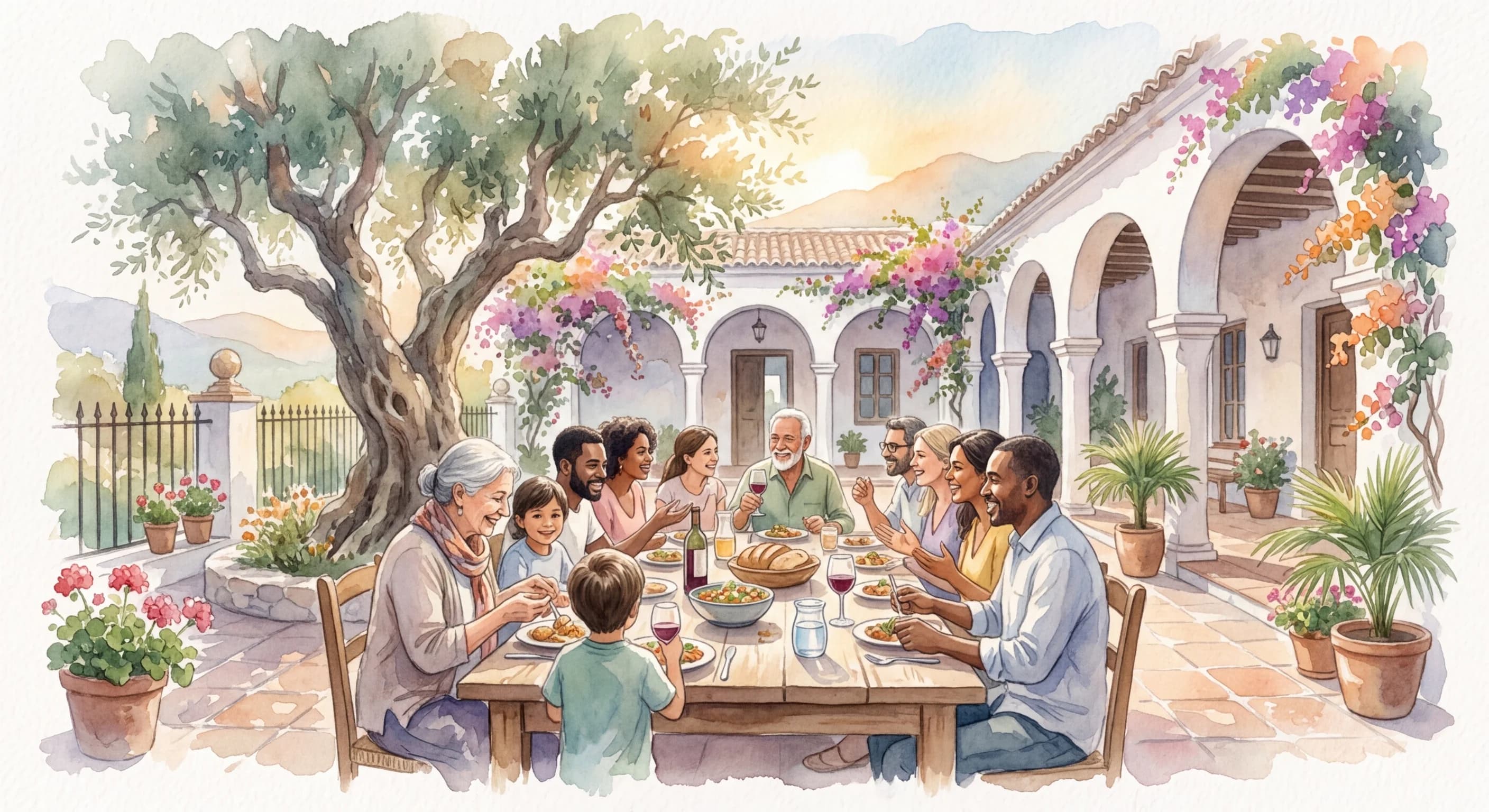
    Artistic representation of Convivir
    Spanish•
    🇦🇷Argentina🇧🇴Bolivia🇨🇱Chile🇨🇴Colombia🇨🇷Costa Rica🇨🇺Cuba🇩🇴Dominican Republic🇪🇨Ecuador🇸🇻El Salvador🇬🇶Equatorial Guinea🇬🇹Guatemala🇭🇳Honduras🇲🇽Mexico🇳🇮Nicaragua🇵🇦Panama🇵🇾Paraguay🇵🇪Peru🇵🇷Puerto Rico🇪🇸Spain🇺🇾Uruguay🇻🇪Venezuela

    Convivir

    /kon-vee-VEER/

    Meaning

    Convivir transcends mere coexistence, embodying the active, harmonious sharing of life within a community. It signifies a profound mutual respect and understanding that allows diverse individuals or groups to not just tolerate, but genuinely thrive alongside each other. This concept fosters a vibrant social fabric where shared experiences and a sense of belonging enrich everyone involved, cultivating a supportive environment rather than just a shared space.

    Literal Translation

    to live together

    The Story Behind the Word

    The concept of "convivir" is deeply rooted in Spain's historical tapestry, particularly its centuries of intermingling cultures, most notably Christian, Muslim, and Jewish. While not always peaceful, periods of relative harmony, like La Convivencia in medieval Iberia, left an indelible mark on the collective consciousness, fostering an ideal of living together despite differences. This historical memory, combined with a strong emphasis on community, family, and shared social life (evidenced by plazas, tapas culture, and extended family structures), imbues "convivir" with significant cultural weight. It reflects a societal value that prioritizes communal well-being and social cohesion over individualistic pursuits, revealing a worldview where identity is often shaped by one's place within a larger, interconnected whole. It's about finding common ground and building bridges, recognizing that shared life enriches all.

    Experience It

    Neighborhood Fiesta

    In the bustling plaza, neighbors from all walks of life, young and old, Spanish and immigrant, share paella and laughter. They've learned to convivially navigate their differences, celebrating together and supporting each other through daily joys and struggles, making their barrio a true community.

    Shared Apartment Life

    Three university students from different regions of Spain, each with their own habits, have learned to convivially share their small apartment. They've established routines, respect each other's spaces, and often cook and eat together, turning a simple living arrangement into a supportive home.

    The Deeper Meaning

    "Convivir" embodies a philosophy of relational ontology, suggesting that individual identity and well-being are intrinsically linked to one's ability to live harmoniously with others. It champions an ethics of mutual recognition and respect, positing that true societal flourishing arises not from homogeneity, but from the intentional and empathetic merging of diverse lives into a shared, enriching experience. It's a call to active engagement in building a shared world.

    Did You Know?

    The term "La Convivencia" is often used by historians to describe periods in medieval Spain (Al-Andalus) where Muslims, Christians, and Jews coexisted and interacted, leading to significant cultural and intellectual exchange.

    How It's Used

    Used to describe the harmonious coexistence of people, cultures, or even different species in a shared environment, emphasizing mutual respect and shared life.

    Emotions
    belonging,gratitude,peace,warmth
    Contexts
    community,cultural identity,family,friendship
    🇦🇷Argentina🇧🇴Bolivia🇨🇱Chile🇨🇴Colombia🇨🇷Costa Rica🇨🇺Cuba🇩🇴Dominican Republic🇪🇨Ecuador🇸🇻El Salvador🇬🇶Equatorial Guinea🇬🇹Guatemala🇭🇳Honduras🇲🇽Mexico🇳🇮Nicaragua🇵🇦Panama🇵🇾Paraguay🇵🇪Peru🇵🇷Puerto Rico🇪🇸Spain🇺🇾Uruguay🇻🇪Venezuela

    by Anya Petrova·Written Mar 10, 2026·Updated Apr 3, 2026

    Related Words

    Explore more
    HyggeDanish

    Hygge is more than mere coziness; it's a holistic embrace of comfort, warmth, and belonging that nourishes the soul. It describes the intentional creation of an intimate atmosphere where simple pleasures, genuine connection, and mindful presence converge, fostering a profound sense of contentment and well-being. It's about finding joy and peace in the small, everyday moments, often shared with loved ones.

    SaudadePortuguese

    Saudade encapsulates a profound, melancholic longing for something or someone cherished that is absent, often with the bittersweet knowledge that it may never return. It's a deep emotional state tinged with nostalgia, evoking a sense of loss for past experiences, places, or people, yet also holding a tender appreciation for the beauty of what once was. This yearning is not merely sadness, but a complex tapestry of desire, memory, and a poignant acceptance of absence, holding the beloved in a warm, persistent embrace within the heart.

    GezelligDutch

    Gezellig encapsulates a profound sense of warmth, belonging, and convivial comfort, extending beyond mere coziness to embrace the social and emotional atmosphere. It's the feeling of being truly at ease, surrounded by good company, laughter, and a shared sense of contentment. This untranslatable term describes not just a physical space, but a holistic experience where time seems to slow down, fostering genuine connection and a deep sense of well-being.

    Dolce far nienteItalian

    Dolce far niente captures the profound joy and effortless pleasure derived from simply existing without obligation or purpose. It's the art of savoring moments of pure, unadulterated idleness – lying in the sun, watching the clouds drift, or enjoying a leisurely coffee – not as a break from work, but as a valuable state in itself. This 'sweetness of doing nothing' is a conscious embrace of stillness and contentment, allowing the soul to breathe and the senses to fully engage with the present.