U.
HomeRegionsLanguagesEmotionsCollections
Find Your Word

“The limits of my language mean the limits of my world.”

— Ludwig Wittgenstein, Philosopher

Untranslatable

A curated collection of the world's most beautiful expressions—words that remind us language is humanity's greatest invention.

  • Home
  • Collections
  • Regions
  • Countries
  • Emotions
  • Tags
  • Contexts
  • Finder
  • Europe
  • Asia
  • Americas
  • Africa
  • Middle East
  • About
  • Contact
  • Privacy Policy
  • Terms of Service

2026 © Untranslatable. All rights reserved.

    /
    /
    1. Home
    2. /
    3. Asia
    4. /
    5. Amezaiku
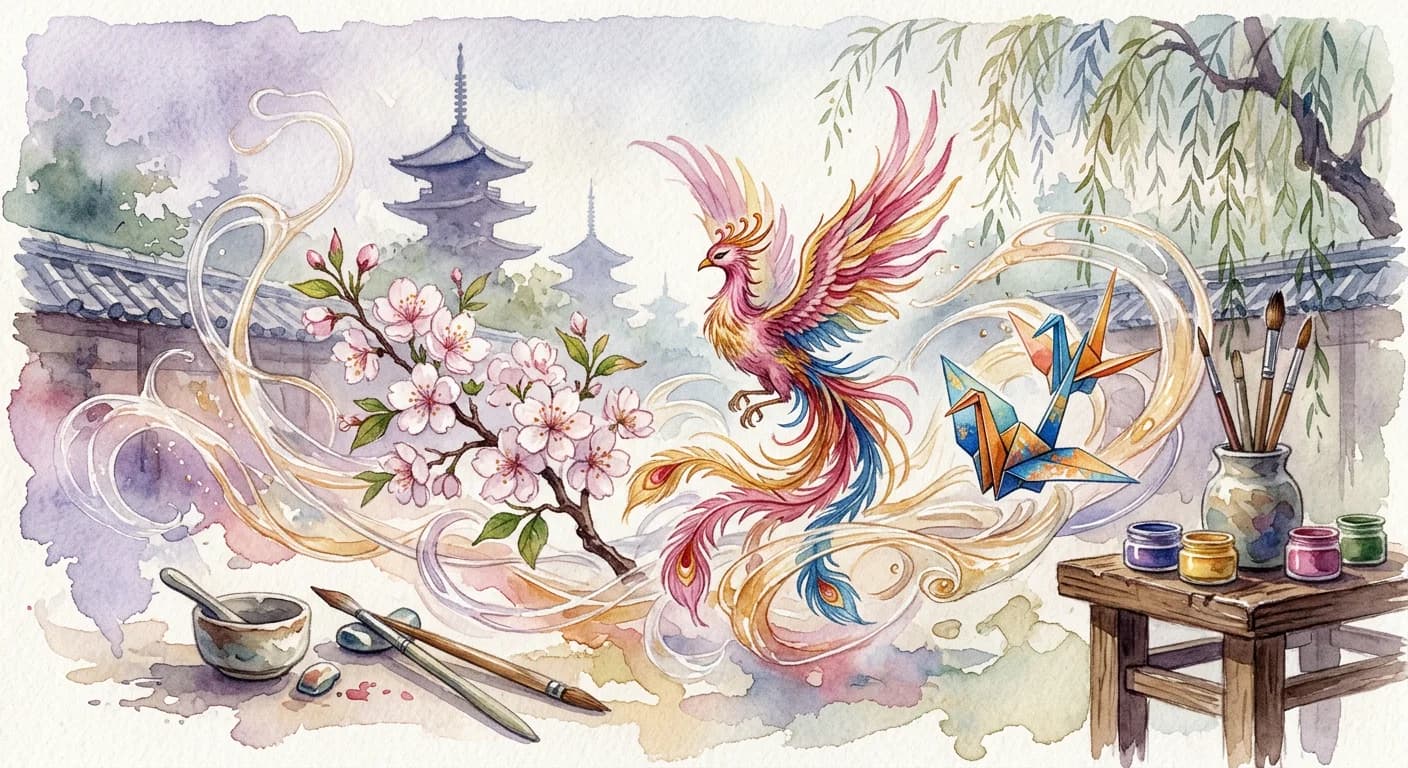
    Artistic representation of Amezaiku
    Japanese•
    🇯🇵Japan

    Amezaiku

    /AH-meh-zah-ee-koo/

    Meaning

    Amezaiku is the mesmerizing traditional Japanese art of transforming molten sugar into delicate, edible sculptures. With remarkable speed and dexterity, artisans sculpt intricate forms like soaring dragons, blooming flowers, or adorable animals, often using only their hands and a few specialized tools before the sugar hardens. This ephemeral craft is a fleeting spectacle of beauty and skill, embodying a poignant appreciation for momentary perfection and evoking a sense of childlike wonder in both creator and observer.

    Literal Translation

    Candy sculpting

    The Story Behind the Word

    Amezaiku traces its roots back centuries, possibly emerging during the Heian period or later, evolving from offerings made in temples or as street entertainment. Its enduring presence speaks to a deep cultural appreciation for craftsmanship, precision, and the aesthetic value found in transient beauty. The act of watching an artisan create an amezaiku is as much a part of the experience as consuming the candy itself, highlighting the Japanese value of process and performance. It reflects a worldview where even simple, everyday items can be elevated to an art form through dedicated skill and attention, offering moments of joy and wonder amidst the ordinary. The ephemeral nature of the candy also subtly echoes Buddhist concepts of impermanence and the beauty of the present moment.

    Experience It

    Festival Delight

    At the summer matsuri, a young girl clutches her mother's hand, eyes wide with fascination as the amezaiku artisan deftly pulls and snips the warm sugar, transforming it into a shimmering goldfish. She giggles with delight as the finished candy, still warm, is handed to her, a perfect, edible masterpiece.

    Artisan's Concentration

    Under the soft glow of a street lamp, a seasoned amezaiku master, his brow furrowed in concentration, meticulously sculpts a phoenix from a glob of translucent sugar. The crowd watches in hushed awe, mesmerized by his precise movements and the rapid evolution of the mythical bird, knowing its beauty will soon be consumed.

    The Deeper Meaning

    Amezaiku encapsulates the Japanese aesthetic principle of 'mono no aware' – a poignant appreciation for the transience of beauty and the bittersweet awareness of its impermanence. It celebrates the exquisite skill and fleeting perfection of the present moment, reminding us to cherish beauty while it lasts, as it is destined to fade.

    Did You Know?

    Amezaiku artisans often use a small pair of Japanese scissors and tweezers, along with their bare hands, to shape the hot, sticky sugar, requiring immense heat tolerance and nimble fingers.

    How It's Used

    Amezaiku is typically created by street vendors at festivals, fairs, and special events in Japan. It is often made for children as a delightful treat and a visual spectacle, or as a unique souvenir.

    Emotions
    bittersweet,gratitude,joy,wonder
    Contexts
    celebration,dining,seasons,travel
    🇯🇵Japan

    by Annelise Dubois·Written Mar 14, 2026·Updated Apr 3, 2026

    Related Words

    Explore more
    Wabi-sabiJapanese

    Wabi-sabi is the profound appreciation for the ephemeral, the imperfect, and the incomplete aspects of existence. It is about discovering beauty in the subtle textures of age, the unique character of flaws, and the gentle decay that marks the passage of time. This philosophy encourages a quiet acceptance of impermanence and a mindful connection to the natural world, finding elegance in simplicity and authenticity.

    IkigaiJapanese

    Ikigai is more than just a reason to get out of bed; it's a deeply personal and evolving sense of purpose that brings genuine fulfillment and joy to one's life. It represents the sweet spot where your passions, talents, needs of the world, and what you can be paid for beautifully converge. Discovering your ikigai often leads to a life lived with intentionality, resilience, and a profound connection to one's contributions. It's the intrinsic motivation that fuels a meaningful existence, regardless of external circumstances.

    NunchiKorean

    Nunchi is the sophisticated, almost telepathic, ability to instantly grasp the unspoken dynamics of any social situation, anticipating others' thoughts and feelings, and then responding with impeccable grace and timing. It's an acute form of social intuition, allowing one to navigate complex interpersonal landscapes by reading subtle cues like body language, tone, and context. Possessing good nunchi means effortlessly understanding the underlying emotional currents and adjusting one's behavior to maintain harmony and effectiveness, often without a single word exchanged.

    JugaadHindi

    Jugaad is more than just a quick fix; it embodies the spirit of resourceful, ingenious improvisation in the face of scarcity or systemic challenges. It's the art of bending rules, repurposing materials, and thinking outside the box to achieve a desired outcome, often with limited financial or technological resources. This approach celebrates clever workarounds and innovative adaptations, turning constraints into catalysts for creative problem-solving. It's about making do and making something work, brilliantly.