U.
HomeRegionsLanguagesEmotionsCollections
Find Your Word

“The limits of my language mean the limits of my world.”

— Ludwig Wittgenstein, Philosopher

Untranslatable

A curated collection of the world's most beautiful expressions—words that remind us language is humanity's greatest invention.

  • Home
  • Collections
  • Regions
  • Countries
  • Emotions
  • Tags
  • Contexts
  • Finder
  • Europe
  • Asia
  • Americas
  • Africa
  • Middle East
  • About
  • Contact
  • Privacy Policy
  • Terms of Service

2026 © Untranslatable. All rights reserved.

    /
    /
    1. Home
    2. /
    3. Europe
    4. /
    5. Estrenar
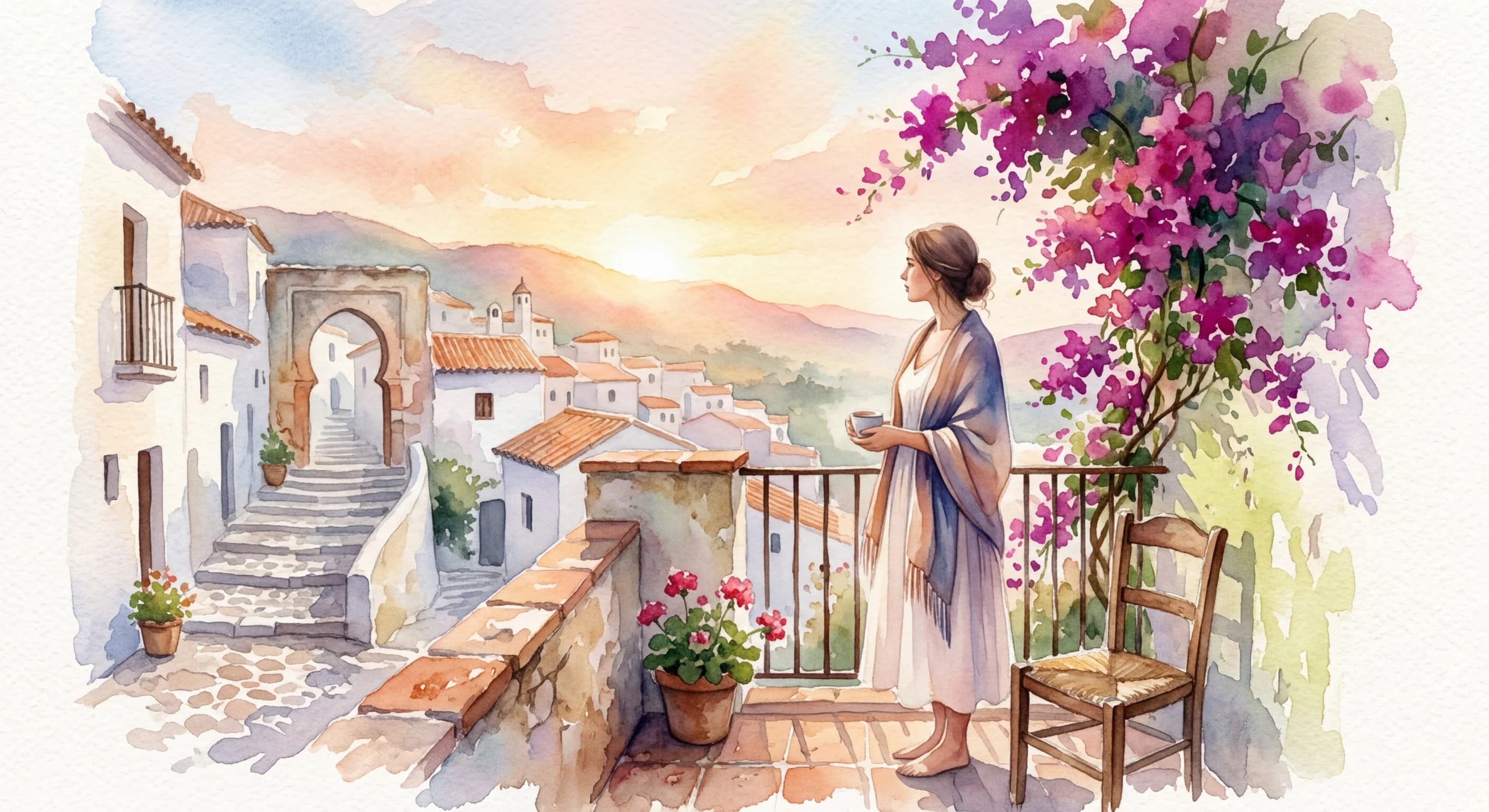
    Artistic representation of Estrenar
    Spanish•
    🇦🇷Argentina🇧🇴Bolivia🇨🇱Chile🇨🇴Colombia🇨🇷Costa Rica🇨🇺Cuba🇩🇴Dominican Republic🇪🇨Ecuador🇸🇻El Salvador🇬🇹Guatemala🇭🇳Honduras🇲🇽Mexico🇳🇮Nicaragua🇵🇦Panama🇵🇾Paraguay🇵🇪Peru🇵🇷Puerto Rico🇪🇸Spain🇺🇾Uruguay🇻🇪Venezuela

    Estrenar

    /es-treh-NAR/

    Meaning

    Estrenar encapsulates the profound emotional experience of initiating the use or enjoyment of something brand new, be it a physical object, a fresh dwelling, or even a novel experience. It's far more than mere 'first use'; it embodies the exhilarating thrill, the delicate apprehension, and the ceremonial significance attached to that inaugural moment. This word celebrates the joy of novelty and anticipation, marking a pivotal transition and fresh start that often imbues the item or event with a deep sense of personal pride and lasting memory.

    Literal Translation

    to premiere, to use for the first time

    The Story Behind the Word

    The existence of 'estrenar' in Spanish culture speaks to a deep-seated appreciation for new beginnings and the ceremonial aspect of initial experiences. Historically, in many Mediterranean cultures, the acquisition of new garments, household items, or even a new home was often accompanied by rituals or blessings, signifying a fresh start and good fortune. This word reflects a collective psychological tendency to imbue the 'first-ness' of something with special meaning, acknowledging the excitement and perhaps a touch of anxiety that comes with stepping into the unknown, even if it's just a new pair of shoes. It highlights a cultural emphasis on the emotional resonance of novelty and the human desire to mark significant personal transitions, linking the material with the emotional and spiritual.

    Experience It

    First New Dress

    María carefully unwrapped her new dress, its fabric still crisp and smelling faintly of the boutique. As she slipped it on for the first time, she felt a special thrill, knowing she was 'estrenando' it for her best friend's wedding, making the occasion even more memorable.

    Moving into New Home

    After years of saving, the García family finally received the keys to their new apartment. The moment they unlocked the door and stepped inside, a wave of relief and joy washed over them – they were 'estrenando' their dream home, ready to fill it with new memories.

    The Deeper Meaning

    This word subtly reveals a cultural philosophy that values the 'unblemished' and 'unworn' as possessing a unique, almost sacred quality. It underscores the human inclination to find significance in beginnings, suggesting that the initial interaction with something new sets a tone or creates a foundational memory. It reflects a worldview that sees novelty not just as a state of being, but as an experience charged with emotional and symbolic weight, a fresh page awaiting its first inscription.

    Did You Know?

    While often used for material possessions, 'estrenar' can even apply to abstract concepts, like 'estrenar un nuevo look' (to debut a new look) or 'estrenar una relación' (to embark on a new relationship).

    How It's Used

    Used when referring to the first use of any new item, such as 'estrenar un vestido' (to wear a dress for the first time) or 'estrenar casa' (to move into a new house for the first time). It can also apply to new experiences or relationships.

    Emotions
    contentment,excitement,joy
    Contexts
    celebration,daily life,greeting
    🇦🇷Argentina🇧🇴Bolivia🇨🇱Chile🇨🇴Colombia🇨🇷Costa Rica🇨🇺Cuba🇩🇴Dominican Republic🇪🇨Ecuador🇸🇻El Salvador🇬🇹Guatemala🇭🇳Honduras🇲🇽Mexico🇳🇮Nicaragua🇵🇦Panama🇵🇾Paraguay🇵🇪Peru🇵🇷Puerto Rico🇪🇸Spain🇺🇾Uruguay🇻🇪Venezuela

    by Anya Petrova·Written Mar 10, 2026·Updated Apr 3, 2026

    Related Words

    Explore more
    HyggeDanish

    Hygge is more than mere coziness; it's a holistic embrace of comfort, warmth, and belonging that nourishes the soul. It describes the intentional creation of an intimate atmosphere where simple pleasures, genuine connection, and mindful presence converge, fostering a profound sense of contentment and well-being. It's about finding joy and peace in the small, everyday moments, often shared with loved ones.

    SaudadePortuguese

    Saudade encapsulates a profound, melancholic longing for something or someone cherished that is absent, often with the bittersweet knowledge that it may never return. It's a deep emotional state tinged with nostalgia, evoking a sense of loss for past experiences, places, or people, yet also holding a tender appreciation for the beauty of what once was. This yearning is not merely sadness, but a complex tapestry of desire, memory, and a poignant acceptance of absence, holding the beloved in a warm, persistent embrace within the heart.

    GezelligDutch

    Gezellig encapsulates a profound sense of warmth, belonging, and convivial comfort, extending beyond mere coziness to embrace the social and emotional atmosphere. It's the feeling of being truly at ease, surrounded by good company, laughter, and a shared sense of contentment. This untranslatable term describes not just a physical space, but a holistic experience where time seems to slow down, fostering genuine connection and a deep sense of well-being.

    Dolce far nienteItalian

    Dolce far niente captures the profound joy and effortless pleasure derived from simply existing without obligation or purpose. It's the art of savoring moments of pure, unadulterated idleness – lying in the sun, watching the clouds drift, or enjoying a leisurely coffee – not as a break from work, but as a valuable state in itself. This 'sweetness of doing nothing' is a conscious embrace of stillness and contentment, allowing the soul to breathe and the senses to fully engage with the present.