U.
HomeRegionsLanguagesEmotionsCollections
Find Your Word

“The limits of my language mean the limits of my world.”

— Ludwig Wittgenstein, Philosopher

Untranslatable

A curated collection of the world's most beautiful expressions—words that remind us language is humanity's greatest invention.

  • Home
  • Collections
  • Regions
  • Countries
  • Emotions
  • Tags
  • Contexts
  • Finder
  • Europe
  • Asia
  • Americas
  • Africa
  • Middle East
  • About
  • Contact
  • Privacy Policy
  • Terms of Service

2026 © Untranslatable. All rights reserved.

    /
    /
    1. Home
    2. /
    3. Europe
    4. /
    5. Bacalhau
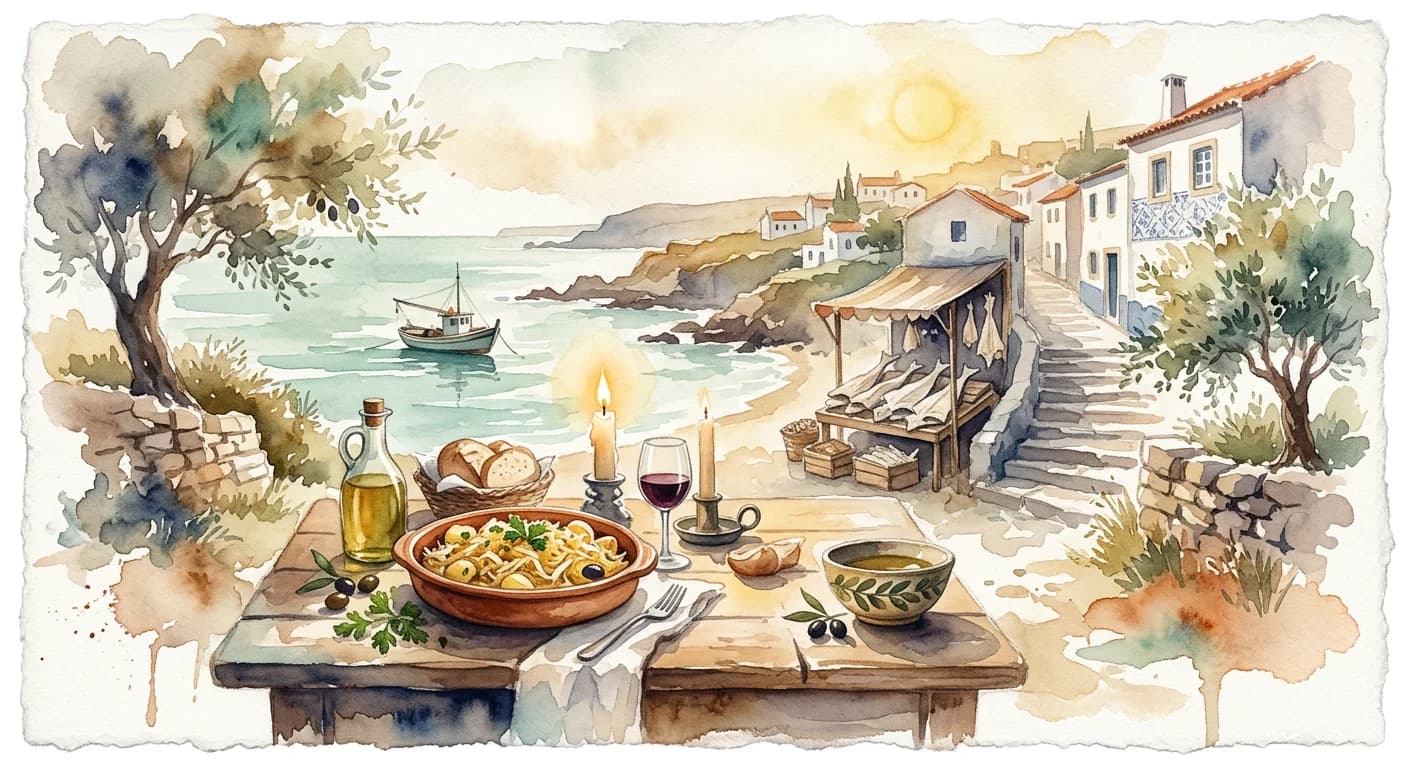
    Artistic representation of Bacalhau
    Portuguese•
    🇦🇴Angola🇧🇷Brazil🇨🇻Cape Verde🇬🇼Guinea-Bissau🇲🇿Mozambique🇵🇹Portugal🇸🇹São Tomé and Príncipe🇹🇱Timor-Leste

    Bacalhau

    /bah-kah-LOW/

    Meaning

    Bacalhau, more than mere dried and salted cod, is the culinary soul of Portugal, embodying resilience, resourcefulness, and deep-seated tradition. It's a cornerstone of Portuguese identity, transforming from a simple preserved food into an emblem of communal celebration, particularly during festive occasions like Christmas Eve. The sheer diversity of its preparation, famously boasting over 365 recipes, underscores its enduring versatility and profound connection to Portuguese family and community life. It represents a culinary canvas upon which generations have painted their history and heritage.

    Literal Translation

    dried and salted cod

    The Story Behind the Word

    The existence of 'bacalhau' in Portuguese culture is a testament to the nation's seafaring history and its spirit of endurance. Originating from the Age of Discoveries, when explorers needed non-perishable food for long voyages, bacalhau became a strategic provision. Its preservation method—salting and drying—allowed it to be stored for extended periods, making it invaluable. This practical necessity evolved into a culinary art form, deeply embedding itself in daily life and special occasions. The word itself evokes a sense of home, family gatherings, and the comforting aroma of traditional cooking. It reflects a cultural value placed on making the most of what's available and transforming humble ingredients into something extraordinary, symbolizing the Portuguese ability to thrive in challenging circumstances and to cherish their traditions.

    Experience It

    Christmas Eve Feast

    A avó (grandmother) meticulously soaks the bacalhau for days, preparing it for the Consoada, the traditional Christmas Eve dinner. The entire family gathers, the kitchen bustling with the aroma of boiled cod, potatoes, and cabbage, a dish simple in appearance but rich in generational stories and shared warmth.

    Weekly Lunch Tradition

    At a bustling tasca (tavern) in Lisbon, João orders a 'Bacalhau à Brás'. He savors the comforting mix of shredded cod, onions, straw-fried potatoes, and scrambled eggs, a popular, hearty lunch that connects him to centuries of Portuguese culinary heritage, even on a busy Tuesday afternoon.

    The Deeper Meaning

    Bacalhau embodies a philosophy of 'transformative resilience.' It teaches that even the most basic, preserved ingredients can, through ingenuity and tradition, become symbols of abundance, community, and national pride. It reflects a worldview that values resourcefulness, patience (in its preparation), and the power of food to connect generations and sustain cultural identity, turning necessity into a cherished art form.

    Did You Know?

    It's said there are more bacalhau recipes than days in the year (over 365!), meaning you could eat a different bacalhau dish every day and still not try them all!

    How It's Used

    Used to refer to the type of fish (dried and salted cod) and specific dishes prepared with it. It is a cornerstone of Portuguese cuisine, consumed year-round but particularly significant during Christmas Eve and other festive occasions.

    Emotions
    belonging,comfort,gratitude,nostalgia
    Contexts
    celebration,dining,family,tradition
    🇦🇴Angola🇧🇷Brazil🇨🇻Cape Verde🇬🇼Guinea-Bissau🇲🇿Mozambique🇵🇹Portugal🇸🇹São Tomé and Príncipe🇹🇱Timor-Leste

    by Annelise Dubois·Written Mar 14, 2026·Updated Apr 3, 2026

    Related Words

    Explore more
    HyggeDanish

    Hygge is more than mere coziness; it's a holistic embrace of comfort, warmth, and belonging that nourishes the soul. It describes the intentional creation of an intimate atmosphere where simple pleasures, genuine connection, and mindful presence converge, fostering a profound sense of contentment and well-being. It's about finding joy and peace in the small, everyday moments, often shared with loved ones.

    SaudadePortuguese

    Saudade encapsulates a profound, melancholic longing for something or someone cherished that is absent, often with the bittersweet knowledge that it may never return. It's a deep emotional state tinged with nostalgia, evoking a sense of loss for past experiences, places, or people, yet also holding a tender appreciation for the beauty of what once was. This yearning is not merely sadness, but a complex tapestry of desire, memory, and a poignant acceptance of absence, holding the beloved in a warm, persistent embrace within the heart.

    GezelligDutch

    Gezellig encapsulates a profound sense of warmth, belonging, and convivial comfort, extending beyond mere coziness to embrace the social and emotional atmosphere. It's the feeling of being truly at ease, surrounded by good company, laughter, and a shared sense of contentment. This untranslatable term describes not just a physical space, but a holistic experience where time seems to slow down, fostering genuine connection and a deep sense of well-being.

    Dolce far nienteItalian

    Dolce far niente captures the profound joy and effortless pleasure derived from simply existing without obligation or purpose. It's the art of savoring moments of pure, unadulterated idleness – lying in the sun, watching the clouds drift, or enjoying a leisurely coffee – not as a break from work, but as a valuable state in itself. This 'sweetness of doing nothing' is a conscious embrace of stillness and contentment, allowing the soul to breathe and the senses to fully engage with the present.