U.
HomeRegionsLanguagesEmotionsCollections
Find Your Word

“The limits of my language mean the limits of my world.”

— Ludwig Wittgenstein, Philosopher

Untranslatable

A curated collection of the world's most beautiful expressions—words that remind us language is humanity's greatest invention.

  • Home
  • Collections
  • Regions
  • Countries
  • Emotions
  • Tags
  • Contexts
  • Finder
  • Europe
  • Asia
  • Americas
  • Africa
  • Middle East
  • About
  • Contact
  • Privacy Policy
  • Terms of Service

2026 © Untranslatable. All rights reserved.

    /
    /
    1. Home
    2. /
    3. Europe
    4. /
    5. Te quiero
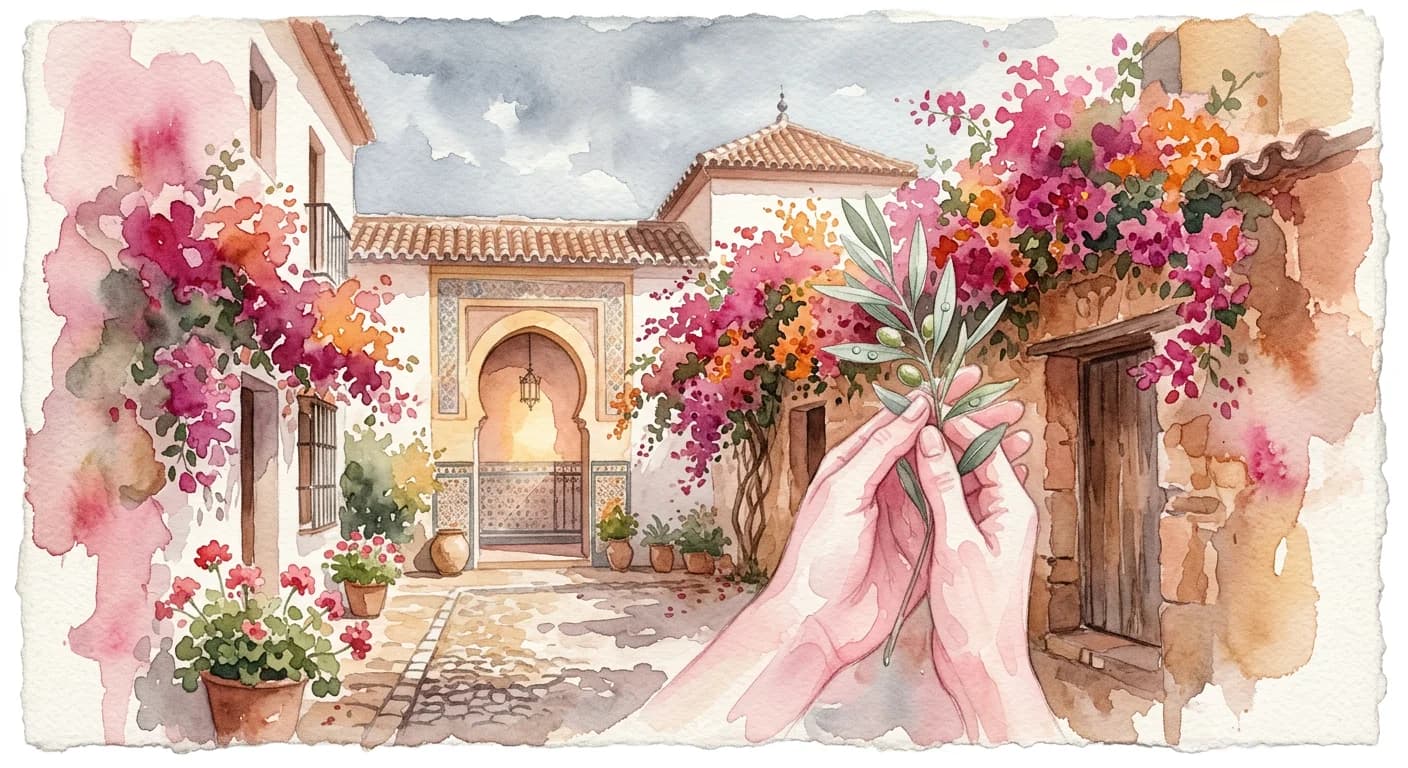
    Artistic representation of Te quiero
    Spanish•
    🇦🇷Argentina🇧🇴Bolivia🇨🇱Chile🇨🇴Colombia🇨🇷Costa Rica🇨🇺Cuba🇩🇴Dominican Republic🇪🇨Ecuador🇸🇻El Salvador🇬🇹Guatemala🇭🇳Honduras🇲🇽Mexico🇳🇮Nicaragua🇵🇦Panama🇵🇾Paraguay🇵🇪Peru🇵🇷Puerto Rico🇪🇸Spain🇺🇾Uruguay🇻🇪Venezuela

    Te quiero

    /tay kee-EH-roh/

    Meaning

    Beyond its literal translation of 'I want you,' 'Te quiero' in Spanish encapsulates a tender, enduring affection. It's the warmth of a constant embrace, the comfort of shared history, and the genuine desire for another's happiness, whether they are family, a cherished friend, or a partner in a blossoming or long-established relationship. This phrase articulates a deep, familiar bond, a love that is less about passionate intensity and more about profound care and connection, woven into the fabric of daily life.

    Literal Translation

    I want you

    The Story Behind the Word

    The distinction between 'te quiero' and 'te amo' is deeply embedded in the Spanish-speaking world's emotional landscape, reflecting a nuanced understanding of love that values different facets of human connection. 'Te quiero' speaks to a culture that cherishes community, family bonds, and enduring friendships as foundational elements of well-being. It signifies a love that is practical, supportive, and ever-present, rather than solely romantic or all-consuming. This linguistic differentiation highlights a worldview where affection is expressed across a spectrum, allowing for varying degrees of intimacy and commitment without diminishing the sincerity of the emotion. It suggests that love isn't a monolithic concept but a rich tapestry of relationships, each deserving its unique expression.

    Experience It

    A Mother's Goodbye

    As Sofía leaves for university, her mother hugs her tightly, whispering, 'Cuídate mucho, mi amor. Te quiero.' It's a phrase packed with care, wishing her well, and reinforcing their unbreakable bond, a quiet promise of continued love and support.

    Friends Parting Ways

    After a long evening of laughter and conversation, two friends, Pablo and Elena, hug goodnight. Elena smiles, 'Gracias por todo, Pablo. Te quiero mucho.' It conveys genuine fondness and appreciation for their enduring friendship, a comfortable and deep connection.

    The Deeper Meaning

    This linguistic duality reflects a profound understanding of love as multifaceted, not a singular, overwhelming emotion. It suggests a philosophical perspective where human connections are categorized and valued based on their nature – be it familial, platonic, or romantic – rather than being collapsed into one all-encompassing term. 'Te quiero' underscores the importance of sustained care and well-being within relationships, highlighting a societal appreciation for enduring, supportive bonds over fleeting passions.

    Did You Know?

    Despite its 'I want you' literal meaning, using 'te quiero' to express carnal desire would be highly inappropriate and misunderstood; it strictly conveys affection.

    How It's Used

    Used to express affection, fondness, or love towards family members, friends, and romantic partners. It is less intense than 'te amo' (I love you) but signifies a deep caring and connection.

    Emotions
    belonging,gratitude,love,warmth
    Contexts
    family,friendship,romance
    🇦🇷Argentina🇧🇴Bolivia🇨🇱Chile🇨🇴Colombia🇨🇷Costa Rica🇨🇺Cuba🇩🇴Dominican Republic🇪🇨Ecuador🇸🇻El Salvador🇬🇹Guatemala🇭🇳Honduras🇲🇽Mexico🇳🇮Nicaragua🇵🇦Panama🇵🇾Paraguay🇵🇪Peru🇵🇷Puerto Rico🇪🇸Spain🇺🇾Uruguay🇻🇪Venezuela

    by Annelise Dubois·Written Mar 10, 2026·Updated Apr 3, 2026

    Related Words

    Explore more
    HyggeDanish

    Hygge is more than mere coziness; it's a holistic embrace of comfort, warmth, and belonging that nourishes the soul. It describes the intentional creation of an intimate atmosphere where simple pleasures, genuine connection, and mindful presence converge, fostering a profound sense of contentment and well-being. It's about finding joy and peace in the small, everyday moments, often shared with loved ones.

    SaudadePortuguese

    Saudade encapsulates a profound, melancholic longing for something or someone cherished that is absent, often with the bittersweet knowledge that it may never return. It's a deep emotional state tinged with nostalgia, evoking a sense of loss for past experiences, places, or people, yet also holding a tender appreciation for the beauty of what once was. This yearning is not merely sadness, but a complex tapestry of desire, memory, and a poignant acceptance of absence, holding the beloved in a warm, persistent embrace within the heart.

    GezelligDutch

    Gezellig encapsulates a profound sense of warmth, belonging, and convivial comfort, extending beyond mere coziness to embrace the social and emotional atmosphere. It's the feeling of being truly at ease, surrounded by good company, laughter, and a shared sense of contentment. This untranslatable term describes not just a physical space, but a holistic experience where time seems to slow down, fostering genuine connection and a deep sense of well-being.

    Dolce far nienteItalian

    Dolce far niente captures the profound joy and effortless pleasure derived from simply existing without obligation or purpose. It's the art of savoring moments of pure, unadulterated idleness – lying in the sun, watching the clouds drift, or enjoying a leisurely coffee – not as a break from work, but as a valuable state in itself. This 'sweetness of doing nothing' is a conscious embrace of stillness and contentment, allowing the soul to breathe and the senses to fully engage with the present.

    Featured in 1 collection

    🫂Friendship's Depth