U.
HomeRegionsLanguagesEmotionsCollections
Find Your Word

“The limits of my language mean the limits of my world.”

— Ludwig Wittgenstein, Philosopher

Untranslatable

A curated collection of the world's most beautiful expressions—words that remind us language is humanity's greatest invention.

  • Home
  • Collections
  • Regions
  • Countries
  • Emotions
  • Tags
  • Contexts
  • Finder
  • Europe
  • Asia
  • Americas
  • Africa
  • Middle East
  • About
  • Contact
  • Privacy Policy
  • Terms of Service

2026 © Untranslatable. All rights reserved.

    /
    /
    1. Home
    2. /
    3. Europe
    4. /
    5. Belén
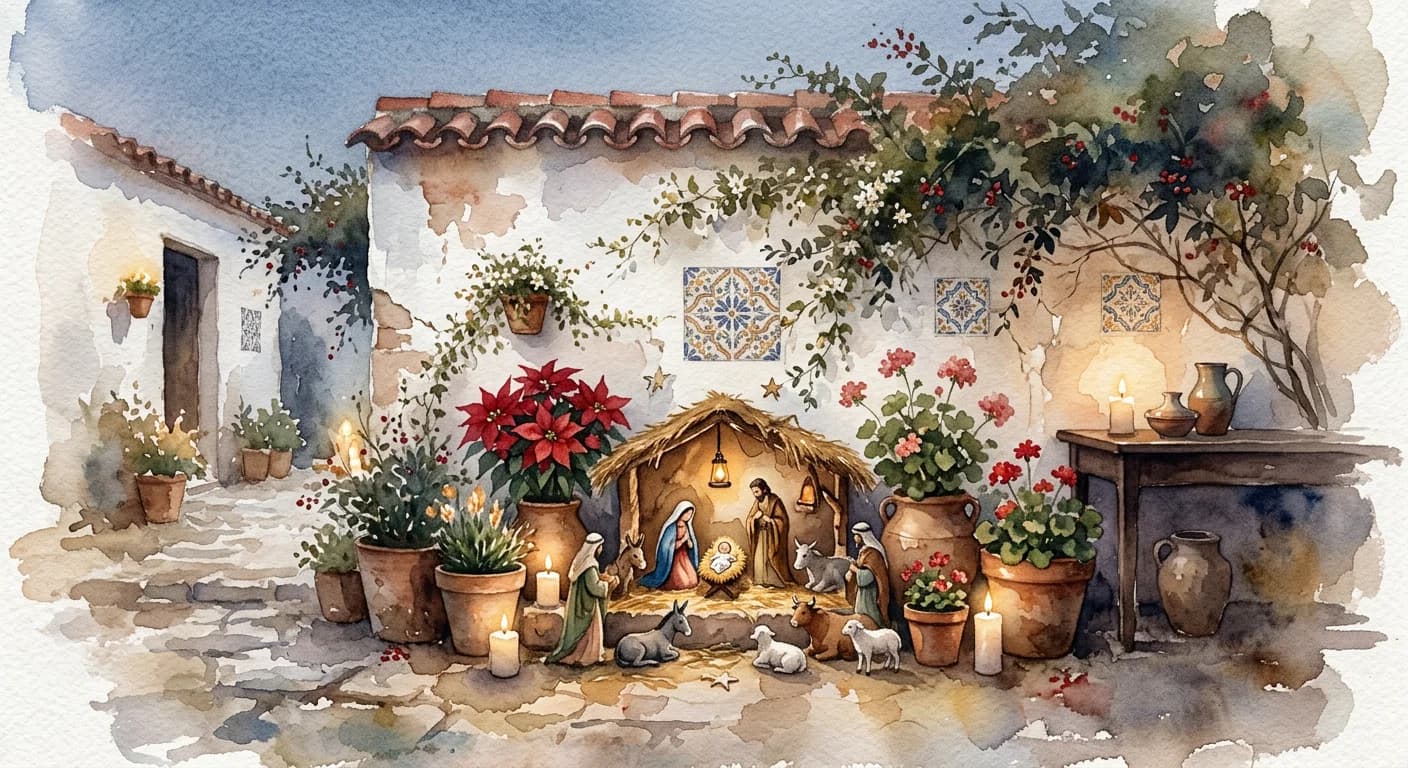
    Artistic representation of Belén
    Spanish•
    🇪🇸Spain

    Belén

    /beh-LEN/

    Meaning

    Beyond its literal translation as 'Bethlehem,' "Belén" in Spanish-speaking cultures evokes the cherished tradition of the Nativity scene. These elaborate, often handcrafted displays, ranging from simple stable depictions to sprawling miniature landscapes with intricate figures, become the heart of Christmas celebrations. The word encapsulates the warmth, wonder, and communal spirit of the holiday season, serving as a tangible representation of faith, family gathering, and the anticipation of Christmas joy.

    Literal Translation

    Bethlehem

    The Story Behind the Word

    The tradition of the "Belén" dates back to St. Francis of Assisi, who created the first living Nativity scene in 1223. It spread to Spain and its colonies, becoming deeply ingrained in Catholic culture. The "Belén" is not merely a decoration; it's a devotional art form, a teaching tool for children, and a focal point for family gatherings. Its existence reveals a culture that deeply values tradition, religious narrative, and the communal experience of faith. The meticulous effort put into creating and displaying a "Belén" signifies a widespread commitment to preserving cultural heritage and celebrating the spiritual essence of Christmas beyond commercialism, emphasizing storytelling and shared experience.

    Experience It

    Family Assembles the Belén

    Every December 8th, the García family gathers, unfolding boxes filled with tiny shepherds, animals, and the Holy Family figures. "¡Vamos a montar el Belén!" shouts little Sofía, as her grandfather carefully places the stable, initiating their beloved annual ritual of meticulously arranging each piece.

    Visiting Local Belenes

    During Christmas week, the town square showcases a magnificent, life-sized "Belén." Families stroll through, admiring the intricate details, from the flowing river to the miniature marketplace. "Look, mamá, there's the caganer!" a child exclaims, pointing to the hidden, traditional figure.

    The Deeper Meaning

    The "Belén" embodies a philosophy that intertwines the sacred with the domestic, grounding spiritual narratives in tangible, relatable artistry. It reflects a cultural emphasis on storytelling, shared ritual, and the intergenerational transmission of values. The act of creating and contemplating the "Belén" fosters a sense of wonder, humility, and the enduring power of faith within the everyday, suggesting that profound meaning can be found in simple, communal acts.

    Did You Know?

    In Catalonia and Valencia, a popular, cheeky figure called "el caganer" (the 'pooper') is often hidden within the Belén, symbolizing good fortune and fertility.

    How It's Used

    Used primarily in Spain and Latin America to refer to a Nativity scene or manger display, especially during the Christmas season.

    Emotions
    gratitude,warmth,wonder
    Contexts
    celebration,family,seasons
    🇪🇸Spain

    by Annelise Dubois·Written Mar 14, 2026·Updated Apr 3, 2026

    Related Words

    Explore more
    HyggeDanish

    Hygge is more than mere coziness; it's a holistic embrace of comfort, warmth, and belonging that nourishes the soul. It describes the intentional creation of an intimate atmosphere where simple pleasures, genuine connection, and mindful presence converge, fostering a profound sense of contentment and well-being. It's about finding joy and peace in the small, everyday moments, often shared with loved ones.

    SaudadePortuguese

    Saudade encapsulates a profound, melancholic longing for something or someone cherished that is absent, often with the bittersweet knowledge that it may never return. It's a deep emotional state tinged with nostalgia, evoking a sense of loss for past experiences, places, or people, yet also holding a tender appreciation for the beauty of what once was. This yearning is not merely sadness, but a complex tapestry of desire, memory, and a poignant acceptance of absence, holding the beloved in a warm, persistent embrace within the heart.

    GezelligDutch

    Gezellig encapsulates a profound sense of warmth, belonging, and convivial comfort, extending beyond mere coziness to embrace the social and emotional atmosphere. It's the feeling of being truly at ease, surrounded by good company, laughter, and a shared sense of contentment. This untranslatable term describes not just a physical space, but a holistic experience where time seems to slow down, fostering genuine connection and a deep sense of well-being.

    Dolce far nienteItalian

    Dolce far niente captures the profound joy and effortless pleasure derived from simply existing without obligation or purpose. It's the art of savoring moments of pure, unadulterated idleness – lying in the sun, watching the clouds drift, or enjoying a leisurely coffee – not as a break from work, but as a valuable state in itself. This 'sweetness of doing nothing' is a conscious embrace of stillness and contentment, allowing the soul to breathe and the senses to fully engage with the present.