U.
HomeRegionsLanguagesEmotionsCollections
Find Your Word

“The limits of my language mean the limits of my world.”

— Ludwig Wittgenstein, Philosopher

Untranslatable

A curated collection of the world's most beautiful expressions—words that remind us language is humanity's greatest invention.

  • Home
  • Collections
  • Regions
  • Countries
  • Emotions
  • Tags
  • Contexts
  • Finder
  • Europe
  • Asia
  • Americas
  • Africa
  • Middle East
  • About
  • Contact
  • Privacy Policy
  • Terms of Service

2026 © Untranslatable. All rights reserved.

    /
    /
    1. Home
    2. /
    3. Europe
    4. /
    5. Cabrón
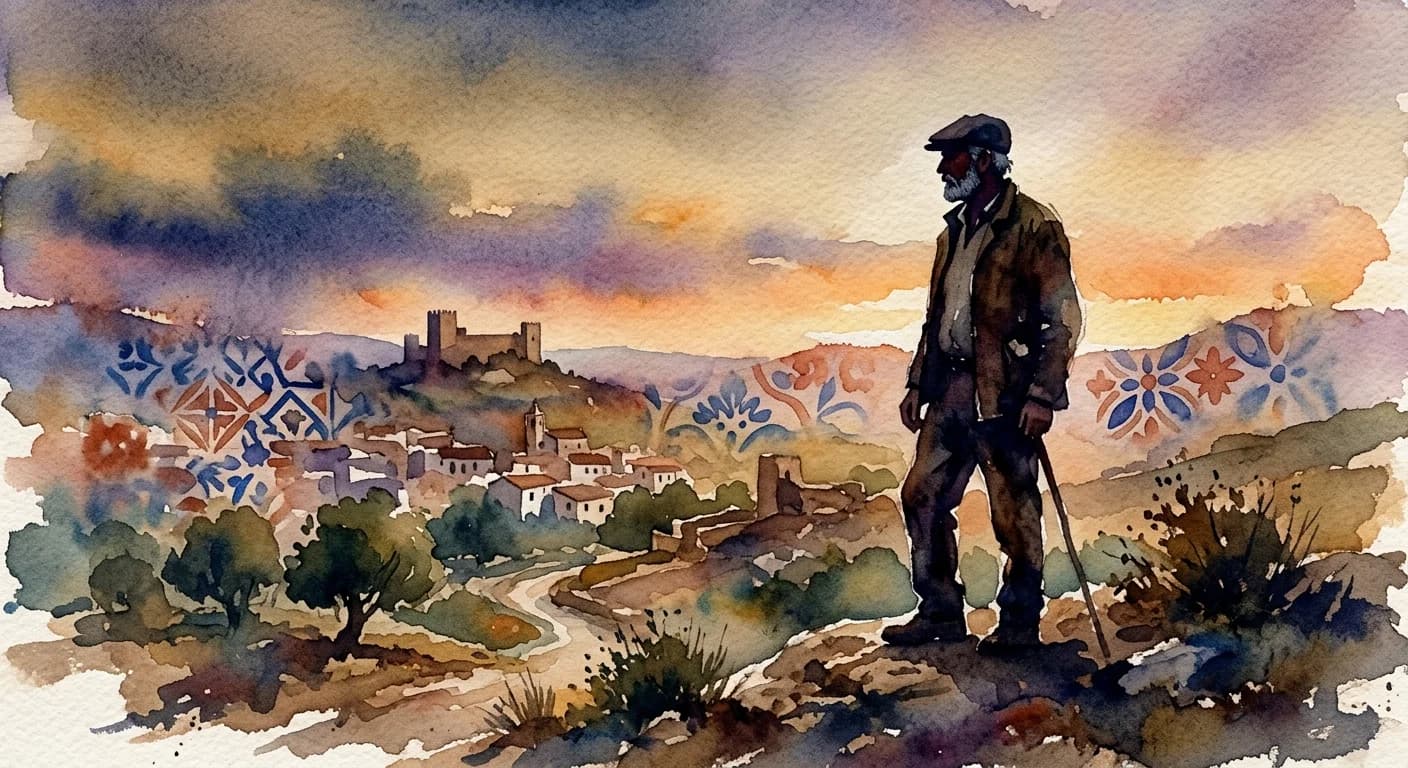
    Artistic representation of Cabrón
    Spanish•
    🇦🇷Argentina🇨🇱Chile🇨🇴Colombia🇨🇷Costa Rica🇨🇺Cuba🇩🇴Dominican Republic🇪🇨Ecuador🇸🇻El Salvador🇬🇹Guatemala🇭🇳Honduras🇲🇽Mexico🇳🇮Nicaragua🇵🇦Panama🇵🇾Paraguay🇵🇪Peru🇵🇷Puerto Rico🇪🇸Spain🇺🇾Uruguay🇻🇪Venezuela

    Cabrón

    /kah-BRON/

    Meaning

    While literally translating to 'big goat,' 'cabrón' is a highly versatile and culturally significant Spanish expletive, far exceeding a simple insult. It can denote a 'bastard' or 'jerk,' yet paradoxically, it also conveys profound admiration for someone's exceptional skill, courage, or shrewdness, akin to calling them a 'badass.' Among close friends, it transforms into a term of robust endearment, signifying a deep, shared understanding and camaraderie, often implying a playful challenge or mutual respect.

    Literal Translation

    Big goat

    The Story Behind the Word

    The complexity of 'cabrón' reflects a cultural landscape where directness, wit, and a certain irreverence are highly valued. Its origin as a 'big goat' might subtly link to the animal's perceived stubbornness or virility, embodying a raw, untamed essence. This word exists because Spanish culture, particularly in Spain, embraces a wide spectrum of emotional expression within its informal lexicon, allowing for a single term to pivot from sharp disdain to profound respect or affection based purely on context, intonation, and relationship. It reveals a worldview that appreciates a nuanced, often theatrical, use of language, where the speaker's intent and the listener's interpretation are paramount, fostering a dynamic and often provocative form of communication.

    Experience It

    Admiration for Skill

    After watching a flamenco guitarist deliver a breathtaking solo, a spectator leans over to his friend and exclaims, '¡Qué cabrón! Ha tocado como los ángeles.' (What a cabrón! He played like an angel.) The word here conveys awe and respect for the guitarist's incredible talent.

    Playful Camaraderie

    Two lifelong friends are joking around. One pulls a harmless prank on the other, who laughs and retorts, 'Eres un cabrón, ¡me la has devuelto!' (You're a cabrón, you got me back!) This usage signifies affection and a shared history of playful rivalry, far from an insult.

    The Deeper Meaning

    The multifaceted nature of 'cabrón' embodies a philosophy of linguistic pragmatism and social agility. It reveals that meaning is not inherent solely in the word itself, but is co-created through social dynamics, shared history, and the speaker's genuine intent. This word underscores a cultural understanding that language is a living, flexible tool, capable of expressing contradictory emotions simultaneously, thus demanding active interpretation and an acute awareness of interpersonal context.

    Did You Know?

    The word 'cabrón' can sometimes be used reflexively, not as a self-insult, but to acknowledge one's own cunning or audacious act, as in '¡Soy un cabrón!' after successfully pulling off a difficult task.

    How It's Used

    Used informally in Spanish-speaking countries, often as an insult, but can also be used to express admiration, surprise, or even camaraderie depending on the context and tone.

    Emotions
    anger,belonging,gratitude
    Contexts
    celebration,conflict,friendship
    🇦🇷Argentina🇨🇱Chile🇨🇴Colombia🇨🇷Costa Rica🇨🇺Cuba🇩🇴Dominican Republic🇪🇨Ecuador🇸🇻El Salvador🇬🇹Guatemala🇭🇳Honduras🇲🇽Mexico🇳🇮Nicaragua🇵🇦Panama🇵🇾Paraguay🇵🇪Peru🇵🇷Puerto Rico🇪🇸Spain🇺🇾Uruguay🇻🇪Venezuela

    by Annelise Dubois·Written Mar 14, 2026·Updated Apr 3, 2026

    Related Words

    Explore more
    HyggeDanish

    Hygge is more than mere coziness; it's a holistic embrace of comfort, warmth, and belonging that nourishes the soul. It describes the intentional creation of an intimate atmosphere where simple pleasures, genuine connection, and mindful presence converge, fostering a profound sense of contentment and well-being. It's about finding joy and peace in the small, everyday moments, often shared with loved ones.

    SaudadePortuguese

    Saudade encapsulates a profound, melancholic longing for something or someone cherished that is absent, often with the bittersweet knowledge that it may never return. It's a deep emotional state tinged with nostalgia, evoking a sense of loss for past experiences, places, or people, yet also holding a tender appreciation for the beauty of what once was. This yearning is not merely sadness, but a complex tapestry of desire, memory, and a poignant acceptance of absence, holding the beloved in a warm, persistent embrace within the heart.

    GezelligDutch

    Gezellig encapsulates a profound sense of warmth, belonging, and convivial comfort, extending beyond mere coziness to embrace the social and emotional atmosphere. It's the feeling of being truly at ease, surrounded by good company, laughter, and a shared sense of contentment. This untranslatable term describes not just a physical space, but a holistic experience where time seems to slow down, fostering genuine connection and a deep sense of well-being.

    Dolce far nienteItalian

    Dolce far niente captures the profound joy and effortless pleasure derived from simply existing without obligation or purpose. It's the art of savoring moments of pure, unadulterated idleness – lying in the sun, watching the clouds drift, or enjoying a leisurely coffee – not as a break from work, but as a valuable state in itself. This 'sweetness of doing nothing' is a conscious embrace of stillness and contentment, allowing the soul to breathe and the senses to fully engage with the present.