U.
HomeRegionsLanguagesEmotionsCollections
Find Your Word

“The limits of my language mean the limits of my world.”

— Ludwig Wittgenstein, Philosopher

Untranslatable

A curated collection of the world's most beautiful expressions—words that remind us language is humanity's greatest invention.

  • Home
  • Collections
  • Regions
  • Countries
  • Emotions
  • Tags
  • Contexts
  • Finder
  • Europe
  • Asia
  • Americas
  • Africa
  • Middle East
  • About
  • Contact
  • Privacy Policy
  • Terms of Service

2026 © Untranslatable. All rights reserved.

    /
    /
    1. Home
    2. /
    3. Europe
    4. /
    5. Cenacolo
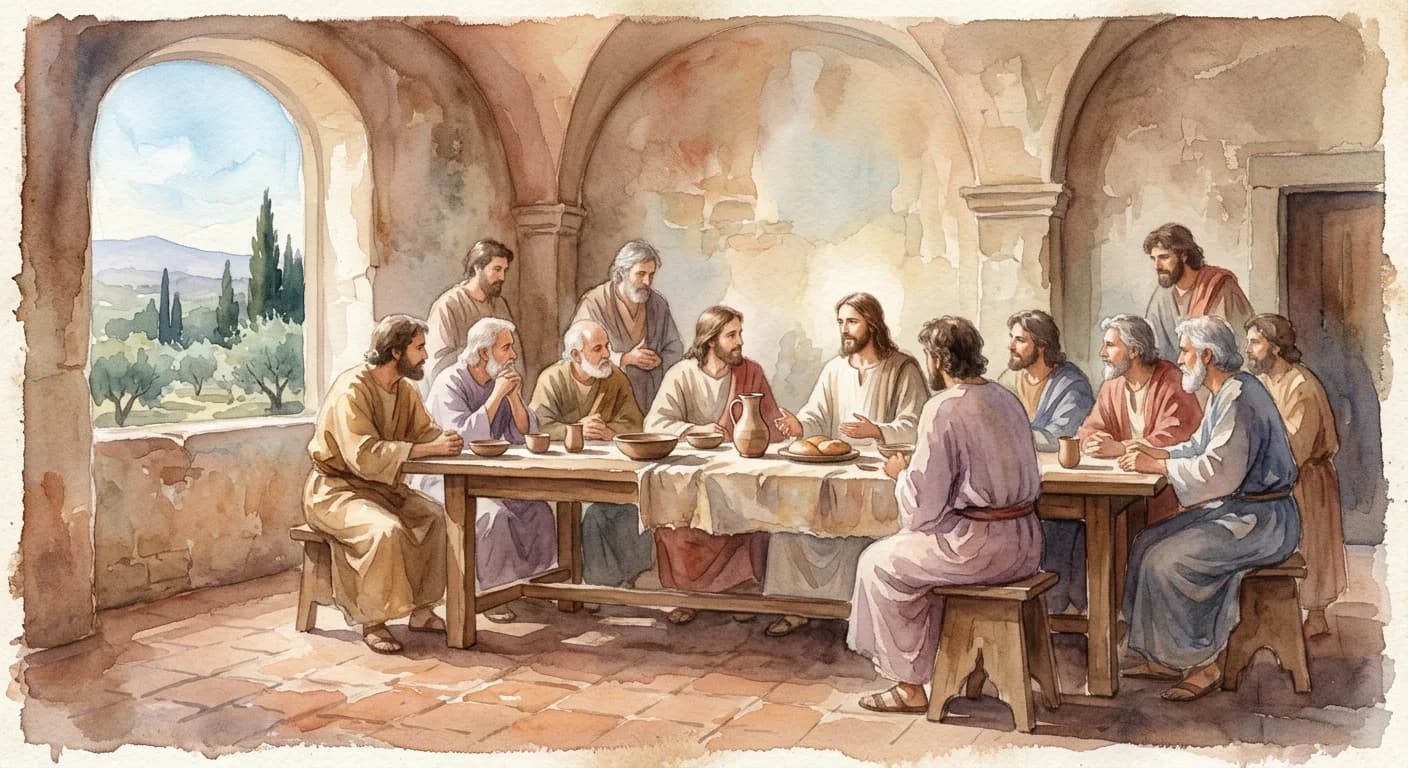
    Artistic representation of Cenacolo
    Italian•
    🇮🇹Italy

    Cenacolo

    /cheh-NAH-koh-loh/

    Meaning

    Cenacolo transcends a mere translation of 'Last Supper'; it embodies the sacred space where Christ shared his final meal with his apostles, a moment pregnant with spiritual revelation and impending sacrifice. It evokes not just the biblical event, but the profound solemnity, reflection, and spiritual significance imbued in that specific room or setting. This word resonates with centuries of Italian artistic, historical, and religious tradition, becoming a powerful symbol of devotion, shared humanity, and the enduring mystery of faith.

    Literal Translation

    Last Supper

    The Story Behind the Word

    The word 'Cenacolo' is deeply woven into the fabric of Italian culture, particularly through its profound connection to art and religious devotion. Italy, as the heart of Catholicism, has countless artistic representations of the Last Supper, from Leonardo da Vinci's iconic fresco to countless others in churches and monasteries. These artworks are not merely illustrations; they are objects of contemplation, designed to immerse the viewer in the spiritual weight of the event. The existence of 'Cenacolo' as a specific term for the room itself underscores a cultural reverence for sacred spaces and the belief that certain locations retain a spiritual resonance from the events that transpired within them. It reveals a worldview where the spiritual and the physical are intimately linked, and where art serves as a conduit for accessing profound religious truths and historical memory.

    Experience It

    Visiting a Sacred Site

    During our trip to Florence, we made sure to visit the Refectory of Santa Croce. Standing before the fresco, my grandmother whispered, 'This is a true cenacolo, a place for quiet contemplation and remembrance.'

    Art History Lecture

    The professor lectured on Renaissance art, emphasizing how each artist interpreted the 'cenacolo' not just as a meal, but as a moment of profound psychological and spiritual drama. He highlighted the careful composition of figures within the hallowed space.

    The Deeper Meaning

    The 'Cenacolo' reflects a worldview where the physical environment can become imbued with spiritual significance, transforming a mere room into a sacred relic. It suggests that certain moments in history, particularly those of profound spiritual or human consequence, leave an indelible mark on their surroundings. This concept emphasizes the intertwining of space, memory, and divine presence, inviting contemplation on the enduring power of historical events and their ability to shape contemporary spiritual experience.

    Did You Know?

    Did you know that many monasteries in Italy have a 'cenacolo' – a refectory or dining hall – often adorned with a fresco of the Last Supper, serving as a daily reminder for the monastic community?

    How It's Used

    Used to refer to the Last Supper, particularly in artistic or historical contexts, and also to describe the specific room or location where the event occurred.

    Emotions
    gratitude,peace,wonder
    Contexts
    celebration,dining,religion
    🇮🇹Italy

    by Sofia Rossi·Written Mar 14, 2026·Updated Apr 3, 2026

    Related Words

    Explore more
    HyggeDanish

    Hygge is more than mere coziness; it's a holistic embrace of comfort, warmth, and belonging that nourishes the soul. It describes the intentional creation of an intimate atmosphere where simple pleasures, genuine connection, and mindful presence converge, fostering a profound sense of contentment and well-being. It's about finding joy and peace in the small, everyday moments, often shared with loved ones.

    SaudadePortuguese

    Saudade encapsulates a profound, melancholic longing for something or someone cherished that is absent, often with the bittersweet knowledge that it may never return. It's a deep emotional state tinged with nostalgia, evoking a sense of loss for past experiences, places, or people, yet also holding a tender appreciation for the beauty of what once was. This yearning is not merely sadness, but a complex tapestry of desire, memory, and a poignant acceptance of absence, holding the beloved in a warm, persistent embrace within the heart.

    GezelligDutch

    Gezellig encapsulates a profound sense of warmth, belonging, and convivial comfort, extending beyond mere coziness to embrace the social and emotional atmosphere. It's the feeling of being truly at ease, surrounded by good company, laughter, and a shared sense of contentment. This untranslatable term describes not just a physical space, but a holistic experience where time seems to slow down, fostering genuine connection and a deep sense of well-being.

    Dolce far nienteItalian

    Dolce far niente captures the profound joy and effortless pleasure derived from simply existing without obligation or purpose. It's the art of savoring moments of pure, unadulterated idleness – lying in the sun, watching the clouds drift, or enjoying a leisurely coffee – not as a break from work, but as a valuable state in itself. This 'sweetness of doing nothing' is a conscious embrace of stillness and contentment, allowing the soul to breathe and the senses to fully engage with the present.