Copla
/KOH-plah/
Meaning
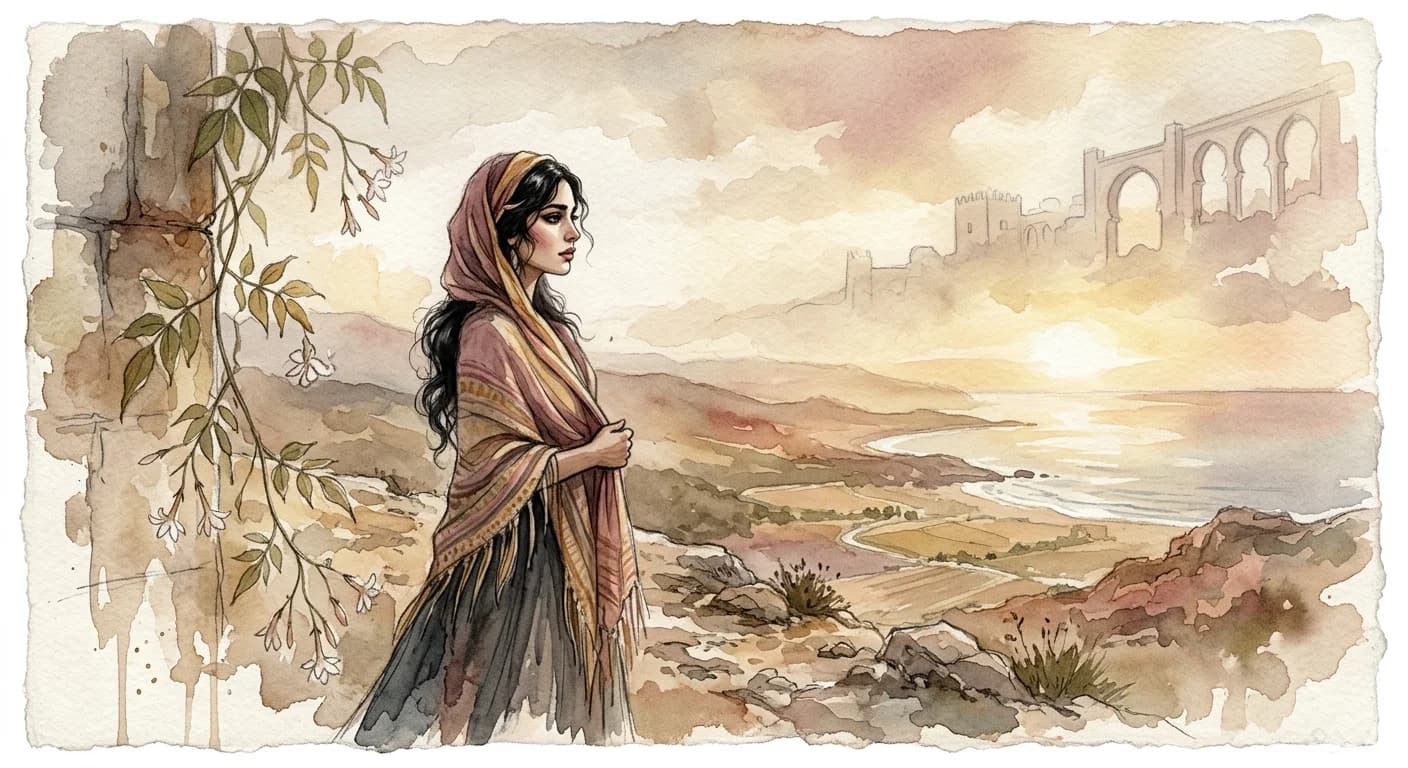
A 'copla' is far more than a simple song; it's a vibrant, narrative Spanish folk song, deeply rooted in the popular poetic tradition, especially of Andalusia. These emotionally charged verses, often direct and poignant, weave tales of love, loss, betrayal, and the raw, unvarnished experiences of everyday life. It embodies an authentic expression of human emotion, resonating profoundly with the common person and forming a cornerstone of Spain's rich cultural heritage.
Literal Translation
Verse or stanza (in poetry or song)
The Story Behind the Word
The copla emerged from a confluence of ancient oral traditions, Moorish influences, and the popular poetry of the Golden Age, flourishing particularly in 19th and 20th century Spain. It became the voice of the people, especially the working classes, offering solace, entertainment, and a platform for expressing universal human dramas. Its existence reflects a culture that values storytelling, emotional authenticity, and the shared experience of joy and suffering. The copla reveals a Spanish worldview where life's complexities are not shied away from but embraced and articulated through art, often with a dramatic flair and a deep sense of fatalism. It’s a testament to resilience and the enduring power of popular art forms.
Experience It
Grandmother's Lament
At a family gathering, Abuela, with a faraway look in her eyes, begins to hum a melancholic tune. She then sings a copla about a love lost to time, her voice cracking with emotion, and everyone listens in respectful silence, understanding the echo of her own life story in the song.
Festival Street Performance
During a local fiesta in Seville, a street musician, guitar in hand, launches into a lively copla. The lyrics, full of witty observations about local life and a dash of unrequited love, draw a crowd, who clap along, some even singing the chorus, sharing in the collective experience.
The Deeper Meaning
The copla embodies a philosophy that life, in all its raw and often painful reality, is worth singing about. It reveals a cultural acceptance of suffering and joy as intertwined, and a belief in the cathartic power of shared narrative and emotional expression. It's a testament to the idea that true art emerges from the lived experience of the common person.
Did You Know?
During the Franco regime, coplas were often censored or used for propaganda, yet they continued to thrive, sometimes subtly conveying messages of defiance or longing for freedom.
How It's Used
Used to refer to a specific genre of Spanish folk song, characterized by its poetic lyrics and often melancholic or dramatic themes.