U.
HomeRegionsLanguagesEmotionsCollections
Find Your Word

“The limits of my language mean the limits of my world.”

— Ludwig Wittgenstein, Philosopher

Untranslatable

A curated collection of the world's most beautiful expressions—words that remind us language is humanity's greatest invention.

  • Home
  • Collections
  • Regions
  • Countries
  • Emotions
  • Tags
  • Contexts
  • Finder
  • Europe
  • Asia
  • Americas
  • Africa
  • Middle East
  • About
  • Contact
  • Privacy Policy
  • Terms of Service

2026 © Untranslatable. All rights reserved.

    /
    /
    1. Home
    2. /
    3. Europe
    4. /
    5. Destartalado
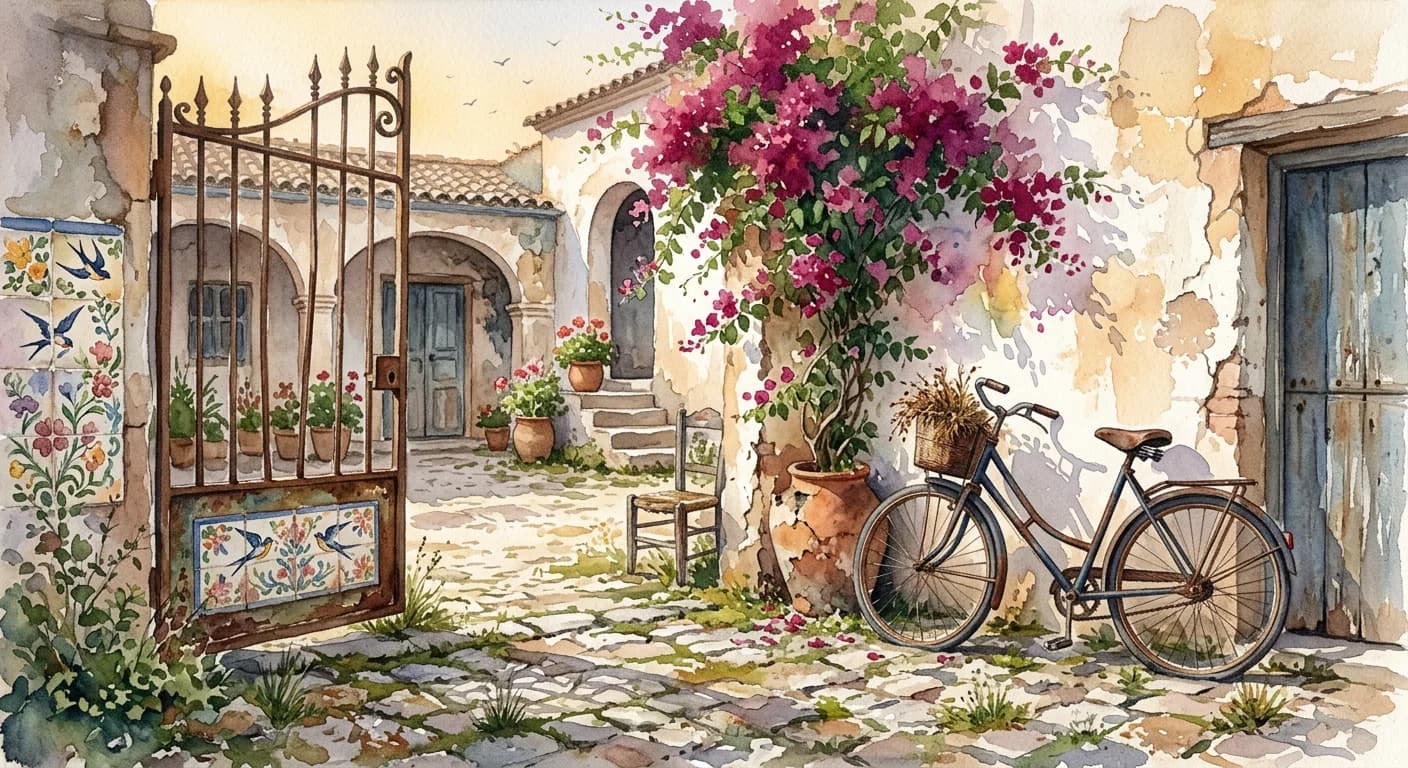
    Artistic representation of Destartalado
    Spanish•
    🇦🇷Argentina🇧🇴Bolivia🇨🇱Chile🇨🇴Colombia🇨🇷Costa Rica🇨🇺Cuba🇩🇴Dominican Republic🇪🇨Ecuador🇸🇻El Salvador🇬🇹Guatemala🇭🇳Honduras🇲🇽Mexico🇳🇮Nicaragua🇵🇦Panama🇵🇾Paraguay🇵🇪Peru🇵🇷Puerto Rico🇪🇸Spain🇺🇾Uruguay🇻🇪Venezuela

    Destartalado

    /des-tar-tah-LAH-doh/

    Meaning

    Destartalado paints a picture of something delightfully disheveled, teetering on the edge of collapse but stubbornly holding on. It describes objects, vehicles, or even people that are in a state of endearing disrepair, often with a visible history of wear and tear. Far beyond mere 'broken,' it evokes a sense of character forged through imperfection, suggesting a charming lack of pristine order and a resilient, if precarious, functionality. It's a visual and emotional descriptor, hinting at a story behind the rickety facade.

    Literal Translation

    Disjointed, rickety, dilapidated

    The Story Behind the Word

    The existence of "destartalado" in Spanish culture speaks volumes about a certain appreciation for resilience, history, and the imperfect. In many parts of Spain, particularly in older towns and rural areas, things are repaired, repurposed, and kept going long past their prime, rather than being discarded. This isn't just about economic necessity; it's a cultural inclination to value the worn, the lived-in, and the object that tells a story through its imperfections. It reflects a less consumerist mindset where an object's utility and history often outweigh its aesthetic perfection. The word embodies a recognition of the charm in imperfection, a tolerance for disarray that isn't necessarily negative, but rather a sign of life and continued use. It suggests a certain pragmatism mixed with an affectionate acceptance of things as they are, rather than a constant striving for newness or flawless order.

    Experience It

    The Old Fishing Boat

    Pepe's fishing boat, 'El Rompeolas,' was utterly destartalado. Its paint was peeling, the mast leaned precariously, and it chugged along with a wheezing engine, yet it always brought in the day's catch, a testament to Pepe's stubborn maintenance and the boat's enduring spirit.

    Grandma's Kitchen

    Abuela's kitchen was a destartalado wonderland of mismatched chairs, a wobbly table laden with ingredients, and shelves overflowing with jars. Despite the apparent chaos, she always knew where everything was, and from it emerged the most delicious, comforting meals.

    The Deeper Meaning

    This word reveals a cultural philosophy that embraces imperfection and finds beauty in resilience. It suggests a worldview where things are valued not just for their pristine state, but for their continued existence and the stories etched into their wear and tear. It implies a comfortable acceptance of the ebb and flow of life, recognizing that not everything needs to be perfectly ordered or new to possess value and charm.

    Did You Know?

    The root 'tartalear' means 'to wobble' or 'to totter,' giving 'destartalado' a built-in sense of precarious, charming instability.

    How It's Used

    Used to describe objects, vehicles, buildings, or even people that are in a state of disrepair or disarray, often implying a charming or humorous lack of order or structural integrity.

    Emotions
    bittersweet,melancholy,warmth
    Contexts
    dining,travel,work
    🇦🇷Argentina🇧🇴Bolivia🇨🇱Chile🇨🇴Colombia🇨🇷Costa Rica🇨🇺Cuba🇩🇴Dominican Republic🇪🇨Ecuador🇸🇻El Salvador🇬🇹Guatemala🇭🇳Honduras🇲🇽Mexico🇳🇮Nicaragua🇵🇦Panama🇵🇾Paraguay🇵🇪Peru🇵🇷Puerto Rico🇪🇸Spain🇺🇾Uruguay🇻🇪Venezuela

    by Sofia Rossi·Written Mar 14, 2026·Updated Apr 3, 2026

    Related Words

    Explore more
    HyggeDanish

    Hygge is more than mere coziness; it's a holistic embrace of comfort, warmth, and belonging that nourishes the soul. It describes the intentional creation of an intimate atmosphere where simple pleasures, genuine connection, and mindful presence converge, fostering a profound sense of contentment and well-being. It's about finding joy and peace in the small, everyday moments, often shared with loved ones.

    SaudadePortuguese

    Saudade encapsulates a profound, melancholic longing for something or someone cherished that is absent, often with the bittersweet knowledge that it may never return. It's a deep emotional state tinged with nostalgia, evoking a sense of loss for past experiences, places, or people, yet also holding a tender appreciation for the beauty of what once was. This yearning is not merely sadness, but a complex tapestry of desire, memory, and a poignant acceptance of absence, holding the beloved in a warm, persistent embrace within the heart.

    GezelligDutch

    Gezellig encapsulates a profound sense of warmth, belonging, and convivial comfort, extending beyond mere coziness to embrace the social and emotional atmosphere. It's the feeling of being truly at ease, surrounded by good company, laughter, and a shared sense of contentment. This untranslatable term describes not just a physical space, but a holistic experience where time seems to slow down, fostering genuine connection and a deep sense of well-being.

    Dolce far nienteItalian

    Dolce far niente captures the profound joy and effortless pleasure derived from simply existing without obligation or purpose. It's the art of savoring moments of pure, unadulterated idleness – lying in the sun, watching the clouds drift, or enjoying a leisurely coffee – not as a break from work, but as a valuable state in itself. This 'sweetness of doing nothing' is a conscious embrace of stillness and contentment, allowing the soul to breathe and the senses to fully engage with the present.