U.
HomeRegionsLanguagesEmotionsCollections
Find Your Word

“The limits of my language mean the limits of my world.”

— Ludwig Wittgenstein, Philosopher

Untranslatable

A curated collection of the world's most beautiful expressions—words that remind us language is humanity's greatest invention.

  • Home
  • Collections
  • Regions
  • Countries
  • Emotions
  • Tags
  • Contexts
  • Finder
  • Europe
  • Asia
  • Americas
  • Africa
  • Middle East
  • About
  • Contact
  • Privacy Policy
  • Terms of Service

2026 © Untranslatable. All rights reserved.

    /
    /
    1. Home
    2. /
    3. Asia
    4. /
    5. Dongba
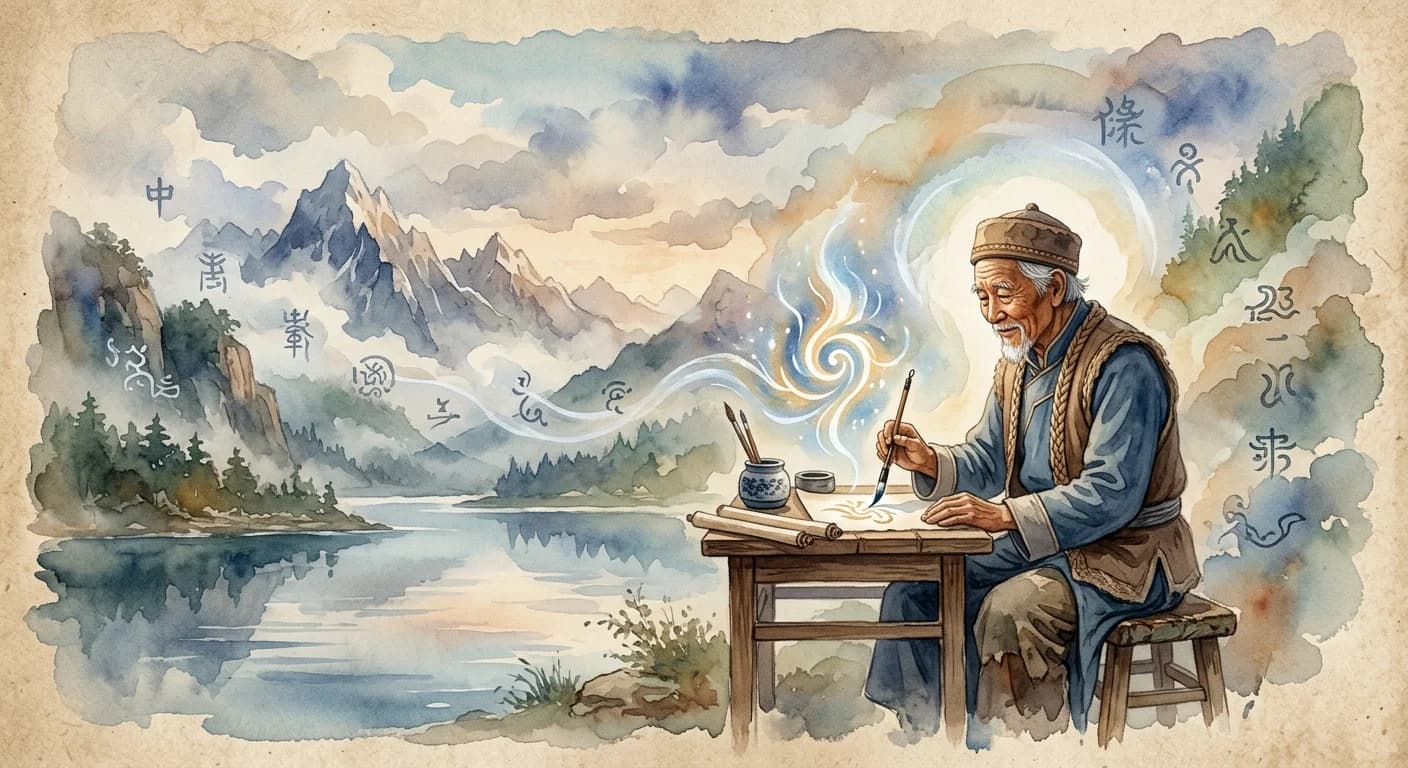
    Artistic representation of Dongba
    Naxi•
    🇨🇳China

    Dongba

    /DONG-bah/

    Meaning

    Dongba refers to the vibrant, holistic spiritual and cultural system of the Naxi people, centered around their indigenous religion, a unique pictographic script, and the revered priests who practice it. This sacred tradition is not merely a writing system but a living repository of Naxi cosmology, history, and spiritual connection to nature, serving as both a visual language and a ritualistic guide. It encapsulates their understanding of the universe, their ancestral heritage, and the intricate balance required for communal well-being, passed down through generations.

    Literal Translation

    The term 'Dongba' itself is derived from the Naxi language and refers to the spiritual leaders and the religious system they uphold.

    The Story Behind the Word

    The Dongba tradition is the very soul of Naxi identity, rooted in an animistic worldview where spirits inhabit every aspect of nature. Its existence reflects a profound respect for the natural world and a desire to maintain harmony between humans, spirits, and the cosmos. The script, with its intricate pictograms, isn't just for recording but for enacting rituals, summoning deities, and communicating with the unseen. The Dongba priests, as custodians of this knowledge, are not just religious figures but historians, artists, and healers, embodying the collective memory and spiritual guidance for their community. This tradition has persisted for centuries, safeguarding Naxi culture against external influences and providing a continuous link to their ancient past, profoundly shaping how they view life, death, and their place in the world.

    Experience It

    Blessing a New Home

    The family gathered as the Dongba priest meticulously painted sacred symbols onto paper, chanting ancient prayers. These pictograms, depicting protective spirits and good fortune, were then hung above the doorway, inviting harmony and warding off malevolent forces into their newly built dwelling.

    Recalling Ancient Tales

    Around the crackling fire, a young Naxi child listened intently as the elder Dongba priest unrolled a scroll. His finger traced the vibrant, stylized images, each one a visual cue for a complex narrative about the creation of the world, epic heroes, and the wisdom of their ancestors, bringing history to life.

    The Deeper Meaning

    Dongba reveals a worldview where the sacred is interwoven with the mundane, and the written word transcends mere communication to become a conduit for spiritual power and cosmic interaction. It underscores a philosophy of interconnectedness—between humans, nature, and the spiritual realm—where knowledge is not just acquired but performed and embodied to maintain equilibrium and continuity across generations.

    Did You Know?

    The Dongba script is one of the last living pictographic writing systems in the world, with some characters directly resembling the objects they represent, making it incredibly visually evocative.

    How It's Used

    Used to refer to the Naxi people's indigenous religion, their unique pictographic writing system, and the priests who practice it.

    Emotions
    belonging,gratitude,wonder
    Contexts
    cultural identity,history,religion,storytelling
    🇨🇳China

    by Annelise Dubois·Written Mar 14, 2026·Updated Apr 3, 2026

    Related Words

    Explore more
    SobremesaSpanish

    Sobremesa is the cherished, often extended period immediately following a meal, particularly lunch or dinner, where diners remain seated at the table to enjoy conversation, coffee, and digest not just the food, but the company itself. It’s a dedicated time for unhurried social bonding, storytelling, and shared laughter, transforming a simple meal into a profound communal experience. Far from just clearing the dishes, sobremesa is an integral part of Spanish social life, often lasting for hours.

    Wabi-sabiJapanese

    Wabi-sabi is the profound appreciation for the ephemeral, the imperfect, and the incomplete aspects of existence. It is about discovering beauty in the subtle textures of age, the unique character of flaws, and the gentle decay that marks the passage of time. This philosophy encourages a quiet acceptance of impermanence and a mindful connection to the natural world, finding elegance in simplicity and authenticity.

    IkigaiJapanese

    Ikigai is more than just a reason to get out of bed; it's a deeply personal and evolving sense of purpose that brings genuine fulfillment and joy to one's life. It represents the sweet spot where your passions, talents, needs of the world, and what you can be paid for beautifully converge. Discovering your ikigai often leads to a life lived with intentionality, resilience, and a profound connection to one's contributions. It's the intrinsic motivation that fuels a meaningful existence, regardless of external circumstances.

    NunchiKorean

    Nunchi is the sophisticated, almost telepathic, ability to instantly grasp the unspoken dynamics of any social situation, anticipating others' thoughts and feelings, and then responding with impeccable grace and timing. It's an acute form of social intuition, allowing one to navigate complex interpersonal landscapes by reading subtle cues like body language, tone, and context. Possessing good nunchi means effortlessly understanding the underlying emotional currents and adjusting one's behavior to maintain harmony and effectiveness, often without a single word exchanged.