U.
HomeRegionsLanguagesEmotionsCollections
Find Your Word

“The limits of my language mean the limits of my world.”

— Ludwig Wittgenstein, Philosopher

Untranslatable

A curated collection of the world's most beautiful expressions—words that remind us language is humanity's greatest invention.

  • Home
  • Collections
  • Regions
  • Countries
  • Emotions
  • Tags
  • Contexts
  • Finder
  • Europe
  • Asia
  • Americas
  • Africa
  • Middle East
  • About
  • Contact
  • Privacy Policy
  • Terms of Service

2026 © Untranslatable. All rights reserved.

    /
    /
    1. Home
    2. /
    3. Europe
    4. /
    5. Desalmado
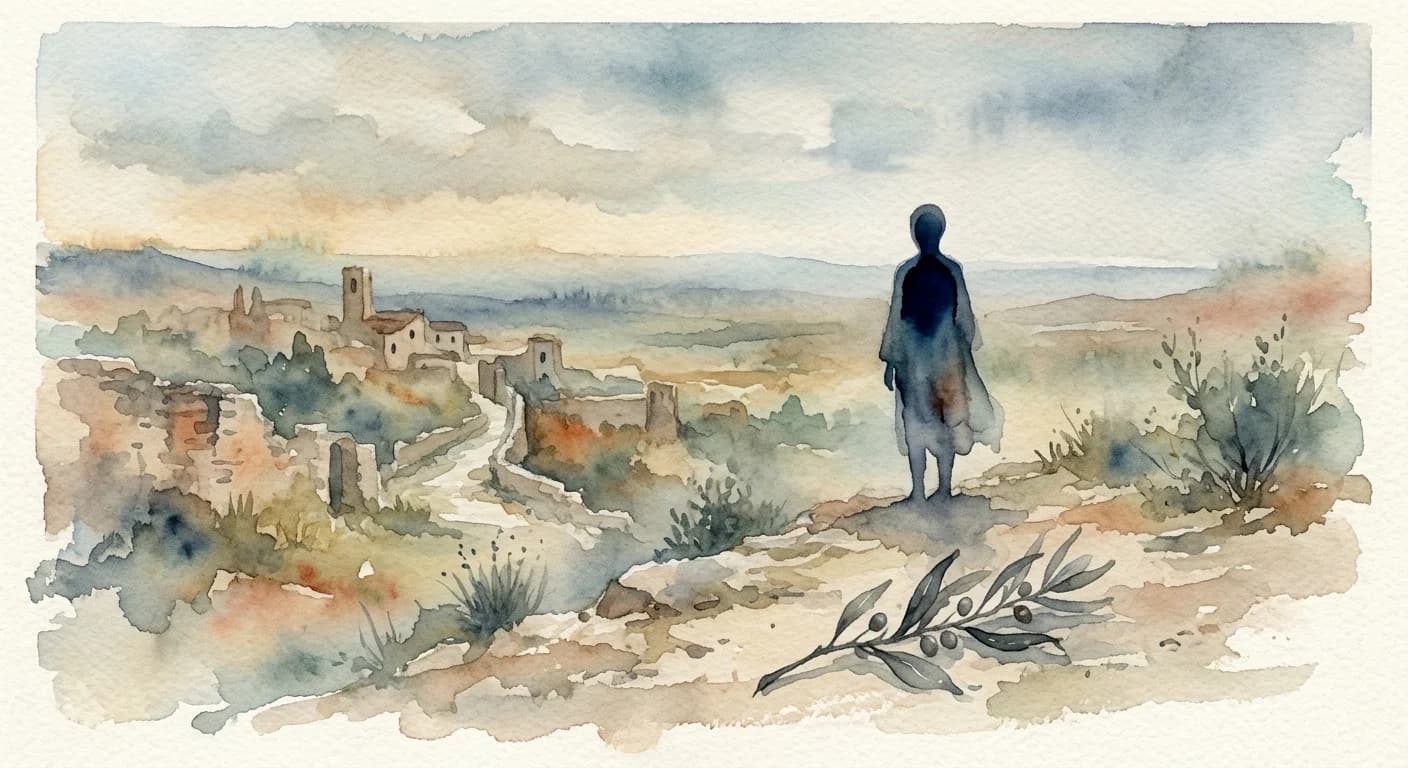
    Artistic representation of Desalmado
    Spanish•
    🇦🇷Argentina🇧🇴Bolivia🇨🇱Chile🇨🇴Colombia🇨🇷Costa Rica🇨🇺Cuba🇩🇴Dominican Republic🇪🇨Ecuador🇸🇻El Salvador🇬🇹Guatemala🇭🇳Honduras🇲🇽Mexico🇳🇮Nicaragua🇵🇦Panama🇵🇾Paraguay🇵🇪Peru🇵🇷Puerto Rico🇪🇸Spain🇺🇾Uruguay🇻🇪Venezuela

    Desalmado

    /des-al-MAH-doh/

    Meaning

    The Spanish word 'desalmado' transcends mere heartlessness; it describes an individual utterly bankrupt of soul, conscience, and compassion. It evokes a chilling image of a person whose humanity has been profoundly eroded, acting with extreme cruelty and malice as if an essential inner light has been extinguished. Such a person seems incapable of empathy or remorse, their actions stemming from a profound, almost terrifying, absence of moral guidance that marks them as fundamentally wicked.

    Literal Translation

    Soulless

    The Story Behind the Word

    The concept of 'desalmado' is deeply rooted in Spain's Catholic heritage, where the soul (alma) is considered the divine essence of a human being. To be 'soulless' is not merely a metaphor for cruelty, but touches upon a theological void, suggesting a person has either willingly or unwillingly severed their connection to divine grace and intrinsic goodness. This word exists because Spanish culture places a high value on empathy, community, and the inherent dignity of the human person, often viewing profound wickedness as a spiritual failing rather than just a psychological one. It reflects a worldview where evil is not just an act, but a state of being, a corruption of one's very essence, and signifies a profound breach of the social and spiritual contract.

    Experience It

    Heartless Landlord Eviction

    Despite the family's pleas and their dire financial situation, the landlord, a truly desalmado man, ordered their immediate eviction. He watched impassively as their belongings were put on the street, showing not a flicker of concern for the children or their desperate mother.

    Cruel Animal Abuse

    The villagers were horrified by the senseless cruelty inflicted upon the stray dog. They described the perpetrator as 'un desalmado' for torturing the animal without any apparent reason or remorse, a true testament to his lack of a moral compass.

    The Deeper Meaning

    This word reveals a worldview where humanity is intrinsically linked to a capacity for empathy and moral conscience, often seen as an 'alma' or soul. To be 'desalmado' challenges the very definition of being human, suggesting that profound wickedness is not just an aberration of behavior but a fundamental corruption of one's inner being, hinting at a spiritual dimension to morality and evil.

    Did You Know?

    While 'desalmado' literally means 'soulless,' it doesn't imply a supernatural entity but rather a human being so devoid of empathy they seem to lack a fundamental spiritual core.

    How It's Used

    Used to describe someone who has committed a cruel, inhumane, or particularly wicked act, or someone who shows no remorse or empathy for their actions.

    Emotions
    anger,melancholy
    Contexts
    conflict,daily life,work
    🇦🇷Argentina🇧🇴Bolivia🇨🇱Chile🇨🇴Colombia🇨🇷Costa Rica🇨🇺Cuba🇩🇴Dominican Republic🇪🇨Ecuador🇸🇻El Salvador🇬🇹Guatemala🇭🇳Honduras🇲🇽Mexico🇳🇮Nicaragua🇵🇦Panama🇵🇾Paraguay🇵🇪Peru🇵🇷Puerto Rico🇪🇸Spain🇺🇾Uruguay🇻🇪Venezuela

    by Sofia Rossi·Written Mar 14, 2026·Updated Apr 3, 2026

    Related Words

    Explore more
    HyggeDanish

    Hygge is more than mere coziness; it's a holistic embrace of comfort, warmth, and belonging that nourishes the soul. It describes the intentional creation of an intimate atmosphere where simple pleasures, genuine connection, and mindful presence converge, fostering a profound sense of contentment and well-being. It's about finding joy and peace in the small, everyday moments, often shared with loved ones.

    SaudadePortuguese

    Saudade encapsulates a profound, melancholic longing for something or someone cherished that is absent, often with the bittersweet knowledge that it may never return. It's a deep emotional state tinged with nostalgia, evoking a sense of loss for past experiences, places, or people, yet also holding a tender appreciation for the beauty of what once was. This yearning is not merely sadness, but a complex tapestry of desire, memory, and a poignant acceptance of absence, holding the beloved in a warm, persistent embrace within the heart.

    GezelligDutch

    Gezellig encapsulates a profound sense of warmth, belonging, and convivial comfort, extending beyond mere coziness to embrace the social and emotional atmosphere. It's the feeling of being truly at ease, surrounded by good company, laughter, and a shared sense of contentment. This untranslatable term describes not just a physical space, but a holistic experience where time seems to slow down, fostering genuine connection and a deep sense of well-being.

    Dolce far nienteItalian

    Dolce far niente captures the profound joy and effortless pleasure derived from simply existing without obligation or purpose. It's the art of savoring moments of pure, unadulterated idleness – lying in the sun, watching the clouds drift, or enjoying a leisurely coffee – not as a break from work, but as a valuable state in itself. This 'sweetness of doing nothing' is a conscious embrace of stillness and contentment, allowing the soul to breathe and the senses to fully engage with the present.