U.
HomeRegionsLanguagesEmotionsCollections
Find Your Word

“The limits of my language mean the limits of my world.”

— Ludwig Wittgenstein, Philosopher

Untranslatable

A curated collection of the world's most beautiful expressions—words that remind us language is humanity's greatest invention.

  • Home
  • Collections
  • Regions
  • Countries
  • Emotions
  • Tags
  • Contexts
  • Finder
  • Europe
  • Asia
  • Americas
  • Africa
  • Middle East
  • About
  • Contact
  • Privacy Policy
  • Terms of Service

2026 © Untranslatable. All rights reserved.

    /
    /
    1. Home
    2. /
    3. Europe
    4. /
    5. Rompicoglioni
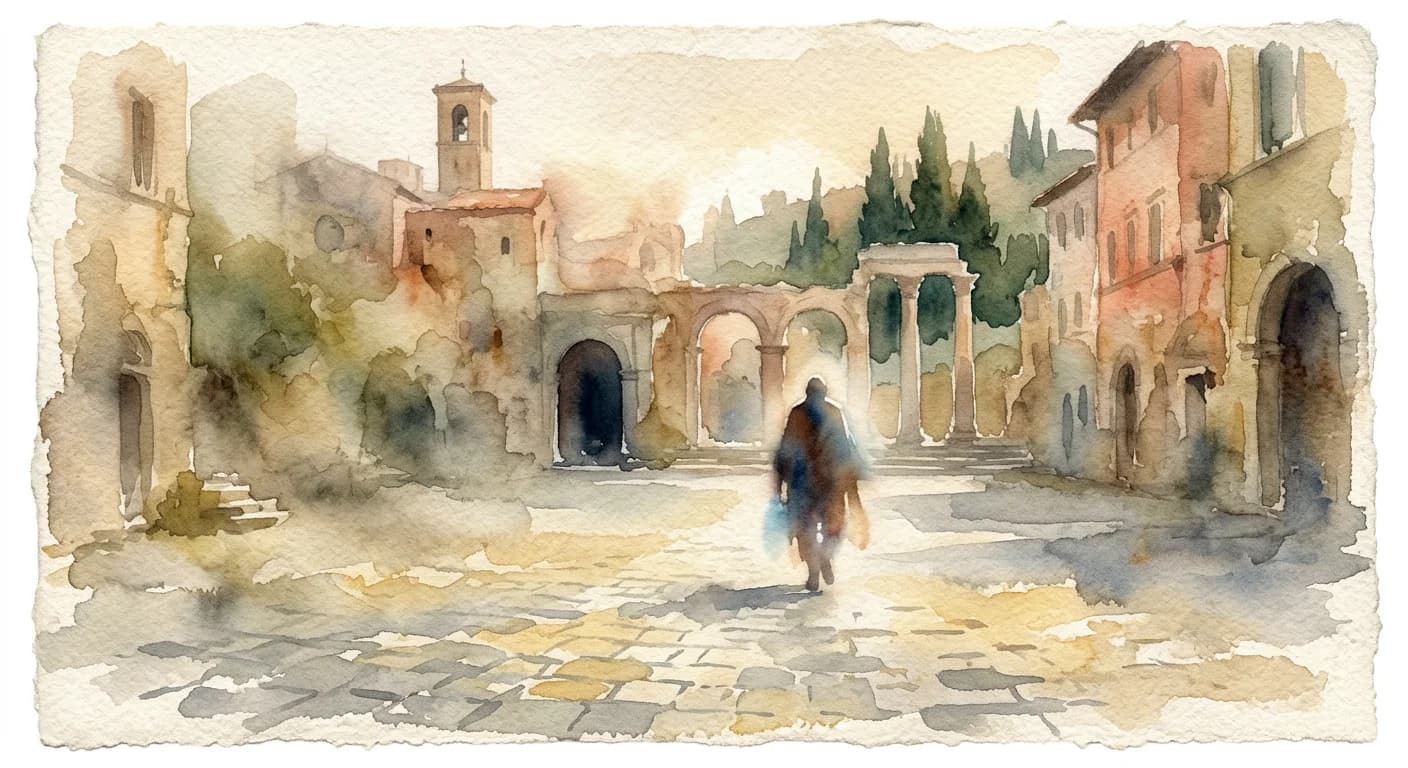
    Artistic representation of Rompicoglioni
    Italian•
    🇮🇹Italy

    Rompicoglioni

    /rom-pee-koh-LYO-nee/

    Meaning

    This Italian vulgarism, literally translating to "ball-breaker," describes someone who is a relentless and profound source of irritation. It's not merely an annoyance, but a person whose actions or words persistently grate on one's nerves, causing deep exasperation and a visceral sense of being worn down. It captures the essence of someone who is a tedious bore, constantly interfering, or deliberately provocative, pushing the boundaries of patience to an unbearable degree.

    Literal Translation

    Ball-breaker

    The Story Behind the Word

    The existence and common usage of "rompicoglioni" in Italian culture speak volumes about the value placed on tranquility, harmony, and the avoidance of unnecessary friction in daily life. Italy, with its emphasis on social interaction, family, and community, also has a low tolerance for those who disrupt this equilibrium through petty annoyances or persistent negativity. The visceral nature of the term, referencing male anatomy, underscores the profound level of irritation felt – it's not just an intellectual disagreement but an assault on one's very well-being or peace of mind. It also reflects a cultural tendency towards expressive, often colorful, language to convey strong emotions, particularly frustration, rather than bottling them up. It’s a verbal release valve for accumulated exasperation.

    Experience It

    Endless Bureaucracy

    After waiting in line for two hours, Marco finally reached the counter, only for the clerk to insist he needed a stamp from another office, knowing full well it was closed. "Che rompicoglioni!" he muttered under his breath, feeling his patience snap.

    Party Pooper

    During Giulia's birthday celebration, her cousin spent the entire evening complaining about the music, the food, and the guest list. By the end of the night, Giulia sighed, "He's such a rompicoglioni; he ruins everything."

    The Deeper Meaning

    This word reveals a cultural understanding that certain individuals actively diminish the quality of life for others through their persistent, often petty, actions or attitudes. It highlights a pragmatic philosophy where the collective peace and individual tranquility are constantly under threat from those who are inherently bothersome, underscoring the importance of identifying and verbally labeling such disruptive forces to maintain social harmony, even if through a crude expression.

    Did You Know?

    Despite its vulgarity, "rompicoglioni" is so ingrained in Italian colloquial speech that it often appears in mainstream media, literature, and even political discourse, reflecting its widespread acceptance as a potent descriptor.

    How It's Used

    Used colloquially in Italy to describe a person who is extremely annoying, bothersome, or a killjoy. It's a vulgar but common way to express strong irritation.

    Emotion
    anger
    Contexts
    family,social interaction,work
    🇮🇹Italy

    by Sofia Rossi·Written Mar 14, 2026·Updated Apr 3, 2026

    Related Words

    Explore more
    HyggeDanish

    Hygge is more than mere coziness; it's a holistic embrace of comfort, warmth, and belonging that nourishes the soul. It describes the intentional creation of an intimate atmosphere where simple pleasures, genuine connection, and mindful presence converge, fostering a profound sense of contentment and well-being. It's about finding joy and peace in the small, everyday moments, often shared with loved ones.

    SaudadePortuguese

    Saudade encapsulates a profound, melancholic longing for something or someone cherished that is absent, often with the bittersweet knowledge that it may never return. It's a deep emotional state tinged with nostalgia, evoking a sense of loss for past experiences, places, or people, yet also holding a tender appreciation for the beauty of what once was. This yearning is not merely sadness, but a complex tapestry of desire, memory, and a poignant acceptance of absence, holding the beloved in a warm, persistent embrace within the heart.

    GezelligDutch

    Gezellig encapsulates a profound sense of warmth, belonging, and convivial comfort, extending beyond mere coziness to embrace the social and emotional atmosphere. It's the feeling of being truly at ease, surrounded by good company, laughter, and a shared sense of contentment. This untranslatable term describes not just a physical space, but a holistic experience where time seems to slow down, fostering genuine connection and a deep sense of well-being.

    Dolce far nienteItalian

    Dolce far niente captures the profound joy and effortless pleasure derived from simply existing without obligation or purpose. It's the art of savoring moments of pure, unadulterated idleness – lying in the sun, watching the clouds drift, or enjoying a leisurely coffee – not as a break from work, but as a valuable state in itself. This 'sweetness of doing nothing' is a conscious embrace of stillness and contentment, allowing the soul to breathe and the senses to fully engage with the present.