U.
HomeRegionsLanguagesEmotionsCollections
Find Your Word

“The limits of my language mean the limits of my world.”

— Ludwig Wittgenstein, Philosopher

Untranslatable

A curated collection of the world's most beautiful expressions—words that remind us language is humanity's greatest invention.

  • Home
  • Collections
  • Regions
  • Countries
  • Emotions
  • Tags
  • Contexts
  • Finder
  • Europe
  • Asia
  • Americas
  • Africa
  • Middle East
  • About
  • Contact
  • Privacy Policy
  • Terms of Service

2026 © Untranslatable. All rights reserved.

    /
    /
    1. Home
    2. /
    3. Europe
    4. /
    5. Fadista
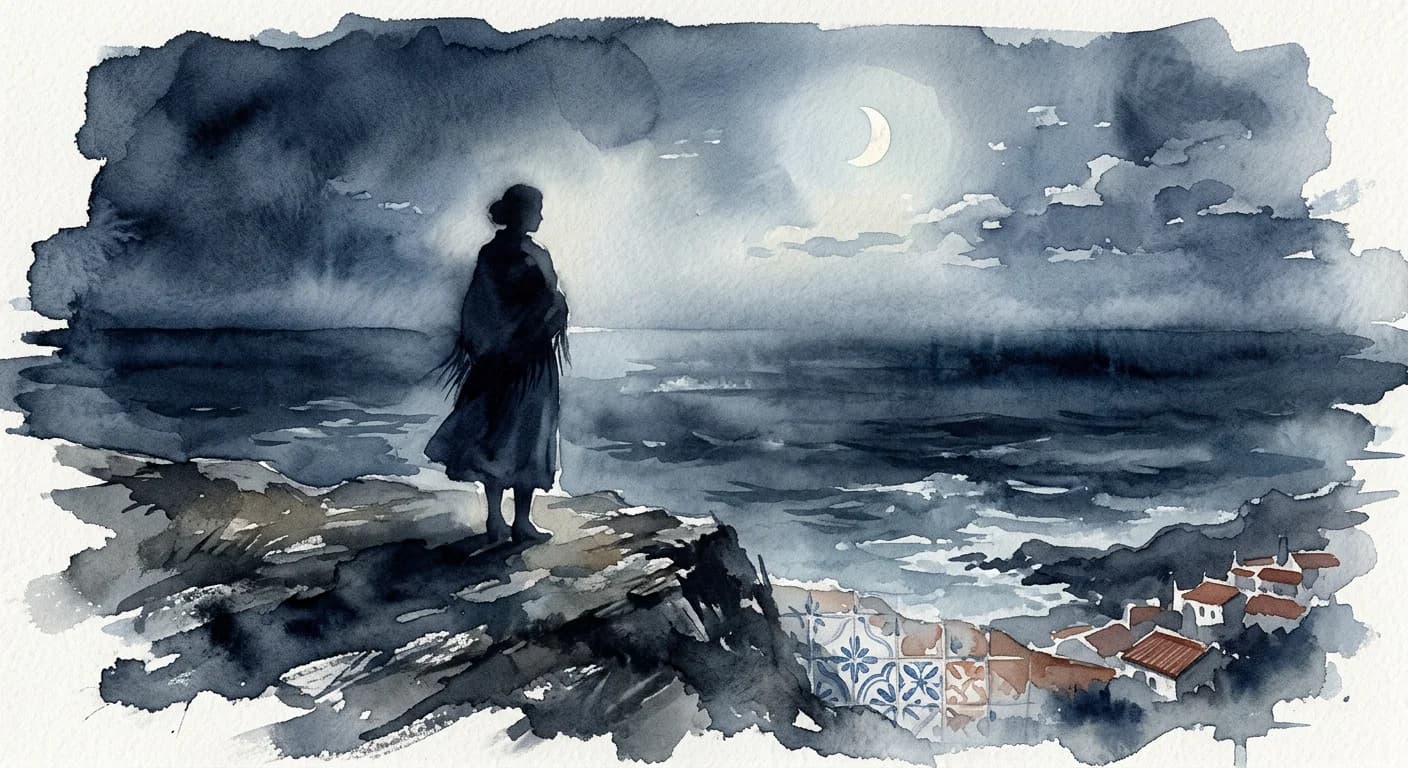
    Artistic representation of Fadista
    Portuguese•
    🇵🇹Portugal

    Fadista

    /fah-DEES-tah/

    Meaning

    A Fadista is far more than a Fado singer; they are a vessel for the Portuguese soul, channeling profound emotions of saudade, longing, and destiny through their voice. They don't just perform songs; they inhabit them, transforming personal and collective experiences into a poignant narrative that resonates deeply with listeners. Through their artistry, a Fadista evokes the very essence of the Portuguese spirit, making them an indispensable custodian of this melancholic yet intensely passionate musical tradition.

    Literal Translation

    Singer of Fado

    The Story Behind the Word

    The word "Fadista" is intrinsically linked to Fado, a musical genre recognized by UNESCO as Intangible Cultural Heritage of Humanity. Originating in Lisbon's working-class neighborhoods and taverns in the 19th century, Fado is the musical expression of 'saudade' – a unique Portuguese feeling of melancholic longing. The Fadista emerged as the voice of this emotion, embodying the struggles, loves, and fatalism of ordinary Portuguese people. Their existence reflects a culture that embraces deep emotion, recognizes the inevitability of fate, and finds beauty in melancholy, using music as a cathartic outlet for collective sentiment. The Fadista is a living archive of a nation's emotional history.

    Experience It

    Lisbon's Lantern-Lit Alley

    In a dimly lit Alfama tavern, the hush fell as the Fadista stepped forward. Her voice, raw and resonant, wove tales of lost loves and distant shores, each note a tear shed for unseen sorrows. The audience, captivated, understood that they weren't just hearing music, but witnessing a piece of their own soul laid bare.

    Passing the Torch

    A young singer, nervous but determined, watched the revered Fadista from the wings. She knew that to truly become a Fadista, it wasn't enough to hit the right notes; she had to feel the 'saudade' in her bones, to embody the very essence of Portugal's emotional landscape with every breath.

    The Deeper Meaning

    The Fadista embodies a worldview that embraces fatalism and finds beauty in sorrow. It suggests that life's deepest truths are often found in melancholy, longing, and the acceptance of an unchangeable destiny. This perspective values emotional depth and authenticity, seeing vulnerability as a source of profound connection rather than weakness.

    Did You Know?

    Many of the most iconic Fadistas, like Amália Rodrigues, began their careers singing informally in taverns and working-class districts, often improvising lyrics and melodies that reflected the daily lives of their communities.

    How It's Used

    Refers to a singer of Fado music, and by extension, someone deeply connected to the spirit and themes of Fado.

    Emotions
    bittersweet,longing,melancholy,nostalgia
    Contexts
    dining,farewell,romance
    🇵🇹Portugal

    by Anya Petrova·Written Mar 14, 2026·Updated Apr 3, 2026

    Related Words

    Explore more
    HyggeDanish

    Hygge is more than mere coziness; it's a holistic embrace of comfort, warmth, and belonging that nourishes the soul. It describes the intentional creation of an intimate atmosphere where simple pleasures, genuine connection, and mindful presence converge, fostering a profound sense of contentment and well-being. It's about finding joy and peace in the small, everyday moments, often shared with loved ones.

    SaudadePortuguese

    Saudade encapsulates a profound, melancholic longing for something or someone cherished that is absent, often with the bittersweet knowledge that it may never return. It's a deep emotional state tinged with nostalgia, evoking a sense of loss for past experiences, places, or people, yet also holding a tender appreciation for the beauty of what once was. This yearning is not merely sadness, but a complex tapestry of desire, memory, and a poignant acceptance of absence, holding the beloved in a warm, persistent embrace within the heart.

    GezelligDutch

    Gezellig encapsulates a profound sense of warmth, belonging, and convivial comfort, extending beyond mere coziness to embrace the social and emotional atmosphere. It's the feeling of being truly at ease, surrounded by good company, laughter, and a shared sense of contentment. This untranslatable term describes not just a physical space, but a holistic experience where time seems to slow down, fostering genuine connection and a deep sense of well-being.

    Dolce far nienteItalian

    Dolce far niente captures the profound joy and effortless pleasure derived from simply existing without obligation or purpose. It's the art of savoring moments of pure, unadulterated idleness – lying in the sun, watching the clouds drift, or enjoying a leisurely coffee – not as a break from work, but as a valuable state in itself. This 'sweetness of doing nothing' is a conscious embrace of stillness and contentment, allowing the soul to breathe and the senses to fully engage with the present.