U.
HomeRegionsLanguagesEmotionsCollections
Find Your Word

“The limits of my language mean the limits of my world.”

— Ludwig Wittgenstein, Philosopher

Untranslatable

A curated collection of the world's most beautiful expressions—words that remind us language is humanity's greatest invention.

  • Home
  • Collections
  • Regions
  • Countries
  • Emotions
  • Tags
  • Contexts
  • Finder
  • Europe
  • Asia
  • Americas
  • Africa
  • Middle East
  • About
  • Contact
  • Privacy Policy
  • Terms of Service

2026 © Untranslatable. All rights reserved.

    /
    /
    1. Home
    2. /
    3. Europe
    4. /
    5. Skadeglädje
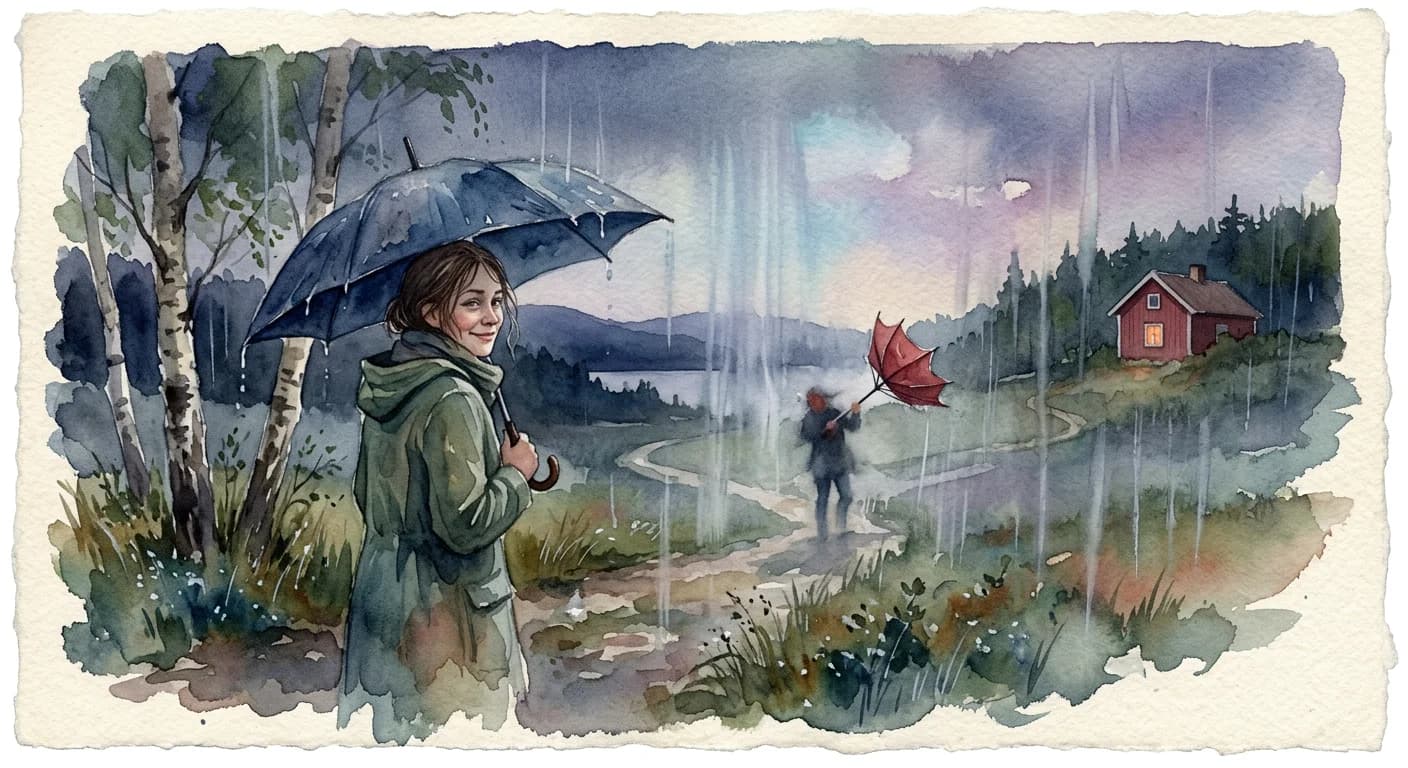
    Artistic representation of Skadeglädje
    Swedish•
    🇸🇪Sweden

    Skadeglädje

    /SKAH-deh-GLAY-dyeh/

    Meaning

    Skadeglädje captures the subtly satisfying, sometimes guilt-ridden, feeling one experiences when witnessing another's minor misfortune. It's not about wishing harm, but rather a fleeting, almost instinctual amusement or a quiet sense of relief that the mishap didn't befall oneself. This emotion often arises from small, everyday blunders, like someone slipping on ice (without injury) or struggling with an umbrella in the wind, highlighting a deeply human, albeit often suppressed, tendency to find a dark chuckle in the minor adversities of others.

    Literal Translation

    Harm-joy

    The Story Behind the Word

    The existence of "skadeglädje" in Swedish culture, much like its German counterpart "Schadenfreude," suggests a societal comfort in acknowledging the less flattering aspects of human psychology. While Swedes value modesty and collective well-being (Jantelagen), this word subtly allows for the recognition of individual, even slightly mischievous, feelings without overtly condoning malice. It reflects a pragmatic understanding that humans are complex, and that even in a generally egalitarian society, there are moments of private, perhaps imperfect, emotional responses. It reveals a culture that doesn't shy away from naming these complex, often contradictory, internal experiences, rather than pretending they don't exist.

    Experience It

    Coffee Spill Relief

    During a busy morning commute, someone ahead fumbles their takeaway coffee, sending a brown splash across their pristine white shirt. You instinctively wince, but a tiny, almost imperceptible smirk plays on your lips, a fleeting moment of skadeglädje that it wasn't you who suffered the sticky fate.

    IKEA Assembly Woes

    Watching a friend wrestle with a notoriously complicated IKEA furniture assembly, their frustration mounting with each misaligned screw. You offer sympathetic words, but inside, a quiet skadeglädje bubbles up, remembering your own past struggles and feeling a small, dark satisfaction that someone else is now enduring the same torment.

    The Deeper Meaning

    This word reveals a pragmatic acceptance of human imperfection and the complex, often contradictory nature of emotions. It suggests a philosophical stance where not all feelings need to be morally pure to be acknowledged. By giving a name to this specific blend of amusement and relief, it highlights the subtle ways humans compare their own fortunes to others, even unconsciously, and the relief found in not being the one experiencing a setback.

    Did You Know?

    While often compared to German Schadenfreude, "skadeglädje" tends to imply a slightly milder, less intense form of pleasure from misfortune, often focusing on minor, non-serious mishaps.

    How It's Used

    Used to describe the feeling one gets when observing someone else's minor misfortune, often with a sense of amusement or relief that it wasn't themselves.

    Emotions
    bittersweet,comfort,joy
    Contexts
    daily life,social interaction
    🇸🇪Sweden

    by Annelise Dubois·Written Mar 14, 2026·Updated Apr 3, 2026

    Related Words

    Explore more
    HyggeDanish

    Hygge is more than mere coziness; it's a holistic embrace of comfort, warmth, and belonging that nourishes the soul. It describes the intentional creation of an intimate atmosphere where simple pleasures, genuine connection, and mindful presence converge, fostering a profound sense of contentment and well-being. It's about finding joy and peace in the small, everyday moments, often shared with loved ones.

    SaudadePortuguese

    Saudade encapsulates a profound, melancholic longing for something or someone cherished that is absent, often with the bittersweet knowledge that it may never return. It's a deep emotional state tinged with nostalgia, evoking a sense of loss for past experiences, places, or people, yet also holding a tender appreciation for the beauty of what once was. This yearning is not merely sadness, but a complex tapestry of desire, memory, and a poignant acceptance of absence, holding the beloved in a warm, persistent embrace within the heart.

    GezelligDutch

    Gezellig encapsulates a profound sense of warmth, belonging, and convivial comfort, extending beyond mere coziness to embrace the social and emotional atmosphere. It's the feeling of being truly at ease, surrounded by good company, laughter, and a shared sense of contentment. This untranslatable term describes not just a physical space, but a holistic experience where time seems to slow down, fostering genuine connection and a deep sense of well-being.

    Dolce far nienteItalian

    Dolce far niente captures the profound joy and effortless pleasure derived from simply existing without obligation or purpose. It's the art of savoring moments of pure, unadulterated idleness – lying in the sun, watching the clouds drift, or enjoying a leisurely coffee – not as a break from work, but as a valuable state in itself. This 'sweetness of doing nothing' is a conscious embrace of stillness and contentment, allowing the soul to breathe and the senses to fully engage with the present.