U.
HomeRegionsLanguagesEmotionsCollections
Find Your Word

“The limits of my language mean the limits of my world.”

— Ludwig Wittgenstein, Philosopher

Untranslatable

A curated collection of the world's most beautiful expressions—words that remind us language is humanity's greatest invention.

  • Home
  • Collections
  • Regions
  • Countries
  • Emotions
  • Tags
  • Contexts
  • Finder
  • Europe
  • Asia
  • Americas
  • Africa
  • Middle East
  • About
  • Contact
  • Privacy Policy
  • Terms of Service

2026 © Untranslatable. All rights reserved.

    /
    /
    1. Home
    2. /
    3. Europe
    4. /
    5. Bimba
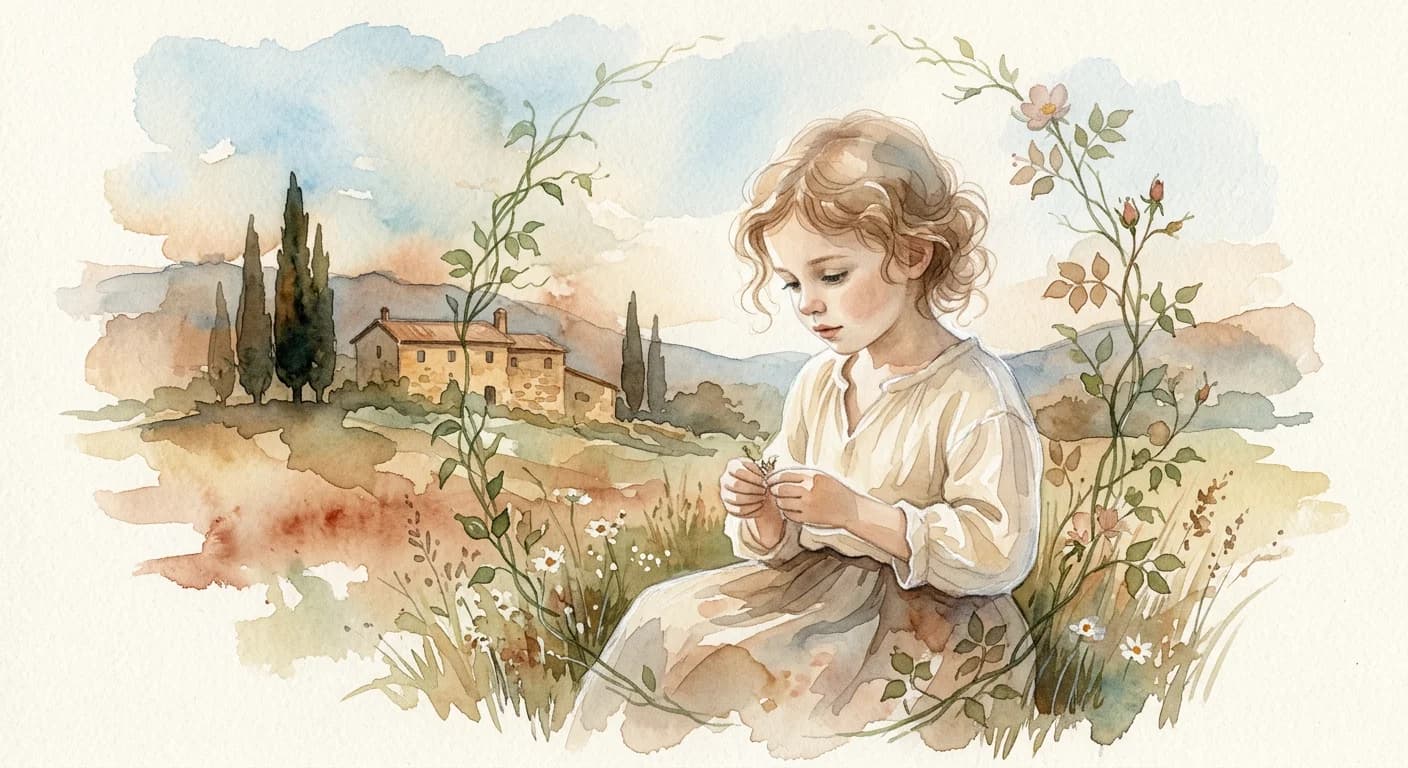
    Artistic representation of Bimba
    Italian•
    🇮🇹Italy

    Bimba

    /BEEM-bah/

    Meaning

    In Italian, 'bimba' transcends a mere age descriptor; it's a deeply affectionate term for a little girl, imbued with a profound sense of tenderness, vulnerability, and cherished innocence. It evokes a feeling of protective endearment, often used by family or close friends to express warmth and a gentle, almost poetic appreciation for the fleeting beauty of youth. More than just 'little girl,' it encapsulates a specific Italian cultural way of celebrating and safeguarding childhood, hinting at a preciousness that calls for love and careful nurturing.

    Literal Translation

    little girl

    The Story Behind the Word

    The existence and pervasive use of 'bimba' in Italian culture speaks volumes about the value placed on childhood and family bonds. Italy, a country with strong Catholic roots, often venerates the innocence of children as a reflection of purity and new beginnings. The family unit (la famiglia) is central to Italian identity, and children, particularly young girls, are seen as the heart of the home, deserving of boundless affection and protection. This word reflects a cultural philosophy where sentimentality is not shied away from, and emotional expression, especially towards loved ones, is openly encouraged. It highlights a society that embraces the sweetness of youth, often idealizing it as a period of unblemished joy and wonder, worthy of a dedicated term that conveys such depth of feeling.

    Experience It

    Grandma's Gentle Greeting

    Nonna Maria kneels down, her eyes sparkling, as her granddaughter runs towards her. "Ciao, mia dolce bimba!" she coos, enveloping the little girl in a warm hug, stroking her hair with immense tenderness.

    Father's Protective Gaze

    A father watches his daughter playing in the park, a soft smile on his face. Turning to his wife, he murmurs, "Look at our bimba, so full of life and joy," a profound sense of love and protectiveness in his voice.

    The Deeper Meaning

    The term 'bimba' reveals a philosophical inclination within Italian culture to cherish and protect innocence as a paramount value. It underscores a worldview where the vulnerability of childhood is not merely acknowledged but actively celebrated and emotionally safeguarded. This reflects a society that finds profound meaning and beauty in the early stages of life, viewing children as precious gifts deserving of a specific, tender linguistic embrace.

    Did You Know?

    While 'bimba' is widely used, its masculine counterpart 'bimbo' is less common today for boys, often replaced by 'bambino,' which is a more neutral term for 'child' in general.

    How It's Used

    Used to refer to a young female child, typically under the age of ten, often with a tone of affection and endearment.

    Emotions
    comfort,gratitude,love,warmth
    Contexts
    dining,family,greeting
    🇮🇹Italy

    by Sofia Rossi·Written Mar 14, 2026·Updated Apr 3, 2026

    Related Words

    Explore more
    HyggeDanish

    Hygge is more than mere coziness; it's a holistic embrace of comfort, warmth, and belonging that nourishes the soul. It describes the intentional creation of an intimate atmosphere where simple pleasures, genuine connection, and mindful presence converge, fostering a profound sense of contentment and well-being. It's about finding joy and peace in the small, everyday moments, often shared with loved ones.

    SaudadePortuguese

    Saudade encapsulates a profound, melancholic longing for something or someone cherished that is absent, often with the bittersweet knowledge that it may never return. It's a deep emotional state tinged with nostalgia, evoking a sense of loss for past experiences, places, or people, yet also holding a tender appreciation for the beauty of what once was. This yearning is not merely sadness, but a complex tapestry of desire, memory, and a poignant acceptance of absence, holding the beloved in a warm, persistent embrace within the heart.

    GezelligDutch

    Gezellig encapsulates a profound sense of warmth, belonging, and convivial comfort, extending beyond mere coziness to embrace the social and emotional atmosphere. It's the feeling of being truly at ease, surrounded by good company, laughter, and a shared sense of contentment. This untranslatable term describes not just a physical space, but a holistic experience where time seems to slow down, fostering genuine connection and a deep sense of well-being.

    Dolce far nienteItalian

    Dolce far niente captures the profound joy and effortless pleasure derived from simply existing without obligation or purpose. It's the art of savoring moments of pure, unadulterated idleness – lying in the sun, watching the clouds drift, or enjoying a leisurely coffee – not as a break from work, but as a valuable state in itself. This 'sweetness of doing nothing' is a conscious embrace of stillness and contentment, allowing the soul to breathe and the senses to fully engage with the present.