U.
HomeRegionsLanguagesEmotionsCollections
Find Your Word

“The limits of my language mean the limits of my world.”

— Ludwig Wittgenstein, Philosopher

Untranslatable

A curated collection of the world's most beautiful expressions—words that remind us language is humanity's greatest invention.

  • Home
  • Collections
  • Regions
  • Countries
  • Emotions
  • Tags
  • Contexts
  • Finder
  • Europe
  • Asia
  • Americas
  • Africa
  • Middle East
  • About
  • Contact
  • Privacy Policy
  • Terms of Service

2026 © Untranslatable. All rights reserved.

    /
    /
    1. Home
    2. /
    3. Europe
    4. /
    5. Cnámh
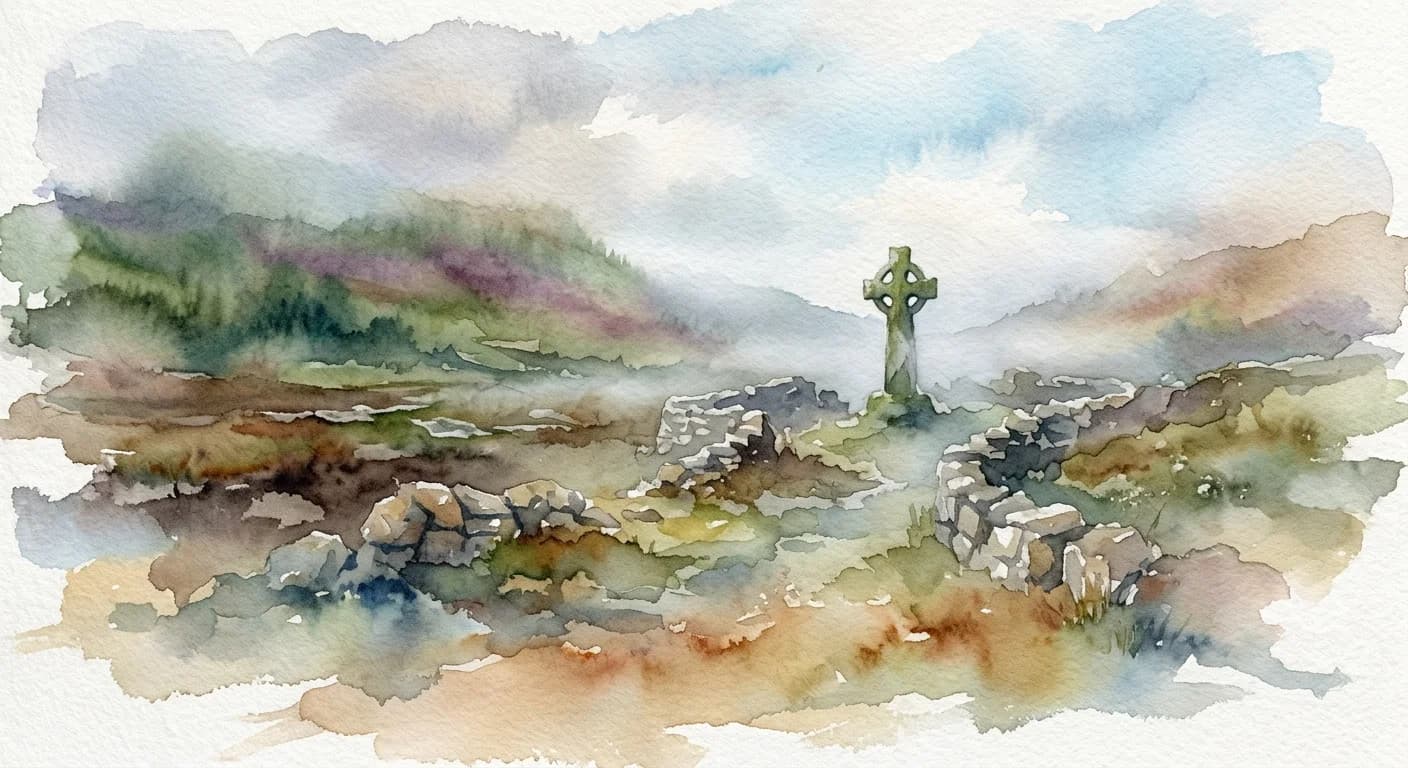
    Artistic representation of Cnámh
    Irish•
    🇮🇪Ireland

    Cnámh

    /KNAHV/

    Meaning

    In Irish, 'cnámh' transcends its literal translation of 'bone.' It embodies the very core, the fundamental structure, or the irreducible essence of anything, from the tangible to the abstract. It signifies the foundational support, the enduring strength, or the intrinsic 'skeleton' that gives form and integrity, without which the entity would lose its coherence or simply cease to be. This word speaks to the bedrock upon which all else is built, suggesting an essential, non-negotiable element.

    Literal Translation

    bone

    The Story Behind the Word

    The deep resonance of 'cnámh' in Irish culture stems from a profound connection to ancestry, land, and enduring principles. In a society with a strong oral tradition and a long history of resilience, the 'bone' became a powerful metaphor for that which persists through generations, through hardship, and through change. It reflects a worldview that values fundamental truths, the enduring spirit of a place or a people, and the essential 'truth' of a person's character. Just as the bones give structure to the body, 'cnámh' highlights the inviolable framework of identity, community, and belief. It suggests that true strength lies not in superficial adornments, but in the unyielding core.

    Experience It

    The Village's Cnámh

    During a planning meeting for a new road, an elder spoke, 'We cannot move the old well. It is the cnámh of this village, where generations have gathered for water and stories. To move it would be to break our very essence.' His words resonated, highlighting the well's indispensable role.

    A Story's Cnámh

    A young writer struggled with her novel. Her mentor advised, 'Strip away the embellishments. What is the cnámh of your story? What is the core conflict, the central truth that holds it all together?' Focusing on that irreducible element helped her find clarity and strength in her narrative.

    The Deeper Meaning

    The concept of 'cnámh' reveals an Irish philosophical inclination towards seeking the foundational and the enduring. It suggests a worldview that values authenticity, resilience, and the recognition of essential truths over superficial appearances. There's an inherent understanding that true strength and identity are rooted in an unshakeable core, whether in a person, a community, or an idea, reflecting a deep appreciation for integrity and permanence.

    Did You Know?

    The phrase 'cnámh an scéil' literally means 'the bone of the story,' and is commonly used to refer to the essential plot or core facts, without any embellishment.

    How It's Used

    It can be used to describe the central support of a building, the main stem of a plant, or metaphorically, the core principle of an argument or the essential character of a person.

    Emotions
    belonging,comfort,warmth
    Contexts
    family,nature,work
    🇮🇪Ireland

    by Annelise Dubois·Written Mar 14, 2026·Updated Apr 3, 2026

    Related Words

    Explore more
    HyggeDanish

    Hygge is more than mere coziness; it's a holistic embrace of comfort, warmth, and belonging that nourishes the soul. It describes the intentional creation of an intimate atmosphere where simple pleasures, genuine connection, and mindful presence converge, fostering a profound sense of contentment and well-being. It's about finding joy and peace in the small, everyday moments, often shared with loved ones.

    SaudadePortuguese

    Saudade encapsulates a profound, melancholic longing for something or someone cherished that is absent, often with the bittersweet knowledge that it may never return. It's a deep emotional state tinged with nostalgia, evoking a sense of loss for past experiences, places, or people, yet also holding a tender appreciation for the beauty of what once was. This yearning is not merely sadness, but a complex tapestry of desire, memory, and a poignant acceptance of absence, holding the beloved in a warm, persistent embrace within the heart.

    GezelligDutch

    Gezellig encapsulates a profound sense of warmth, belonging, and convivial comfort, extending beyond mere coziness to embrace the social and emotional atmosphere. It's the feeling of being truly at ease, surrounded by good company, laughter, and a shared sense of contentment. This untranslatable term describes not just a physical space, but a holistic experience where time seems to slow down, fostering genuine connection and a deep sense of well-being.

    Dolce far nienteItalian

    Dolce far niente captures the profound joy and effortless pleasure derived from simply existing without obligation or purpose. It's the art of savoring moments of pure, unadulterated idleness – lying in the sun, watching the clouds drift, or enjoying a leisurely coffee – not as a break from work, but as a valuable state in itself. This 'sweetness of doing nothing' is a conscious embrace of stillness and contentment, allowing the soul to breathe and the senses to fully engage with the present.