U.
HomeRegionsLanguagesEmotionsCollections
Find Your Word

“The limits of my language mean the limits of my world.”

— Ludwig Wittgenstein, Philosopher

Untranslatable

A curated collection of the world's most beautiful expressions—words that remind us language is humanity's greatest invention.

  • Home
  • Collections
  • Regions
  • Countries
  • Emotions
  • Tags
  • Contexts
  • Finder
  • Europe
  • Asia
  • Americas
  • Africa
  • Middle East
  • About
  • Contact
  • Privacy Policy
  • Terms of Service

2026 © Untranslatable. All rights reserved.

    /
    /
    1. Home
    2. /
    3. Americas
    4. /
    5. Amarelo
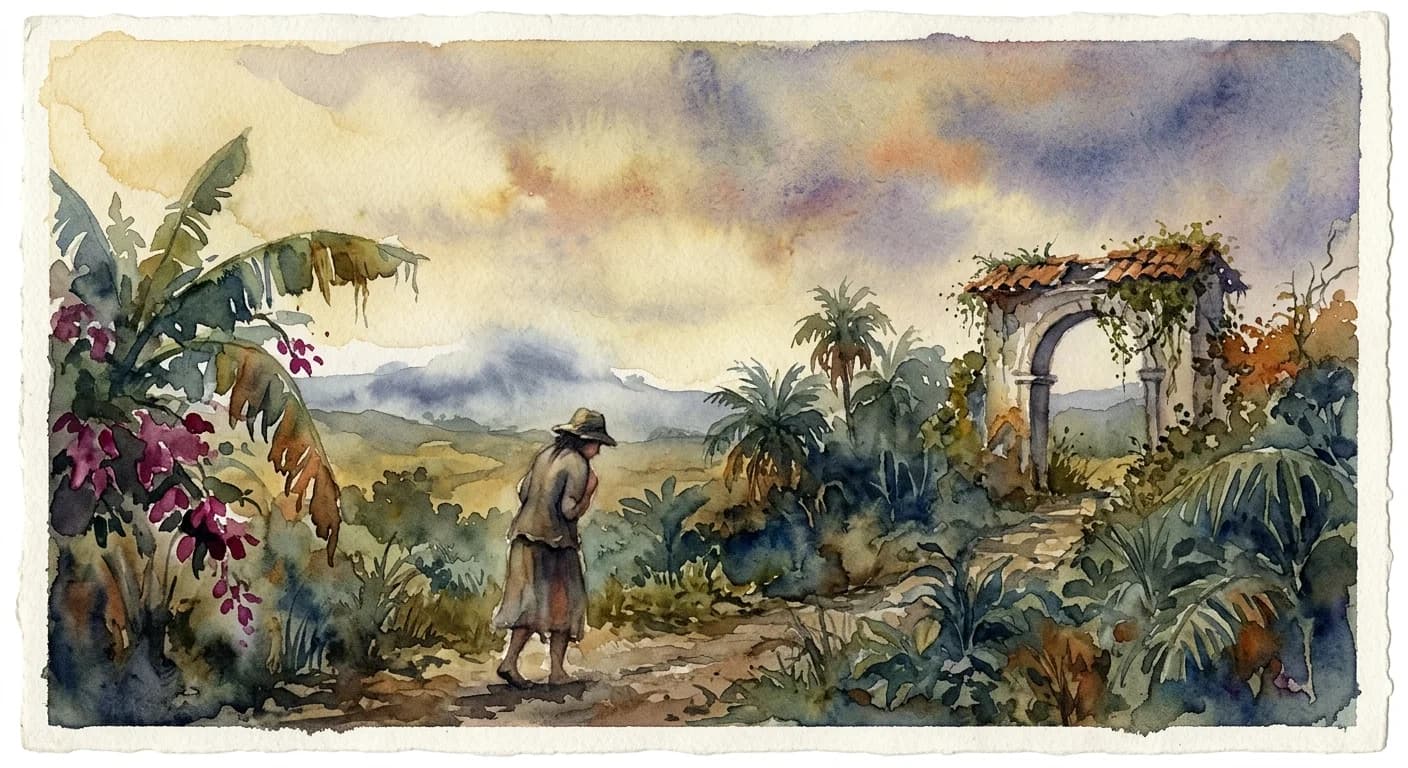
    Artistic representation of Amarelo
    Portuguese•
    🇧🇷Brazil🇵🇹Portugal

    Amarelo

    /ah-mah-REH-loo/

    Meaning

    In Brazilian Portuguese, while 'amarelo' literally means yellow, it profoundly signifies cowardice or fear, much like the English idiom 'yellow-bellied.' This cultural association extends beyond a mere color, embodying a person's apprehension or lack of courage in the face of challenges. It's a vivid colloquial descriptor used to brand someone as timid, hesitant, or unwilling to confront adversity, particularly in social or competitive contexts. The term evokes an image of someone shrinking from a fight or responsibility, rather than standing firm.

    Literal Translation

    Yellow

    The Story Behind the Word

    The association of 'amarelo' with cowardice in Brazil is deeply rooted in popular culture and collective imagination, though its precise historical origin is somewhat debated. One theory links it to medieval heraldry, where yellow could sometimes denote treachery or disgrace, a concept that might have subtly permeated Iberian cultures. Another, more contemporary idea, suggests a connection to the pallor of fear – a sickly, yellowish complexion. Regardless of its exact genesis, the term has been solidified through generations of oral tradition, literature, and even sports commentary, where a player who 'goes amarelo' is seen as failing their team. This usage reveals a cultural emphasis on courage, resilience, and facing challenges head-on, viewing timidity as a significant flaw. It highlights a society that values boldness and is quick to identify and, at times, shame those perceived as lacking in bravery.

    Experience It

    The Dare Gone Wrong

    At the beach, João dared Pedro to jump from the highest rock into the ocean. Pedro, looking down at the choppy waves, hesitated, his face paling. "Ah, Pedro, you're going all amarelo on us!" João teased, implying Pedro was scared to complete the jump.

    Confronting the Bully

    Mariana's friend was being unfairly treated by a classmate. Mariana wanted to intervene but felt a knot of fear in her stomach. Her grandmother, seeing her reluctance, gently said, "Não seja amarelo, Mariana. Stand up for what's right." This encouraged Mariana to find her voice.

    The Deeper Meaning

    The use of 'amarelo' to denote cowardice in Brazilian culture reflects a societal value system that prioritizes courage and resilience. It underscores a collective belief that confronting adversity, rather than retreating from it, is a fundamental aspect of character. This linguistic connection between a color and a moral failing reveals a worldview where bravery is not just admired, but its absence is distinctly marked and often subtly disapproved of, highlighting the importance of 'standing firm' in the face of life's challenges.

    Did You Know?

    Interestingly, despite its negative connotation for cowardice, yellow is also a prominent color in the Brazilian flag, symbolizing the nation's vast mineral wealth, without any negative implications.

    How It's Used

    Used colloquially in Brazil and Portugal to describe someone who is cowardly or fearful.

    Emotions
    anxiety,fear,melancholy
    Contexts
    daily life,social interaction
    🇧🇷Brazil🇵🇹Portugal

    by Annelise Dubois·Written Mar 14, 2026·Updated Apr 3, 2026

    Related Words

    Explore more
    SaudadePortuguese

    Saudade encapsulates a profound, melancholic longing for something or someone cherished that is absent, often with the bittersweet knowledge that it may never return. It's a deep emotional state tinged with nostalgia, evoking a sense of loss for past experiences, places, or people, yet also holding a tender appreciation for the beauty of what once was. This yearning is not merely sadness, but a complex tapestry of desire, memory, and a poignant acceptance of absence, holding the beloved in a warm, persistent embrace within the heart.

    Pura vidaSpanish

    More than just 'pure life,' "Pura vida" encapsulates a profound philosophy of embracing the present moment with unwavering optimism and gratitude. It's a daily commitment to finding joy in simple pleasures, accepting life's challenges with a positive spirit, and prioritizing well-being over material possessions. This ubiquitous phrase reflects a national identity built on resilience, community, and an deep appreciation for nature's bounty.

    MamihlapinatapaiYaghan

    Mamihlapinatapai encapsulates that profound, unspoken moment when two individuals lock eyes, each silently acknowledging a mutual desire or intention, yet both hesitate to be the first to act upon it. It's a delicate dance of anticipation, a shared gaze brimming with common understanding and a quiet longing for the other to break the ice. This intricate look carries the weight of a shared, uninitiated potential, a silent conversation where both parties are perfectly aware of what could happen, but neither makes the first move.

    TingoPascuense

    Tingo describes the subtle, insidious process of progressively appropriating a neighbor's belongings by habitually requesting to borrow them, only to 'forget' their return. It's not outright theft, but a slow, deliberate erosion of another's possessions, often under the guise of neighborly exchange. This gradual accumulation, piece by piece, ultimately results in a significant transfer of goods without any direct confrontation or formal acknowledgment of the loss. It speaks to a passive-aggressive form of acquisition, where social niceties are weaponized.