U.
HomeRegionsLanguagesEmotionsCollections
Find Your Word

“The limits of my language mean the limits of my world.”

— Ludwig Wittgenstein, Philosopher

Untranslatable

A curated collection of the world's most beautiful expressions—words that remind us language is humanity's greatest invention.

  • Home
  • Collections
  • Regions
  • Countries
  • Emotions
  • Tags
  • Contexts
  • Finder
  • Europe
  • Asia
  • Americas
  • Africa
  • Middle East
  • About
  • Contact
  • Privacy Policy
  • Terms of Service

2026 © Untranslatable. All rights reserved.

    /
    /
    1. Home
    2. /
    3. Africa
    4. /
    5. Calabash
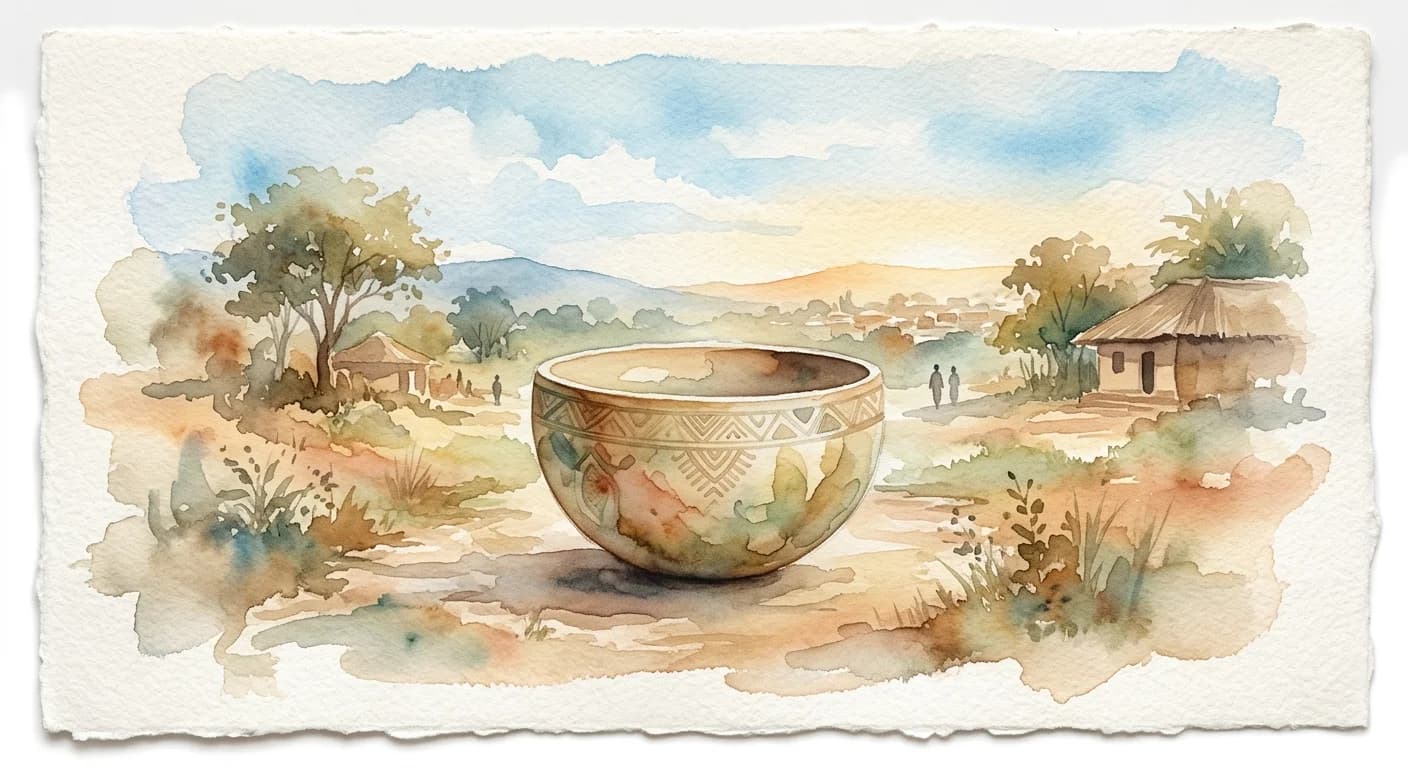
    Artistic representation of Calabash
    Yoruba•
    🇧🇷Brazil🇬🇭Ghana🇳🇬Nigeria🇵🇹Portugal🇿🇦South Africa🇪🇸Spain

    Calabash

    /KAL-uh-bash/

    Meaning

    The calabash, or 'igba' in Yoruba, transcends its literal form as a dried gourd to embody a profound connection to sustenance, community, and ancestral wisdom. These versatile vessels are meticulously crafted and utilized for everything from serving food and drink to creating resonant musical instruments and sacred ceremonial objects. It symbolizes resourcefulness, the elegant simplicity of natural materials, and the enduring legacy of traditions that have nurtured life and culture for generations across Yorubaland and beyond.

    Literal Translation

    Gourd (from Portuguese 'calabaza')

    The Story Behind the Word

    In Yoruba culture, the calabash is far more than a mere container; it is a repository of history and a symbol of the interconnectedness of life. Its existence reflects a philosophy where utility and aesthetics are intertwined, demonstrating ingenuity in transforming a natural element into indispensable tools. From birth rituals where a calabash might hold kola nuts for blessings, to communal meals where families share from a large 'igba', it signifies unity, continuity, and the cyclical nature of life. The calabash also plays a significant role in traditional medicine and divination, reinforcing its spiritual and cultural potency. Its presence in homes, markets, and sacred groves underscores a worldview that values sustainability, craftsmanship, and the deep respect for the gifts of the earth.

    Experience It

    Sharing Family Meals

    At the heart of the bustling family compound, Mama Nkechi brings out a large, beautifully carved calabash, brimming with steaming pounded yam and egusi soup. Children gather eagerly around, their laughter echoing as they all share from the same communal vessel, a timeless ritual of togetherness.

    Rhythms of Celebration

    During the annual harvest festival, the air vibrates with rhythmic sounds. An elder skillfully strikes a 'sekere' – a calabash adorned with beads and cowries – its percussive beat guiding the dancers and narrating ancient stories, uniting the community in joyous celebration.

    The Deeper Meaning

    The calabash embodies a profound philosophy of 'ashe' – the life force and power inherent in all things. It teaches resourcefulness, transforming the ordinary into the extraordinary, and highlights the value of natural materials in sustaining life. It also reflects the communal spirit, where sharing from a single calabash symbolizes unity, interdependence, and the strength found in collective experience.

    Did You Know?

    Some Yoruba myths recount how the world itself was formed from two halves of a calabash, the upper representing the heavens and the lower, the earth, symbolizing cosmic unity.

    How It's Used

    The word 'calabash' is used to refer to the dried shell of a gourd, which is often hollowed out and used as a container, utensil, or decorative item. It is also used metaphorically to represent traditional African culture, resourcefulness, and connection to nature.

    Emotions
    belonging,gratitude,warmth
    Contexts
    celebration,dining,nature,work
    🇧🇷Brazil🇬🇭Ghana🇳🇬Nigeria🇵🇹Portugal🇿🇦South Africa🇪🇸Spain

    by Annelise Dubois·Written Mar 14, 2026·Updated Apr 3, 2026

    Related Words

    Explore more
    GezelligDutch

    Gezellig encapsulates a profound sense of warmth, belonging, and convivial comfort, extending beyond mere coziness to embrace the social and emotional atmosphere. It's the feeling of being truly at ease, surrounded by good company, laughter, and a shared sense of contentment. This untranslatable term describes not just a physical space, but a holistic experience where time seems to slow down, fostering genuine connection and a deep sense of well-being.

    SobremesaSpanish

    Sobremesa is the cherished, often extended period immediately following a meal, particularly lunch or dinner, where diners remain seated at the table to enjoy conversation, coffee, and digest not just the food, but the company itself. It’s a dedicated time for unhurried social bonding, storytelling, and shared laughter, transforming a simple meal into a profound communal experience. Far from just clearing the dishes, sobremesa is an integral part of Spanish social life, often lasting for hours.

    Pura vidaSpanish

    More than just 'pure life,' "Pura vida" encapsulates a profound philosophy of embracing the present moment with unwavering optimism and gratitude. It's a daily commitment to finding joy in simple pleasures, accepting life's challenges with a positive spirit, and prioritizing well-being over material possessions. This ubiquitous phrase reflects a national identity built on resilience, community, and an deep appreciation for nature's bounty.

    UbuntuZulu/Xhosa

    Ubuntu is a profound African philosophy that translates to 'I am because we are,' signifying that an individual's humanity is inextricably linked to the humanity of others. It embodies the belief that our existence and well-being are deeply intertwined with the community. This concept emphasizes compassion, reciprocity, dignity, and the understanding that true fulfillment is found not in isolation, but through collective flourishing and mutual support. It's a call to recognize and affirm the humanity in everyone, fostering a sense of interconnectedness.