Chinook
/chi-NOOK/
Meaning
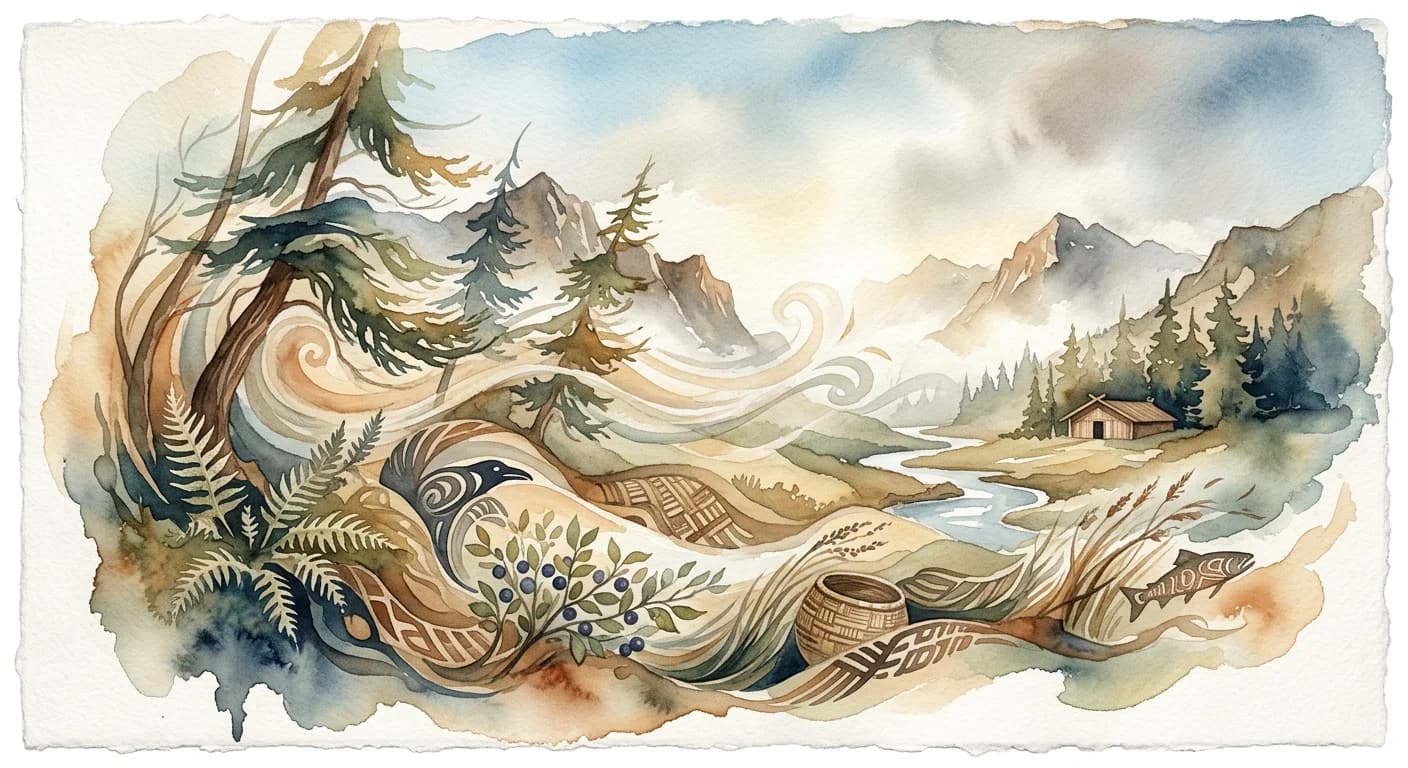
The word "Chinook" transcends a simple identifier, embodying both the indigenous people of the lower Columbia River region and a distinctive warm, dry wind. It intricately links a rich cultural heritage, deeply rooted in the ancestral lands of the Pacific Northwest, with the powerful natural forces that shape its climate. This dual resonance underscores an inseparable connection between human experience, the environment, and the profound rhythms of the natural world, reflecting a worldview where people and place are fundamentally intertwined.
Literal Translation
The literal meaning in the Chinookan language is debated, but often associated with 'stronger than the tide' or 'fish-eaters'.
The Story Behind the Word
The existence of 'Chinook' as both a people and a wind reveals a profound understanding of the interconnectedness between human life and the natural environment in the Pacific Northwest. For the Chinookan peoples, their identity was intrinsically tied to the Columbia River, its salmon, and the very air they breathed. The warm Chinook wind, though sometimes associated with relief from cold, also carried implications for hunting, fishing, and seasonal changes, making it a vital element in their ecological knowledge and survival. This dual nomenclature isn't merely coincidental; it signifies a worldview where natural phenomena are personified or inextricably linked to the human inhabitants, highlighting a deep, reciprocal relationship with their ancestral lands and the powerful forces that shaped their existence. It speaks to a culture that observed, respected, and integrated natural patterns into their language and identity.
Experience It
A Winter's Reprieve
The biting cold of winter had gripped the village for weeks, but then, a subtle shift in the air. Elder K’amuks felt the familiar warmth on his face; 'The Chinook comes,' he announced, knowing the snows would soon recede, offering a brief respite and easier passage for hunters.
Telling a Story
Gathered around the fire, the storyteller began, 'Long ago, when the Chinook people lived by the great river...' The children listened intently, understanding that the tale would weave together the history of their ancestors with the very spirit of their homeland, a place shaped by both human hands and elemental forces.
The Deeper Meaning
The term 'Chinook' embodies a philosophy of ecological identity, suggesting that the essence of a people is not separate from their environment, but rather co-constituted by it. It reflects a worldview where natural phenomena are not external forces to be conquered, but intrinsic elements of cultural identity and lived experience. This perspective highlights a profound respect for the land and its processes, seeing them as integral to self and community.
Did You Know?
The 'Chinook Jargon,' a pidgin trade language developed in the Pacific Northwest, incorporated words from Chinook, Nuu-chah-nulth, Salishan languages, French, and English, facilitating communication across diverse groups.
How It's Used
Used to refer to the Chinook people, their language, and the warm, dry wind phenomenon.