U.
HomeRegionsLanguagesEmotionsCollections
Find Your Word

“The limits of my language mean the limits of my world.”

— Ludwig Wittgenstein, Philosopher

Untranslatable

A curated collection of the world's most beautiful expressions—words that remind us language is humanity's greatest invention.

  • Home
  • Collections
  • Regions
  • Countries
  • Emotions
  • Tags
  • Contexts
  • Finder
  • Europe
  • Asia
  • Americas
  • Africa
  • Middle East
  • About
  • Contact
  • Privacy Policy
  • Terms of Service

2026 © Untranslatable. All rights reserved.

    /
    /
    1. Home
    2. /
    3. Europe
    4. /
    5. Faena
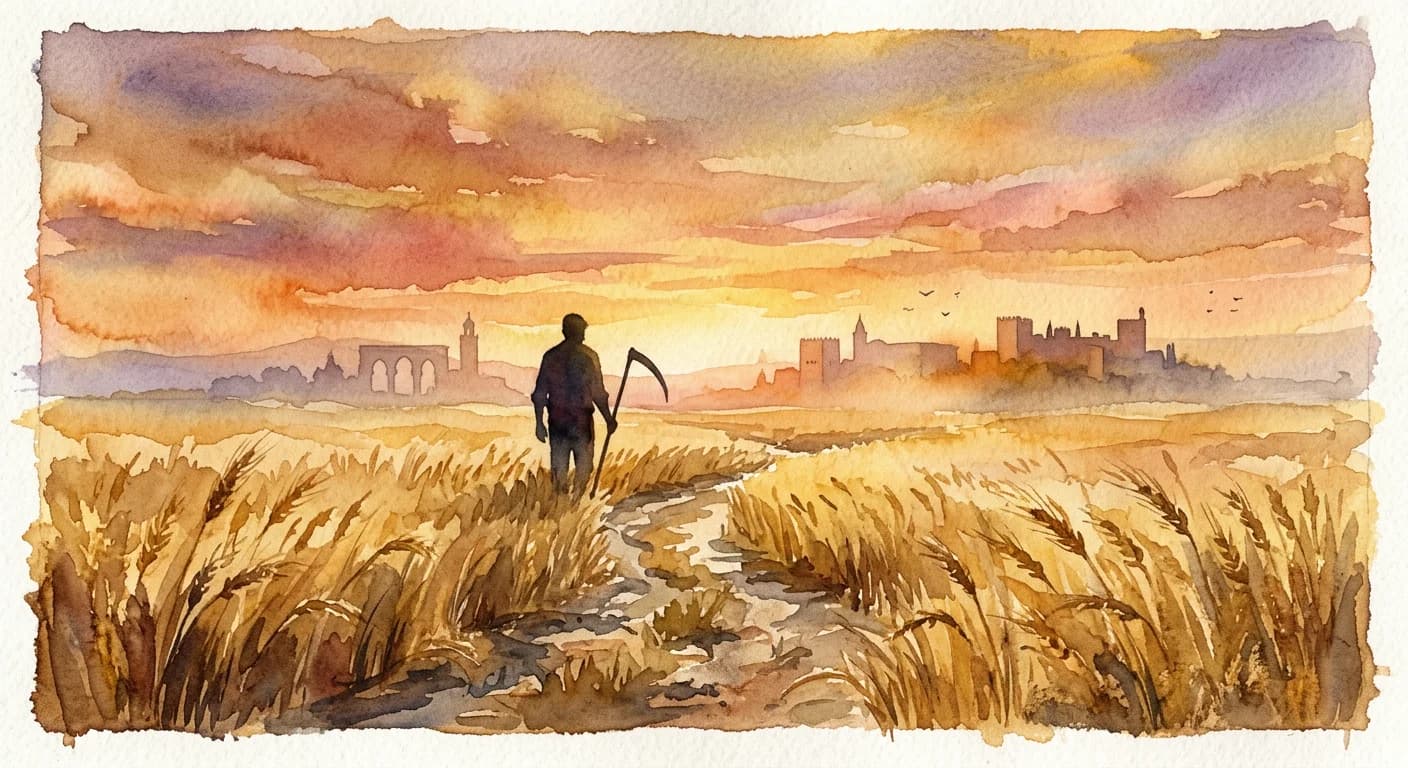
    Artistic representation of Faena
    Spanish•
    🇦🇷Argentina🇨🇺Cuba🇲🇽Mexico🇪🇸Spain🇺🇾Uruguay

    Faena

    /FAY-nah/

    Meaning

    Faena transcends the simple idea of a task; it embodies the arduous yet ultimately fulfilling labor undertaken with profound skill, dedication, and a deep sense of pride. It conjures images of a bullfighter's climactic, artful performance, but extends to any demanding endeavor, from a master craftsman's meticulous creation to a farmer's bounteous harvest. This word encapsulates the inherent dignity in honest effort and the often-unseen struggle that precedes true success or a job exquisitely done, celebrating the journey as much as the outcome.

    Literal Translation

    task, deed, performance

    The Story Behind the Word

    The concept of "faena" is deeply rooted in Spanish cultural history, particularly from the world of bullfighting, where the matador's final, artistic passes with the cape are the 'faena' – the culmination of skill, courage, and grace. This origin imbues the word with a sense of high drama, precision, and a public display of mastery under pressure. Beyond the bullring, it reflects a societal valuing of work that is not just performed, but crafted. It speaks to a cultural appreciation for dedication, resilience, and the belief that true value comes from effort poured into a task, whether it's an artisan perfecting their craft, a chef preparing a complex dish, or a farmer tending their land. It reveals a worldview where labor, especially when done with heart and skill, is ennobling and a source of personal and communal pride.

    Experience It

    The Artisan's Masterpiece

    After months of meticulous carving and polishing, the woodworker stepped back to admire the intricate details of the altar piece. "Esta fue una verdadera faena," he murmured to himself, a testament to the countless hours of focused effort and passion poured into its creation.

    Harvesting the Olives

    Under the scorching Andalusian sun, the family worked tirelessly, shaking branches and gathering the fallen olives. By dusk, their baskets were overflowing. "¡Qué faena hemos tenido hoy!" exclaimed the patriarch, recognizing the immense, back-breaking work that promised a rich yield of olive oil.

    The Deeper Meaning

    Faena articulates a profound philosophy of labor, suggesting that work is not merely a means to an end, but an arena for self-expression, discipline, and the pursuit of excellence. It posits that true fulfillment comes from engaging with challenging tasks with integrity and skill, transforming mere effort into a dignified act. This perspective elevates diligent work to an art form, emphasizing the intrinsic value of the process itself.

    Did You Know?

    While often associated with bullfighting, 'faena' also historically referred to the work of butchering the bull after the fight, highlighting the practical, arduous labor aspect alongside the artistic performance.

    How It's Used

    Used to describe a significant task, a period of intense work, or the skillful execution of a difficult job, often with a sense of pride and dedication.

    Emotions
    contentment,gratitude,pride
    Contexts
    cultural identity,work
    🇦🇷Argentina🇨🇺Cuba🇲🇽Mexico🇪🇸Spain🇺🇾Uruguay

    by Annelise Dubois·Written Mar 14, 2026·Updated Apr 3, 2026

    Related Words

    Explore more
    HyggeDanish

    Hygge is more than mere coziness; it's a holistic embrace of comfort, warmth, and belonging that nourishes the soul. It describes the intentional creation of an intimate atmosphere where simple pleasures, genuine connection, and mindful presence converge, fostering a profound sense of contentment and well-being. It's about finding joy and peace in the small, everyday moments, often shared with loved ones.

    SaudadePortuguese

    Saudade encapsulates a profound, melancholic longing for something or someone cherished that is absent, often with the bittersweet knowledge that it may never return. It's a deep emotional state tinged with nostalgia, evoking a sense of loss for past experiences, places, or people, yet also holding a tender appreciation for the beauty of what once was. This yearning is not merely sadness, but a complex tapestry of desire, memory, and a poignant acceptance of absence, holding the beloved in a warm, persistent embrace within the heart.

    GezelligDutch

    Gezellig encapsulates a profound sense of warmth, belonging, and convivial comfort, extending beyond mere coziness to embrace the social and emotional atmosphere. It's the feeling of being truly at ease, surrounded by good company, laughter, and a shared sense of contentment. This untranslatable term describes not just a physical space, but a holistic experience where time seems to slow down, fostering genuine connection and a deep sense of well-being.

    Dolce far nienteItalian

    Dolce far niente captures the profound joy and effortless pleasure derived from simply existing without obligation or purpose. It's the art of savoring moments of pure, unadulterated idleness – lying in the sun, watching the clouds drift, or enjoying a leisurely coffee – not as a break from work, but as a valuable state in itself. This 'sweetness of doing nothing' is a conscious embrace of stillness and contentment, allowing the soul to breathe and the senses to fully engage with the present.