Figata
/FEE-gah-tah/
Meaning
Figata transcends a simple 'cool' or 'great,' embodying a spontaneous, visceral thrill of delight and admiration for something truly exceptional. It captures that moment when an object, an event, or an idea isn't just good, but possesses an unexpected flair, an elegant brilliance, or a stroke of genius that elicits genuine, unadulterated pleasure. It's the recognition of something wonderfully executed, resonating with an innate sense of aesthetic and functional perfection that sparks an immediate, enthusiastic appreciation.
Literal Translation
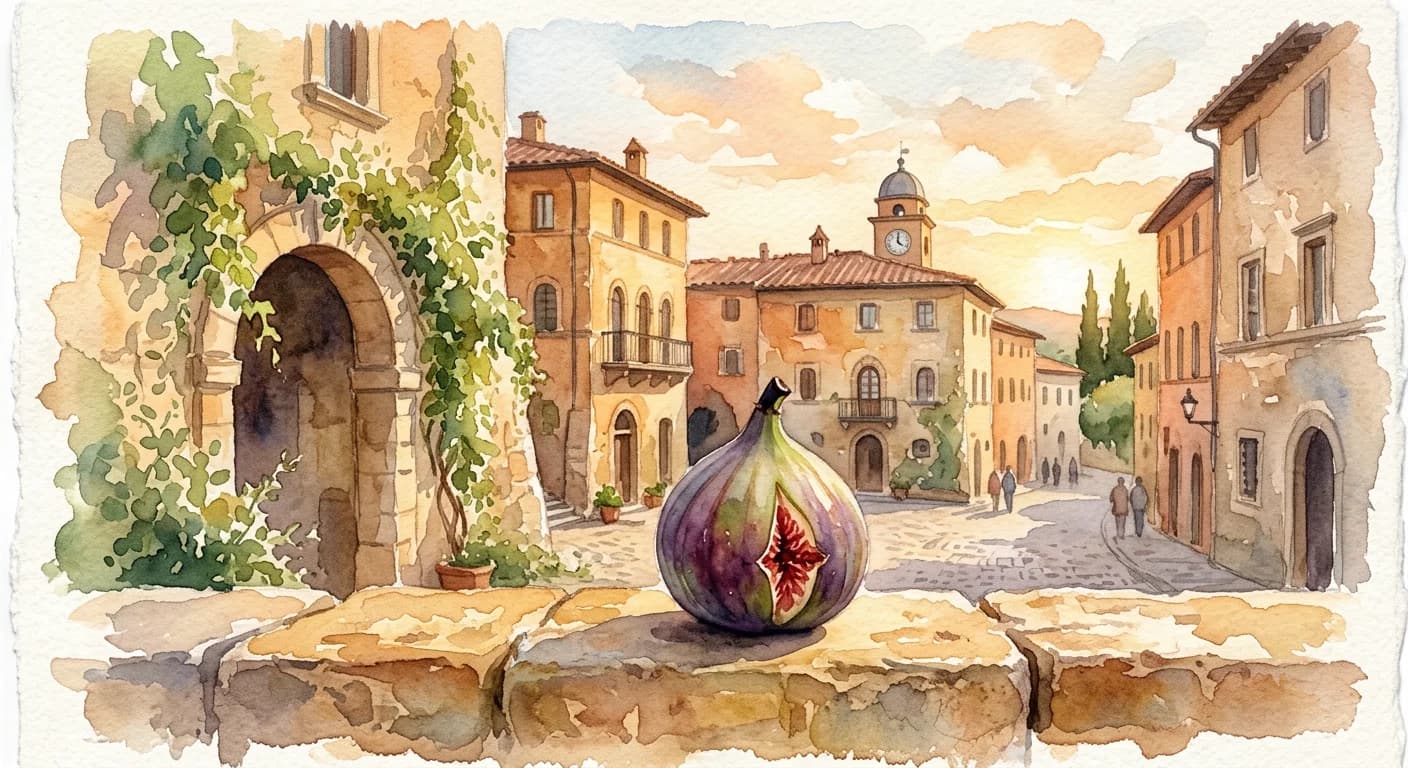
figgy / related to figs (archaic, and not the primary modern meaning)
The Story Behind the Word
The existence of 'figata' in the Italian lexicon speaks volumes about the culture's deep-seated appreciation for beauty, ingenuity, and the art of living well. Italy, with its rich history of art, design, and culinary excellence, fosters an environment where an eye for aesthetic perfection and clever solutions is highly valued. 'Figata' is an immediate, almost guttural response to something that hits all the right notes, reflecting a culture that doesn't just observe but actively savors moments of brilliance. It underscores a collective sensibility that finds joy in both the grand and the subtle, celebrating the unexpected 'aha!' or 'wow!' that elevates the everyday. It reveals a people who are not afraid to express their admiration with unbridled enthusiasm, valuing emotional resonance over stoicism.
Experience It
Chef's Masterpiece
At a small trattoria, the chef presents a dish that looks deceptively simple but explodes with flavor. After the first bite, one diner exclaims, 'Mamma mia, this pasta is a figata!' The unexpected harmony of ingredients and the perfect execution of the dish evoke genuine awe.
Ingenious Solution
Two friends are struggling with a complex furniture assembly. Suddenly, one friend devises a clever workaround that bypasses a frustrating step. The other claps him on the back, grinning, 'That's a figata! You just saved us an hour!'
The Deeper Meaning
The widespread use of 'figata' highlights a philosophical inclination towards recognizing and celebrating moments of unexpected excellence and aesthetic pleasure in daily life. It suggests a culture that values not just functionality, but also the 'sprezzatura' – an effortless grace – and the 'bella figura' – making a good impression – in all things. It reflects a worldview where the pursuit and appreciation of beauty, cleverness, and delightful execution are integral to a rich human experience, encouraging an active engagement with and enthusiasm for the world's myriad wonders.
Did You Know?
While its modern use is purely appreciative, 'figata' literally derives from 'figa,' an archaic term for 'fig,' which also has vulgar connotations. This etymological journey from fruit to exclamatory admiration is quite a linguistic leap!
How It's Used
Used colloquially to express admiration for something that is particularly cool, impressive, or delightful. It can be used to describe anything from a stylish outfit to a clever solution to a problem, or a particularly enjoyable experience.