U.
HomeRegionsLanguagesEmotionsCollections
Find Your Word

“The limits of my language mean the limits of my world.”

— Ludwig Wittgenstein, Philosopher

Untranslatable

A curated collection of the world's most beautiful expressions—words that remind us language is humanity's greatest invention.

  • Home
  • Collections
  • Regions
  • Countries
  • Emotions
  • Tags
  • Contexts
  • Finder
  • Europe
  • Asia
  • Americas
  • Africa
  • Middle East
  • About
  • Contact
  • Privacy Policy
  • Terms of Service

2026 © Untranslatable. All rights reserved.

    /
    /
    1. Home
    2. /
    3. Europe
    4. /
    5. Gabacho
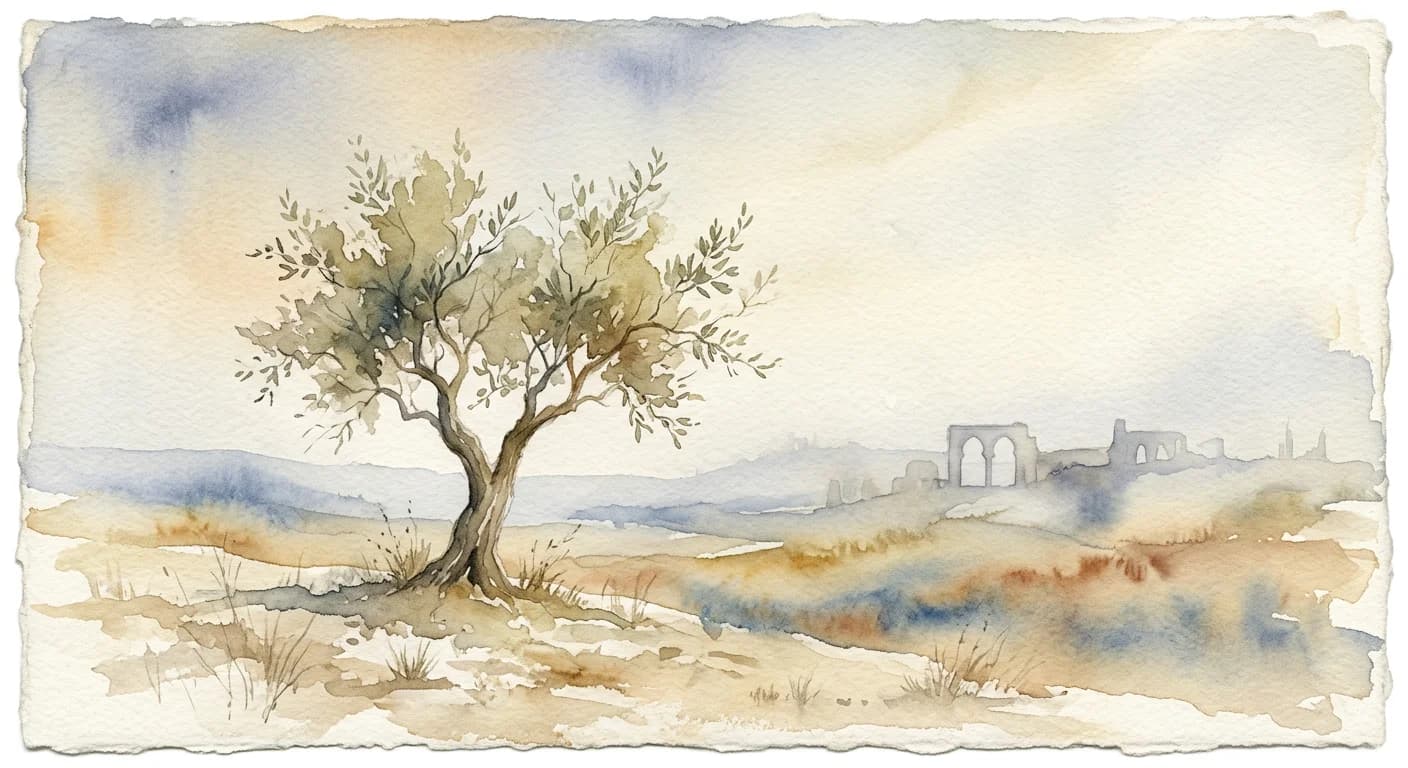
    Artistic representation of Gabacho
    Spanish•
    🇲🇽Mexico🇪🇸Spain

    Gabacho

    /gah-BAH-cho/

    Meaning

    The term 'gabacho' in Spanish is a loaded descriptor, often carrying a derogatory and xenophobic undertone. It's primarily used to label foreigners, particularly those from Northern Europe or the United States, evoking a sense of 'otherness' tinged with resentment or disdain. While occasionally used neutrally, its historical and common usage leans towards dismissive and negative labeling of outsiders, especially those perceived as culturally distinct, powerful, or imposing, highlighting a historical unease with external influence.

    Literal Translation

    foreign (often derogatory)

    The Story Behind the Word

    The origins of 'gabacho' are debated, but many scholars link it to the French, possibly stemming from the Pyrenean region where 'gabach' referred to people speaking a different dialect or even 'gaba' (a type of cloak), signifying outsiders. Its adoption in Spain and later Mexico reflects a complex history of foreign interventions, economic disparities, and cultural clashes. The word embodies a collective memory of perceived foreign arrogance or imposition, whether from French Napoleonic invasions, American economic dominance, or the perceived cultural distance of Northern Europeans. It reveals a cultural tendency to define identity not just internally, but also in contrast to, and sometimes in opposition to, external influences, serving as a linguistic marker of 'us' versus 'them' that carries historical weight.

    Experience It

    Tourists on the Beach

    At a crowded Spanish beach, a local vendor mutters under his breath, 'Look at those gabachos, taking up all the space and not even trying to speak a word of Spanish.' He rolls his eyes as a group of boisterous tourists struggles to order in English.

    Political Discourse

    During a heated discussion about foreign policy, one commentator dismissively states, 'We can't just follow what the gabachos tell us to do; Spain has its own interests.' The term is used to broadly criticize perceived foreign influence on national decisions.

    The Deeper Meaning

    The word 'gabacho' encapsulates a deep-seated cultural anxiety about national identity and sovereignty in the face of perceived foreign encroachment or cultural dilution. It reflects a worldview where 'otherness' is not merely difference but often carries connotations of intrusion or even threat, revealing a desire to maintain distinct cultural boundaries against external pressures.

    Did You Know?

    While often aimed at French people, 'gabacho' has broadened its scope to encompass a wide range of 'outsiders,' particularly those from economically powerful Northern European or Anglo-Saxon countries, highlighting a fluid xenophobia.

    How It's Used

    Used informally in Spain and Mexico to refer to foreigners, particularly from France, the US, or Northern Europe, often with a derogatory or dismissive tone.

    Emotion
    anger
    Contexts
    social interaction,travel
    🇲🇽Mexico🇪🇸Spain

    by Sofia Rossi·Written Mar 14, 2026·Updated Apr 3, 2026

    Related Words

    Explore more
    HyggeDanish

    Hygge is more than mere coziness; it's a holistic embrace of comfort, warmth, and belonging that nourishes the soul. It describes the intentional creation of an intimate atmosphere where simple pleasures, genuine connection, and mindful presence converge, fostering a profound sense of contentment and well-being. It's about finding joy and peace in the small, everyday moments, often shared with loved ones.

    SaudadePortuguese

    Saudade encapsulates a profound, melancholic longing for something or someone cherished that is absent, often with the bittersweet knowledge that it may never return. It's a deep emotional state tinged with nostalgia, evoking a sense of loss for past experiences, places, or people, yet also holding a tender appreciation for the beauty of what once was. This yearning is not merely sadness, but a complex tapestry of desire, memory, and a poignant acceptance of absence, holding the beloved in a warm, persistent embrace within the heart.

    GezelligDutch

    Gezellig encapsulates a profound sense of warmth, belonging, and convivial comfort, extending beyond mere coziness to embrace the social and emotional atmosphere. It's the feeling of being truly at ease, surrounded by good company, laughter, and a shared sense of contentment. This untranslatable term describes not just a physical space, but a holistic experience where time seems to slow down, fostering genuine connection and a deep sense of well-being.

    Dolce far nienteItalian

    Dolce far niente captures the profound joy and effortless pleasure derived from simply existing without obligation or purpose. It's the art of savoring moments of pure, unadulterated idleness – lying in the sun, watching the clouds drift, or enjoying a leisurely coffee – not as a break from work, but as a valuable state in itself. This 'sweetness of doing nothing' is a conscious embrace of stillness and contentment, allowing the soul to breathe and the senses to fully engage with the present.