U.
HomeRegionsLanguagesEmotionsCollections
Find Your Word

“The limits of my language mean the limits of my world.”

— Ludwig Wittgenstein, Philosopher

Untranslatable

A curated collection of the world's most beautiful expressions—words that remind us language is humanity's greatest invention.

  • Home
  • Collections
  • Regions
  • Countries
  • Emotions
  • Tags
  • Contexts
  • Finder
  • Europe
  • Asia
  • Americas
  • Africa
  • Middle East
  • About
  • Contact
  • Privacy Policy
  • Terms of Service

2026 © Untranslatable. All rights reserved.

    /
    /
    1. Home
    2. /
    3. Europe
    4. /
    5. Gamal
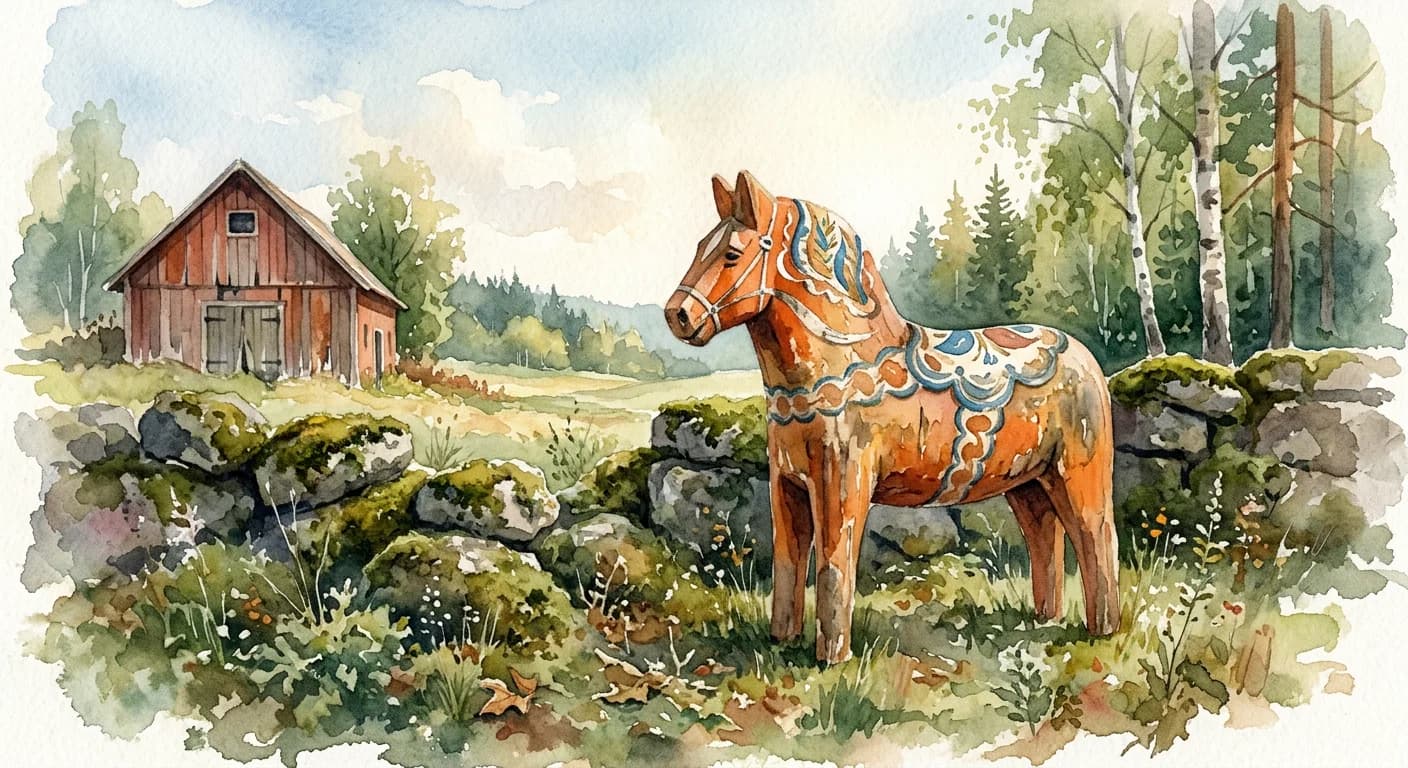
    Artistic representation of Gamal
    Swedish•
    🇸🇪Sweden

    Gamal

    /GAH-mal/

    Meaning

    While literally translating to 'old,' "gamal" in Swedish transcends mere age, embodying a profound reverence for history and the enduring passage of time. It evokes the spirit of things that have witnessed generations, carrying stories within their very fabric. This word suggests not just a state of being ancient, but a quality of venerable wisdom, often associated with cherished heirlooms, ancient landscapes, or deeply ingrained traditions that connect the past to the present.

    Literal Translation

    old

    The Story Behind the Word

    The persistence of "gamal" in Swedish, particularly in dialects and historical contexts, reflects a deep-seated Nordic appreciation for longevity, heritage, and the cycles of nature. In a land shaped by harsh seasons and enduring landscapes, old things often signify resilience and continuity. The word suggests a cultural value placed on objects and traditions that have proven their worth through time, fostering a connection to ancestors and a sense of rootedness. It speaks to a worldview where the past is not just a discarded memory but a living presence, informing identity and providing comfort through its steadfastness.

    Experience It

    The Gamal Stuga

    Grandfather pointed to the weathered red cottage nestled among the birches. "Det är en gamal stuga," he said softly, his voice full of warmth. Its crooked windows and mossy roof told tales of countless summers and winters, a silent testament to generations of family life.

    Gamal Sång

    At the Midsummer celebration, the villagers joined hands for a ring dance, singing a familiar melody. "Det är en gamal sång," whispered an elderly woman, her eyes twinkling. The ancient tune, passed down through the ages, wove a thread of shared memory through the festive air.

    The Deeper Meaning

    The usage of "gamal" reveals a philosophical stance that values endurance and the wisdom gleaned from time. It suggests that true worth is often accumulated through longevity and resilience, rather than novelty. This perspective fosters a deep respect for history, tradition, and the inherent beauty of things that have survived and thrived through many seasons of life.

    Did You Know?

    The word "gamal" shares its linguistic roots with the English word "old," both stemming from a Proto-Germanic origin, highlighting a shared ancient heritage.

    How It's Used

    Used in Swedish, particularly in older texts or regional dialects, to refer to something that is old, often with a sense of fondness or respect for its history.

    Emotions
    belonging,nostalgia,warmth
    Contexts
    family,nature,seasons
    🇸🇪Sweden

    by Annelise Dubois·Written Mar 14, 2026·Updated Apr 3, 2026

    Related Words

    Explore more
    HyggeDanish

    Hygge is more than mere coziness; it's a holistic embrace of comfort, warmth, and belonging that nourishes the soul. It describes the intentional creation of an intimate atmosphere where simple pleasures, genuine connection, and mindful presence converge, fostering a profound sense of contentment and well-being. It's about finding joy and peace in the small, everyday moments, often shared with loved ones.

    SaudadePortuguese

    Saudade encapsulates a profound, melancholic longing for something or someone cherished that is absent, often with the bittersweet knowledge that it may never return. It's a deep emotional state tinged with nostalgia, evoking a sense of loss for past experiences, places, or people, yet also holding a tender appreciation for the beauty of what once was. This yearning is not merely sadness, but a complex tapestry of desire, memory, and a poignant acceptance of absence, holding the beloved in a warm, persistent embrace within the heart.

    GezelligDutch

    Gezellig encapsulates a profound sense of warmth, belonging, and convivial comfort, extending beyond mere coziness to embrace the social and emotional atmosphere. It's the feeling of being truly at ease, surrounded by good company, laughter, and a shared sense of contentment. This untranslatable term describes not just a physical space, but a holistic experience where time seems to slow down, fostering genuine connection and a deep sense of well-being.

    Dolce far nienteItalian

    Dolce far niente captures the profound joy and effortless pleasure derived from simply existing without obligation or purpose. It's the art of savoring moments of pure, unadulterated idleness – lying in the sun, watching the clouds drift, or enjoying a leisurely coffee – not as a break from work, but as a valuable state in itself. This 'sweetness of doing nothing' is a conscious embrace of stillness and contentment, allowing the soul to breathe and the senses to fully engage with the present.