U.
HomeRegionsLanguagesEmotionsCollections
Find Your Word

“The limits of my language mean the limits of my world.”

— Ludwig Wittgenstein, Philosopher

Untranslatable

A curated collection of the world's most beautiful expressions—words that remind us language is humanity's greatest invention.

  • Home
  • Collections
  • Regions
  • Countries
  • Emotions
  • Tags
  • Contexts
  • Finder
  • Europe
  • Asia
  • Americas
  • Africa
  • Middle East
  • About
  • Contact
  • Privacy Policy
  • Terms of Service

2026 © Untranslatable. All rights reserved.

    /
    /
    1. Home
    2. /
    3. Americas
    4. /
    5. Gaucho
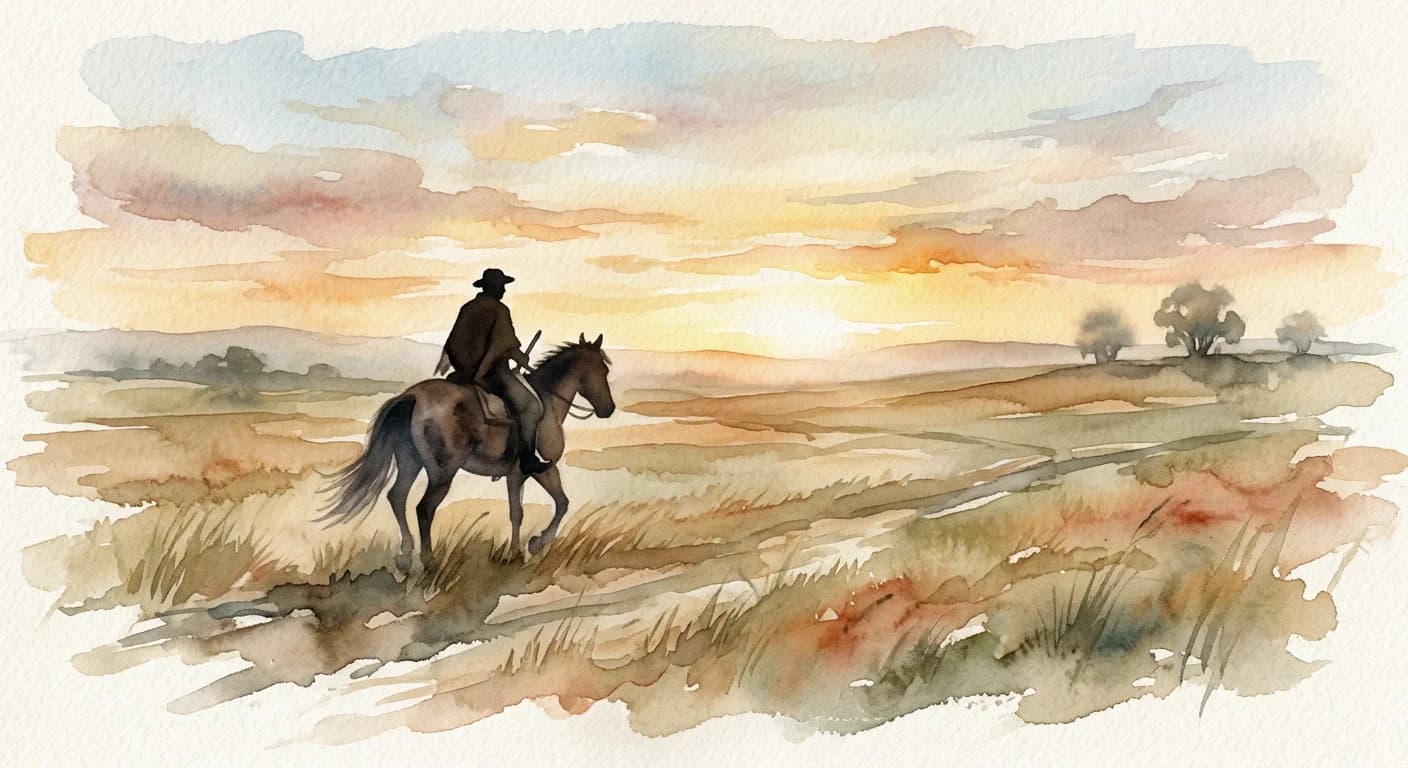
    Artistic representation of Gaucho
    Spanish•
    🇦🇷Argentina🇧🇷Brazil🇺🇾Uruguay

    Gaucho

    /GOW-cho/

    Meaning

    The term 'gaucho' evokes a powerful image of the nomadic horsemen of the South American Pampas, particularly in Argentina and Uruguay. Far beyond a mere occupation, it encapsulates a spirit of fierce independence, rugged resilience, and an almost spiritual communion with the vast, untamed land. These legendary figures, masters of horsemanship and cattle herding, embody a romanticized ideal of rural identity, their lives interwoven with folklore, music, and a profound sense of self-reliance that has shaped national consciousness.

    Literal Translation

    Cowboy, herdsman

    The Story Behind the Word

    The 'gaucho' emerged during the colonial and post-colonial periods in the Río de la Plata region, forged by the expansive, untamed Pampas and the abundance of wild cattle. Initially marginalized, they became crucial during the wars of independence, their equestrian skills and knowledge of the land proving invaluable. This history cemented their status as symbols of freedom and national identity, contrasting with European urbanity. The gaucho represents a philosophy of self-sufficiency, respect for nature, and a deep, intuitive understanding of their environment. Their cultural practices, from their distinct attire (poncho, facón, boleadoras) to their music (payada) and communal mate rituals, reflect a life lived in harmony with the land, valuing honor, courage, and hospitality above all else. They are the quintessential embodiment of criollo heritage.

    Experience It

    The Payada Duel

    Under the vast, star-studded Pampa sky, two gauchos sat by a crackling fire, their guitars ready. One began a spontaneous verse, a 'payada,' challenging the other's wit and poetic skill, their voices carrying tales of the land and life, a testament to their deep cultural roots.

    Riding the Storm

    A seasoned gaucho, poncho pulled tight against the biting wind, expertly guided his horse through a sudden Patagonian storm. His eyes, weathered by sun and wind, scanned the horizon, a silent understanding passing between man and beast as they faced nature's raw power.

    The Deeper Meaning

    'Gaucho' embodies a philosophy of existential freedom and self-reliance, where an individual's worth is measured by their skill, courage, and connection to nature, rather than societal constructs. It champions a life lived authentically, with a deep appreciation for simplicity, loyalty, and the vast, untamed beauty of the world, reflecting an anti-authoritarian spirit and a profound respect for personal liberty.

    Did You Know?

    The 'facón,' a large knife carried by gauchos, wasn't just a tool; it was an extension of their identity, used for everything from eating to self-defense, and often central to their code of honor.

    How It's Used

    Used to refer to the traditional horsemen and cowboys of the South American plains, particularly in Argentina, Uruguay, and southern Brazil. It denotes a cultural identity tied to rural life, horsemanship, and a specific historical period.

    Emotions
    belonging,nostalgia,pride
    Contexts
    cultural identity,nature,travel,work
    🇦🇷Argentina🇧🇷Brazil🇺🇾Uruguay

    by Sofia Rossi·Written Mar 14, 2026·Updated Apr 3, 2026

    Related Words

    Explore more
    SobremesaSpanish

    Sobremesa is the cherished, often extended period immediately following a meal, particularly lunch or dinner, where diners remain seated at the table to enjoy conversation, coffee, and digest not just the food, but the company itself. It’s a dedicated time for unhurried social bonding, storytelling, and shared laughter, transforming a simple meal into a profound communal experience. Far from just clearing the dishes, sobremesa is an integral part of Spanish social life, often lasting for hours.

    Pura vidaSpanish

    More than just 'pure life,' "Pura vida" encapsulates a profound philosophy of embracing the present moment with unwavering optimism and gratitude. It's a daily commitment to finding joy in simple pleasures, accepting life's challenges with a positive spirit, and prioritizing well-being over material possessions. This ubiquitous phrase reflects a national identity built on resilience, community, and an deep appreciation for nature's bounty.

    MamihlapinatapaiYaghan

    Mamihlapinatapai encapsulates that profound, unspoken moment when two individuals lock eyes, each silently acknowledging a mutual desire or intention, yet both hesitate to be the first to act upon it. It's a delicate dance of anticipation, a shared gaze brimming with common understanding and a quiet longing for the other to break the ice. This intricate look carries the weight of a shared, uninitiated potential, a silent conversation where both parties are perfectly aware of what could happen, but neither makes the first move.

    UbuntuZulu/Xhosa

    Ubuntu is a profound African philosophy that translates to 'I am because we are,' signifying that an individual's humanity is inextricably linked to the humanity of others. It embodies the belief that our existence and well-being are deeply intertwined with the community. This concept emphasizes compassion, reciprocity, dignity, and the understanding that true fulfillment is found not in isolation, but through collective flourishing and mutual support. It's a call to recognize and affirm the humanity in everyone, fostering a sense of interconnectedness.