U.
HomeRegionsLanguagesEmotionsCollections
Find Your Word

“The limits of my language mean the limits of my world.”

— Ludwig Wittgenstein, Philosopher

Untranslatable

A curated collection of the world's most beautiful expressions—words that remind us language is humanity's greatest invention.

  • Home
  • Collections
  • Regions
  • Countries
  • Emotions
  • Tags
  • Contexts
  • Finder
  • Europe
  • Asia
  • Americas
  • Africa
  • Middle East
  • About
  • Contact
  • Privacy Policy
  • Terms of Service

2026 © Untranslatable. All rights reserved.

    /
    /
    1. Home
    2. /
    3. Europe
    4. /
    5. Chapuza
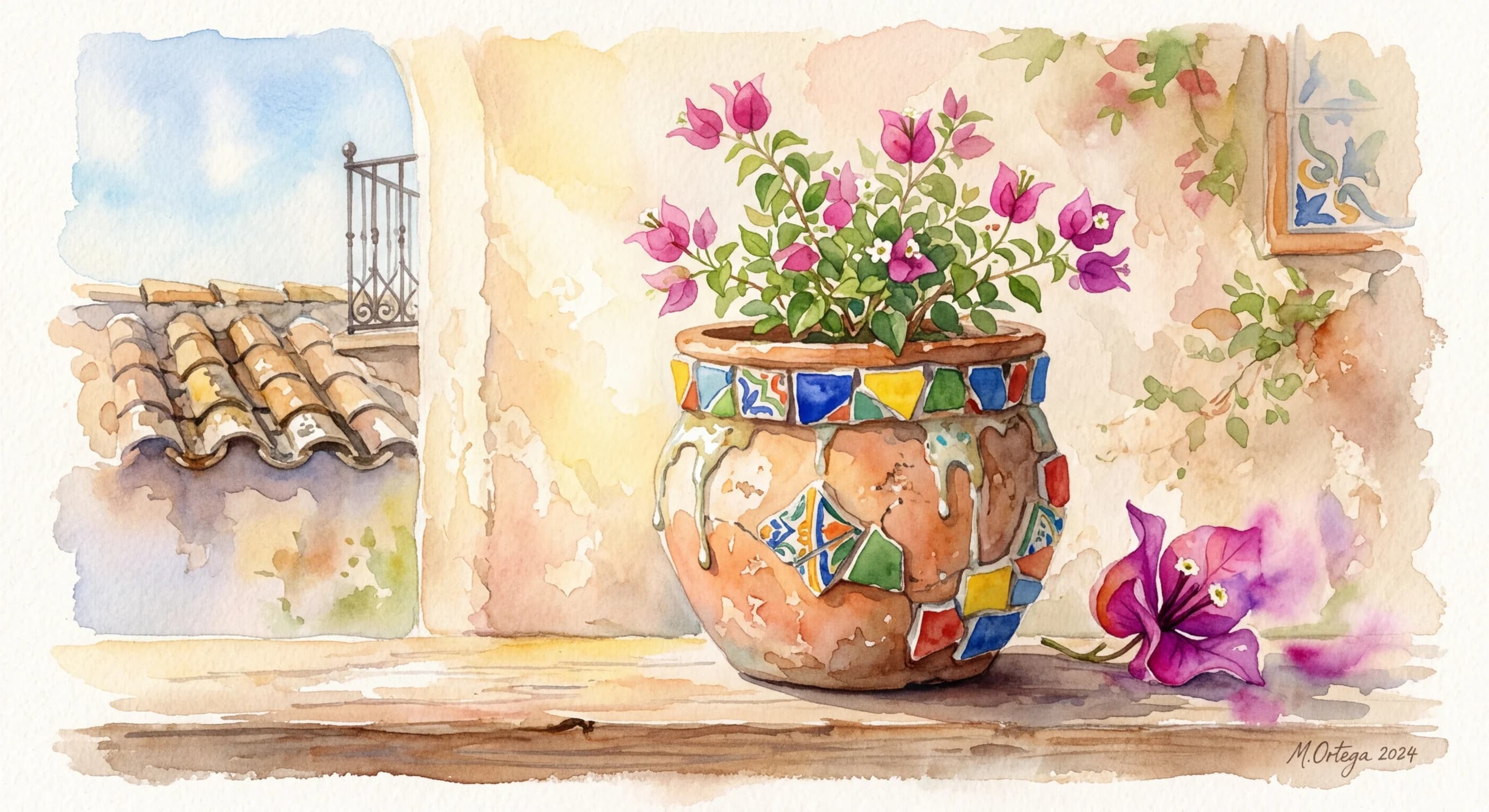
    Artistic representation of Chapuza
    Spanish•
    🇪🇸Spain

    Chapuza

    /cha-POO-tha (Spain) / cha-POO-sa (Latin America)/

    Meaning

    A "chapuza" is more than just a mistake; it's a monumental botch, a piece of work so carelessly or incompetently executed that it elicits a sigh of exasperation rather than mere disappointment. It speaks to a profound lack of dedication, skill, or even basic common sense in its creation, often with visible, frustratingly amateurish results. The term carries a distinctly Spanish flavor of lamenting a job not just imperfect, but fundamentally disrespectful to the craft and the recipient.

    Literal Translation

    Botch, bungled job

    The Story Behind the Word

    The existence and frequent use of "chapuza" in Spanish culture points to a deep-seated value placed on craftsmanship, diligence, and proper execution, especially in tasks involving manual labor or skilled trades. Spain has a rich history of artisanal work, from intricate Moorish architecture to fine leather goods, where attention to detail and quality were paramount. A "chapuza" thus represents a cultural affront to this tradition, highlighting a collective disdain for shortcuts, laziness, and a lack of pride in one's work. It reflects a worldview where effort and competence are expected, and their absence is met with a mixture of humor, frustration, and often, a resigned shake of the head at human fallibility.

    Experience It

    DIY Disaster

    After attempting to fix the leaky faucet himself, Juan surveyed the flooded bathroom and the still-dripping tap. "¡Qué chapuza!" he muttered, realizing he'd made it worse than before and would now have to call a professional.

    Botched Bureaucracy

    Marta received her new ID card, only to find her photo was upside down and her birthdate incorrect. "Esto es una auténtica chapuza," she sighed, bracing herself for another long queue at the government office to rectify the mess.

    The Deeper Meaning

    The prevalence of "chapuza" suggests a cultural philosophy that values not just the outcome, but the process and integrity of work. It underscores a belief that effort, skill, and conscientiousness are moral imperatives in any task, whether grand or mundane. A "chapuza" isn't just an inefficiency; it's a failure of character, a visible manifestation of a lack of respect for standards and for those who will experience the result.

    Did You Know?

    The word "chapuza" is thought to derive from the Portuguese "chapuz," meaning a bungling or clumsy action, highlighting its historical connection to imperfect execution.

    How It's Used

    Used to describe a poorly executed task, repair, or creation, often implying a lack of skill or effort.

    Emotions
    anger,joy
    Contexts
    home,work
    🇪🇸Spain

    by Sofia Rossi·Written Mar 10, 2026·Updated Apr 3, 2026

    Related Words

    Explore more
    HyggeDanish

    Hygge is more than mere coziness; it's a holistic embrace of comfort, warmth, and belonging that nourishes the soul. It describes the intentional creation of an intimate atmosphere where simple pleasures, genuine connection, and mindful presence converge, fostering a profound sense of contentment and well-being. It's about finding joy and peace in the small, everyday moments, often shared with loved ones.

    SaudadePortuguese

    Saudade encapsulates a profound, melancholic longing for something or someone cherished that is absent, often with the bittersweet knowledge that it may never return. It's a deep emotional state tinged with nostalgia, evoking a sense of loss for past experiences, places, or people, yet also holding a tender appreciation for the beauty of what once was. This yearning is not merely sadness, but a complex tapestry of desire, memory, and a poignant acceptance of absence, holding the beloved in a warm, persistent embrace within the heart.

    GezelligDutch

    Gezellig encapsulates a profound sense of warmth, belonging, and convivial comfort, extending beyond mere coziness to embrace the social and emotional atmosphere. It's the feeling of being truly at ease, surrounded by good company, laughter, and a shared sense of contentment. This untranslatable term describes not just a physical space, but a holistic experience where time seems to slow down, fostering genuine connection and a deep sense of well-being.

    Dolce far nienteItalian

    Dolce far niente captures the profound joy and effortless pleasure derived from simply existing without obligation or purpose. It's the art of savoring moments of pure, unadulterated idleness – lying in the sun, watching the clouds drift, or enjoying a leisurely coffee – not as a break from work, but as a valuable state in itself. This 'sweetness of doing nothing' is a conscious embrace of stillness and contentment, allowing the soul to breathe and the senses to fully engage with the present.