Harpa
/HAR-pah/
Meaning
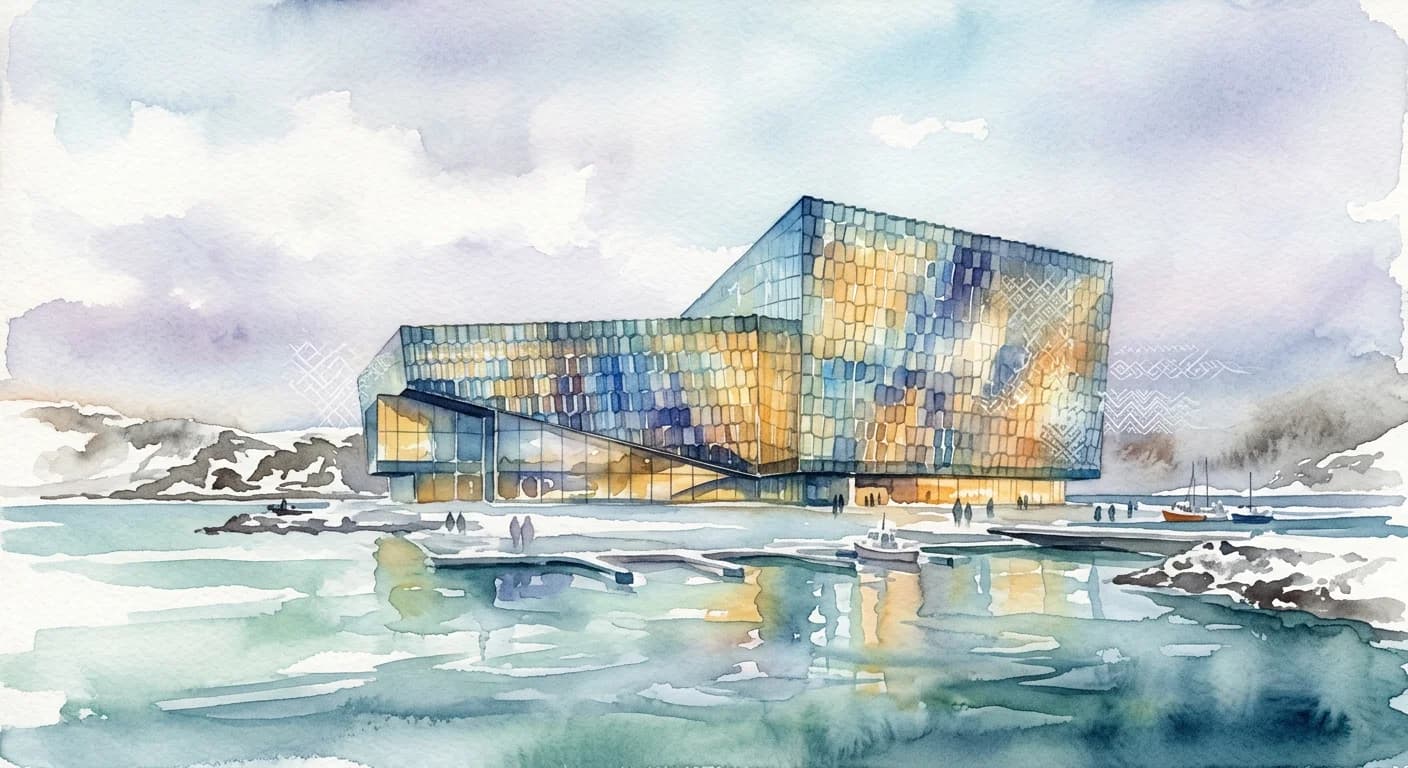
While literally meaning 'harp,' Harpa primarily refers to Reykjavík's iconic concert hall and conference center. This architectural masterpiece is a luminous beacon of Icelandic culture, its glass facade mirroring the dramatic Arctic skies and the country's unique basalt formations. More than a building, it symbolizes national resilience, artistic aspiration, and the harmonious integration of nature's raw beauty with modern design, inspiring a deep sense of pride and wonder.
Literal Translation
Harp
The Story Behind the Word
The Harpa concert hall, completed in 2011 amidst the profound economic turmoil of the 2008 financial crisis, stands as a powerful testament to Icelandic resilience and belief in the power of art and culture. Its continued construction during a period of national despair was a defiant act of optimism, a collective investment in the future and the soul of the nation. The design, by Henning Larsen Architects and Batteríið Architects with Ólafur Elíasson, draws direct inspiration from Iceland's natural landscape—particularly the hexagonal basalt columns and the shimmering Northern Lights. This deep connection to nature is crucial to Icelandic identity; the building itself becomes a dialogue between the elemental forces of the land and human creativity. Harpa embodies a cultural philosophy that sees art, music, and architectural beauty not as luxuries, but as fundamental necessities for national spirit and communal healing. It reveals a people who find strength and identity in their unique environment and express their collective spirit through ambitious, beautiful creations.
Experience It
Evening at Harpa
As the sun dipped below the horizon, casting a golden glow on Reykjavík, Elín and Jón walked towards the shimmering Harpa. Tonight, they were attending a performance by the Icelandic Symphony Orchestra, a cherished ritual for them. The building's glass panels seemed to breathe, reflecting the changing light, a perfect prelude to the beauty within.
Discussing the Crisis
At a café, Guðrún recounted the difficult years after the financial crash. 'It felt like everything was falling apart,' she sighed, 'but then they kept building Harpa. It was like a promise, a symbol that we would get through it, that our culture would endure.'
The Deeper Meaning
Harpa encapsulates the Icelandic philosophy of 'þetta reddast' (it will all work out), demonstrating a profound national optimism and resilience in the face of adversity. It suggests that even in times of crisis, investing in beauty, art, and communal spaces is essential for societal well-being and national identity. The building itself is a metaphor for enduring strength, drawing inspiration from nature to create something magnificent and lasting.
Did You Know?
The construction of Harpa was nearly halted due to the 2008 financial crisis, but the Icelandic government decided to fully fund its completion, viewing it as a crucial investment in the nation's morale and cultural future.
How It's Used
Used to refer to the concert hall in Reykjavík, Iceland, or the musical instrument.