U.
HomeRegionsLanguagesEmotionsCollections
Find Your Word

“The limits of my language mean the limits of my world.”

— Ludwig Wittgenstein, Philosopher

Untranslatable

A curated collection of the world's most beautiful expressions—words that remind us language is humanity's greatest invention.

  • Home
  • Collections
  • Regions
  • Countries
  • Emotions
  • Tags
  • Contexts
  • Finder
  • Europe
  • Asia
  • Americas
  • Africa
  • Middle East
  • About
  • Contact
  • Privacy Policy
  • Terms of Service

2026 © Untranslatable. All rights reserved.

    /
    /
    1. Home
    2. /
    3. Africa
    4. /
    5. Impi
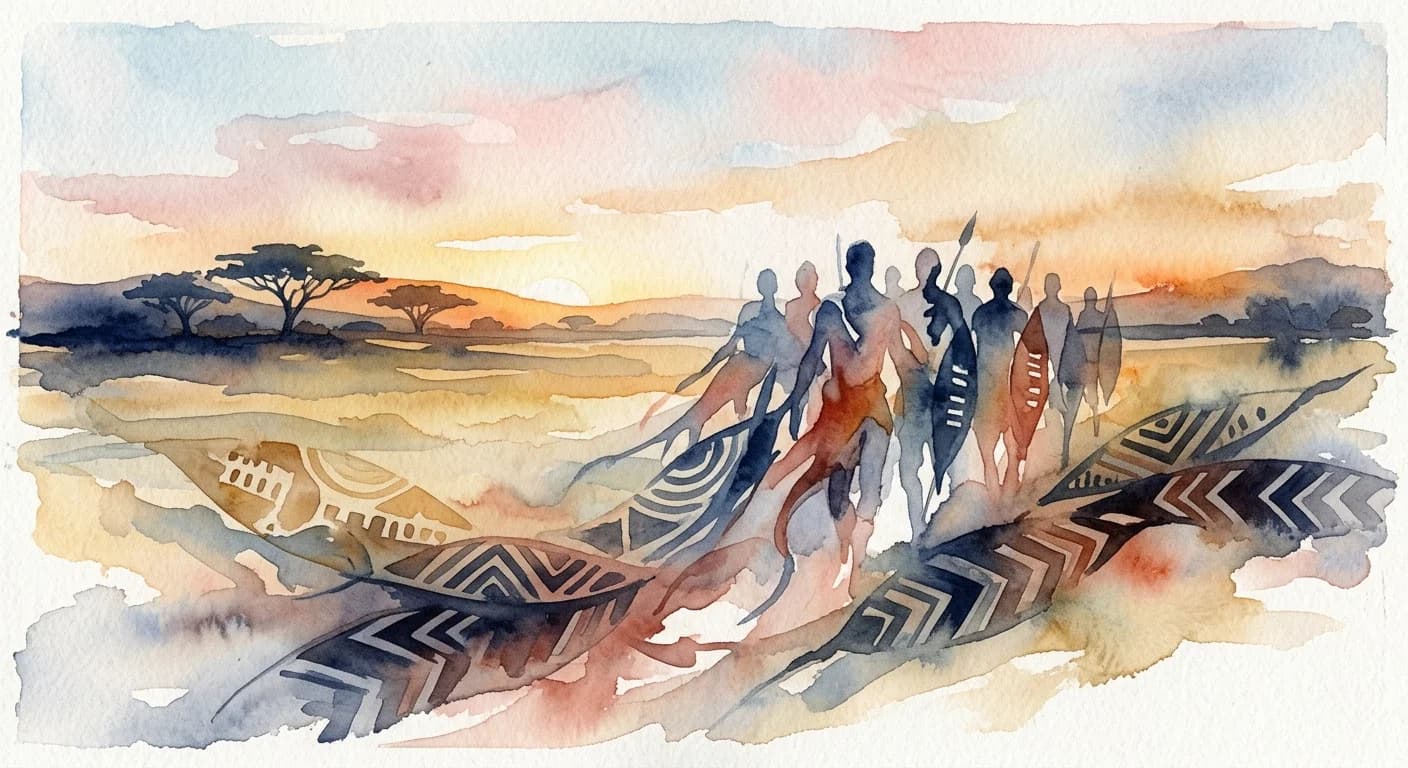
    Artistic representation of Impi
    Zulu•
    🇿🇦South Africa

    Impi

    /EEM-pee/

    Meaning

    The term 'impi' transcends a mere military unit; it embodies the disciplined, courageous, and fiercely loyal regiments of Zulu warriors who forged and defended their nation. It evokes the powerful image of an organized force, not just of individual fighters, but of men bound by a common identity, unwavering commitment to their chief, and a collective spirit. 'Impi' represents a profound symbol of resilience, national pride, and the indomitable spirit of a people who faced formidable challenges with unity and bravery.

    Literal Translation

    regiment, troop, army

    The Story Behind the Word

    The 'impi' is central to understanding the historical and cultural fabric of the Zulu nation. Under leaders like Shaka Zulu, the impi system was revolutionized, transforming scattered clans into a formidable military power. This wasn't just about warfare; it was a societal structure where young men were trained from adolescence, instilled with discipline, honor, and a deep sense of communal responsibility. The impi system fostered a collective identity, where individual glory was secondary to the success and defense of the nation. It reflects a worldview prioritizing communal strength, hierarchical respect, and an unyielding defense of ancestral lands and sovereignty, shaping the Zulu's enduring legacy of resistance and pride against colonial encroachment.

    Experience It

    Call to Arms

    As news of an encroaching threat spread through the kraals, the chief's messengers sounded the call. Young men, hardened by training and eager to protect their families, gathered swiftly. They formed their 'impi', their shields gleaming, their spears ready, a living wall of communal defense.

    Echoes of Battle

    Standing on the hallowed ground of Isandlwana, the historian spoke of the 'impi'. He described not just the numbers, but the coordinated formations, the disciplined charges, and the sheer courage that allowed them to overcome overwhelming odds, forever etching their name into the annals of resistance.

    The Deeper Meaning

    The concept of 'impi' reveals a profoundly communal and duty-bound worldview. It underscores that true strength lies not in individual prowess alone, but in disciplined collective action, unwavering loyalty to leadership, and a shared commitment to the survival and honor of the group. It reflects a philosophy where personal sacrifice for the greater good of the nation is the highest form of valor.

    Did You Know?

    Zulu 'impi' regiments were highly organized, often named after animals or natural phenomena, and their distinctive shield patterns and war cries were crucial for battlefield identification and psychological impact.

    How It's Used

    Used to refer to a Zulu military regiment or a group of warriors, often in historical or cultural contexts.

    Emotions
    belonging,pride,resilience
    Contexts
    conflict,cultural identity,history
    🇿🇦South Africa

    by Sofia Rossi·Written Mar 14, 2026·Updated Apr 3, 2026

    Related Words

    Explore more
    SobremesaSpanish

    Sobremesa is the cherished, often extended period immediately following a meal, particularly lunch or dinner, where diners remain seated at the table to enjoy conversation, coffee, and digest not just the food, but the company itself. It’s a dedicated time for unhurried social bonding, storytelling, and shared laughter, transforming a simple meal into a profound communal experience. Far from just clearing the dishes, sobremesa is an integral part of Spanish social life, often lasting for hours.

    JugaadHindi

    Jugaad is more than just a quick fix; it embodies the spirit of resourceful, ingenious improvisation in the face of scarcity or systemic challenges. It's the art of bending rules, repurposing materials, and thinking outside the box to achieve a desired outcome, often with limited financial or technological resources. This approach celebrates clever workarounds and innovative adaptations, turning constraints into catalysts for creative problem-solving. It's about making do and making something work, brilliantly.

    SisuFinnish

    Sisu embodies a profound inner fortitude, an unwavering resolve that manifests as extraordinary determination and courage, particularly when facing seemingly insurmountable obstacles. It’s the deep-seated grit to persevere against all odds, to push through physical and mental exhaustion, and to maintain an unyielding spirit even when defeat appears inevitable. Sisu is not a fleeting burst of bravery, but a sustained, quiet resilience that compels one to act and endure when all rational hope is lost, drawing on an almost primal wellspring of strength.

    UbuntuZulu/Xhosa

    Ubuntu is a profound African philosophy that translates to 'I am because we are,' signifying that an individual's humanity is inextricably linked to the humanity of others. It embodies the belief that our existence and well-being are deeply intertwined with the community. This concept emphasizes compassion, reciprocity, dignity, and the understanding that true fulfillment is found not in isolation, but through collective flourishing and mutual support. It's a call to recognize and affirm the humanity in everyone, fostering a sense of interconnectedness.