U.
HomeRegionsLanguagesEmotionsCollections
Find Your Word

“The limits of my language mean the limits of my world.”

— Ludwig Wittgenstein, Philosopher

Untranslatable

A curated collection of the world's most beautiful expressions—words that remind us language is humanity's greatest invention.

  • Home
  • Collections
  • Regions
  • Countries
  • Emotions
  • Tags
  • Contexts
  • Finder
  • Europe
  • Asia
  • Americas
  • Africa
  • Middle East
  • About
  • Contact
  • Privacy Policy
  • Terms of Service

2026 © Untranslatable. All rights reserved.

    /
    /
    1. Home
    2. /
    3. Europe
    4. /
    5. Ingenio
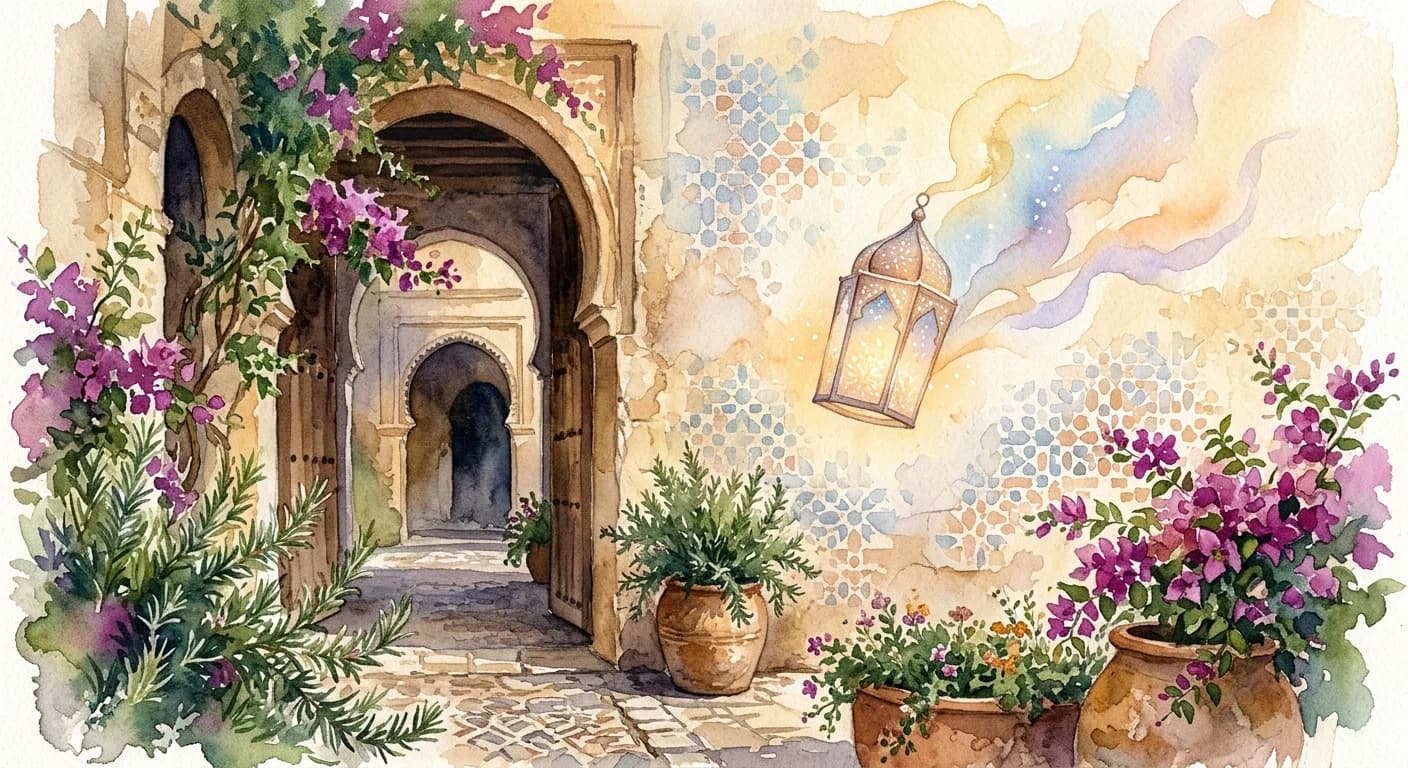
    Artistic representation of Ingenio
    Spanish•
    🇦🇷Argentina🇧🇴Bolivia🇨🇱Chile🇨🇴Colombia🇨🇷Costa Rica🇨🇺Cuba🇩🇴Dominican Republic🇪🇨Ecuador🇸🇻El Salvador🇬🇹Guatemala🇭🇳Honduras🇮🇹Italy🇲🇽Mexico🇳🇮Nicaragua🇵🇦Panama🇵🇾Paraguay🇵🇪Peru🇵🇹Portugal🇵🇷Puerto Rico🇪🇸Spain🇺🇾Uruguay🇻🇪Venezuela

    Ingenio

    /een-HEN-ee-oh/

    Meaning

    Ingenio describes a vibrant, quick-witted cleverness, a spontaneous flash of original thought that effortlessly crafts ingenious solutions or dazzling creations. It transcends mere intelligence, embodying a natural flair for invention, a resourceful spirit, and an almost artistic talent for problem-solving. This concept celebrates the human capacity for innovative adaptation, where a novel approach or a brilliant workaround is not just valued, but often the key to navigating life's complexities with grace and a touch of brilliance. It captures the sheer delight of a well-executed, smart idea.

    Literal Translation

    Ingenuity, cleverness, wit

    The Story Behind the Word

    The concept of "ingenio" is deeply woven into the fabric of Spanish culture, reflecting a historical appreciation for quick thinking, adaptability, and a certain artistic flair even in practical matters. From the picaresque literary tradition, where protagonists survive through their sharp wits and cunning, to the everyday necessity of 'rebuscando' (finding clever ways around obstacles), ingenio has been a celebrated trait. It speaks to a cultural resilience and a joy in the creative process, where a clever solution isn't just efficient, but often elegant and even humorous. This value is evident in everything from the improvised solutions in traditional crafts to the rapid-fire wordplay in social interactions, revealing a people who see intelligence not just as academic knowledge, but as a dynamic, life-affirming force.

    Experience It

    The Makeshift Repair

    The old car broke down in the middle of nowhere, and Carlos had no tools. With a piece of wire, a hairpin, and some chewing gum, he fashioned a temporary fix that got them to the next town. Everyone admired his ingenio.

    A Clever Play

    During a tense debate, María’s opponent tried to corner her with a difficult question. With a mischievous twinkle in her eye, she delivered a witty, unexpected retort that not only answered the question but also turned the tables completely, showcasing her remarkable ingenio.

    The Deeper Meaning

    Ingenio reflects a worldview that values practical wisdom and creative problem-solving over rigid adherence to rules or pure theoretical knowledge. It suggests that true intelligence isn't just about knowing facts, but about the dynamic ability to adapt, invent, and find beauty in the unconventional. This highlights a belief in human agency and the power of individual creativity to shape circumstances, asserting that challenges are opportunities for brilliant solutions rather than insurmountable barriers.

    Did You Know?

    The term "ingenio" was also historically used to refer to sugar mills in Latin America, hinting at the mechanical ingenuity required to process sugar cane.

    How It's Used

    Used to describe a person's cleverness, a particularly smart invention or idea, or a clever solution to a problem.

    Emotions
    gratitude,joy,wonder
    Contexts
    celebration,dining,work
    🇦🇷Argentina🇧🇴Bolivia🇨🇱Chile🇨🇴Colombia🇨🇷Costa Rica🇨🇺Cuba🇩🇴Dominican Republic🇪🇨Ecuador🇸🇻El Salvador🇬🇹Guatemala🇭🇳Honduras🇮🇹Italy🇲🇽Mexico🇳🇮Nicaragua🇵🇦Panama🇵🇾Paraguay🇵🇪Peru🇵🇹Portugal🇵🇷Puerto Rico🇪🇸Spain🇺🇾Uruguay🇻🇪Venezuela

    by Anya Petrova·Written Mar 14, 2026·Updated Apr 3, 2026

    Related Words

    Explore more
    HyggeDanish

    Hygge is more than mere coziness; it's a holistic embrace of comfort, warmth, and belonging that nourishes the soul. It describes the intentional creation of an intimate atmosphere where simple pleasures, genuine connection, and mindful presence converge, fostering a profound sense of contentment and well-being. It's about finding joy and peace in the small, everyday moments, often shared with loved ones.

    SaudadePortuguese

    Saudade encapsulates a profound, melancholic longing for something or someone cherished that is absent, often with the bittersweet knowledge that it may never return. It's a deep emotional state tinged with nostalgia, evoking a sense of loss for past experiences, places, or people, yet also holding a tender appreciation for the beauty of what once was. This yearning is not merely sadness, but a complex tapestry of desire, memory, and a poignant acceptance of absence, holding the beloved in a warm, persistent embrace within the heart.

    GezelligDutch

    Gezellig encapsulates a profound sense of warmth, belonging, and convivial comfort, extending beyond mere coziness to embrace the social and emotional atmosphere. It's the feeling of being truly at ease, surrounded by good company, laughter, and a shared sense of contentment. This untranslatable term describes not just a physical space, but a holistic experience where time seems to slow down, fostering genuine connection and a deep sense of well-being.

    Dolce far nienteItalian

    Dolce far niente captures the profound joy and effortless pleasure derived from simply existing without obligation or purpose. It's the art of savoring moments of pure, unadulterated idleness – lying in the sun, watching the clouds drift, or enjoying a leisurely coffee – not as a break from work, but as a valuable state in itself. This 'sweetness of doing nothing' is a conscious embrace of stillness and contentment, allowing the soul to breathe and the senses to fully engage with the present.