U.
HomeRegionsLanguagesEmotionsCollections
Find Your Word

“The limits of my language mean the limits of my world.”

— Ludwig Wittgenstein, Philosopher

Untranslatable

A curated collection of the world's most beautiful expressions—words that remind us language is humanity's greatest invention.

  • Home
  • Collections
  • Regions
  • Countries
  • Emotions
  • Tags
  • Contexts
  • Finder
  • Europe
  • Asia
  • Americas
  • Africa
  • Middle East
  • About
  • Contact
  • Privacy Policy
  • Terms of Service

2026 © Untranslatable. All rights reserved.

    /
    /
    1. Home
    2. /
    3. Europe
    4. /
    5. Folkehjemmet
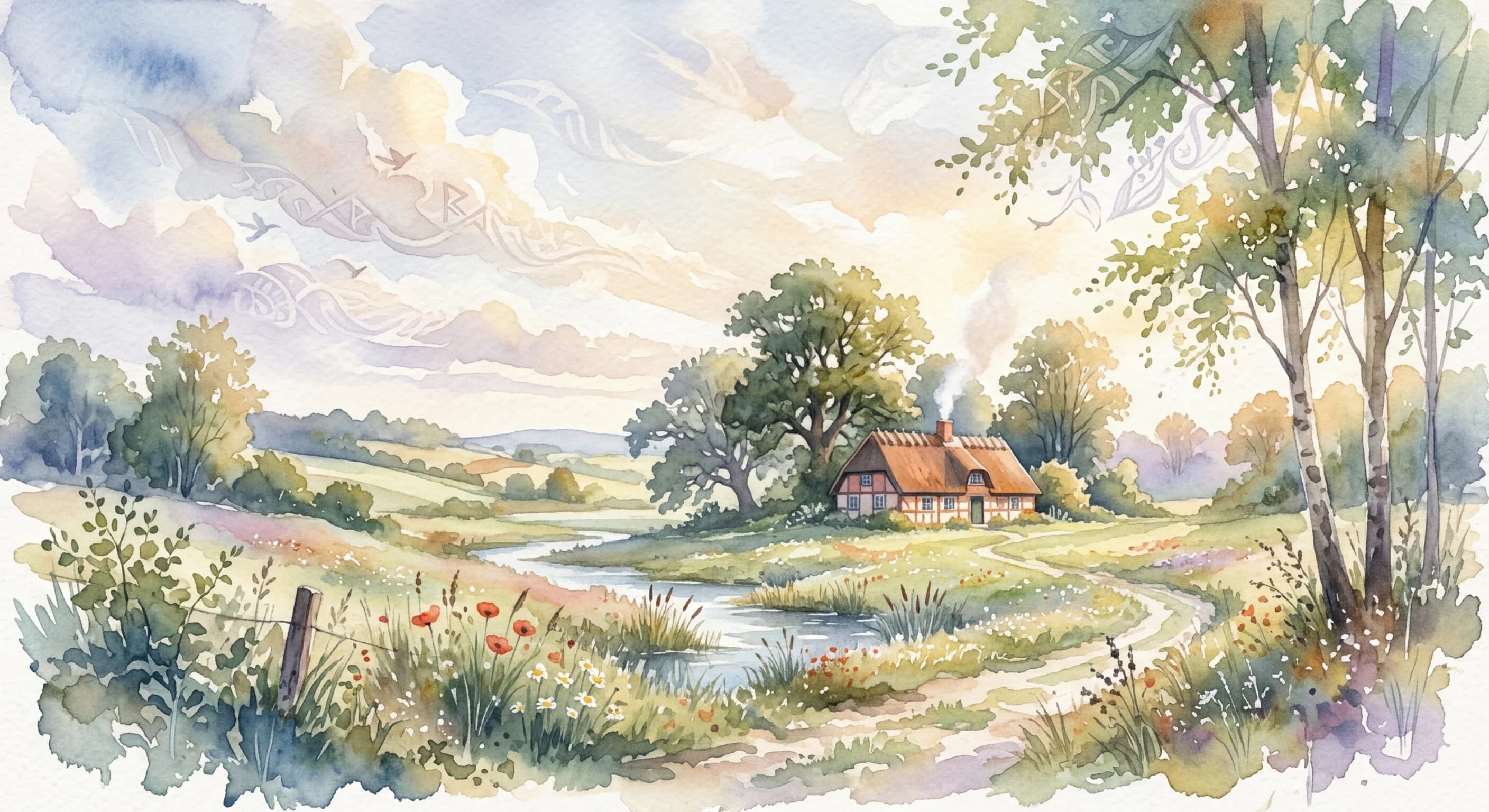
    Artistic representation of Folkehjemmet
    Danish•
    🇩🇰Denmark

    Folkehjemmet

    /FOL-keh-hem-met/

    Meaning

    Folkehjemmet, literally 'the people's home,' transcends a simple translation to embody the Danish societal ideal of a comprehensive welfare state. It envisions a nation where every citizen is a valued member of a communal household, nurtured and protected by shared resources and collective responsibility. This concept fosters a profound sense of belonging and mutual trust, underpinning policies designed to ensure security, equality, and the opportunity for all to flourish within a supportive social fabric.

    Literal Translation

    The people's home

    The Story Behind the Word

    The concept of Folkehjemmet emerged in the late 19th and early 20th centuries, heavily influenced by Scandinavian social democratic movements and figures like N.F.S. Grundtvig, who championed popular education and national unity. It was a deliberate counter-narrative to class conflict, proposing a society where state and citizens worked together like a harmonious family. This vision helped shape the modern Danish welfare state, emphasizing cooperation, universal access to services, and a strong collective identity. It reveals a Danish worldview that prioritizes community well-being over radical individualism, seeing the state as an extension of the collective will rather than an external entity.

    Experience It

    Universal Healthcare Debate

    During a parliamentary debate on healthcare funding, a minister passionately argued, 'This isn't just about budgets; it's about upholding the spirit of Folkehjemmet, ensuring every Dane, rich or poor, has equal access to care. It's our collective promise to one another.'

    Community Project Launch

    At the opening of a new community center, the mayor remarked, 'This center, built for all ages and backgrounds, truly embodies Folkehjemmet. It's a place where we can gather, learn, and support each other, strengthening the bonds of our shared home.'

    The Deeper Meaning

    Folkehjemmet articulates a profound collectivist philosophy where individual flourishing is intrinsically linked to the well-being of the community. It posits that true freedom and security are achieved not through isolation, but through mutual dependence and shared responsibility within a supportive social structure. This worldview challenges purely liberal notions of individualism, advocating for a societal contract rooted in care and solidarity.

    Did You Know?

    The term 'Folkehjemmet' was popularized by Danish Prime Minister Thorvald Stauning in the 1930s, who adapted the Swedish 'Folkhemmet' to articulate Denmark's own unique vision for a welfare society.

    How It's Used

    Used to describe the Danish welfare state model and the societal philosophy behind it, often invoked in discussions about social policy, national identity, and the collective good.

    Emotions
    belonging,comfort,gratitude,peace
    Contexts
    daily life,politics,work
    🇩🇰Denmark

    by Annelise Dubois·Written Mar 10, 2026·Updated Apr 3, 2026

    Related Words

    Explore more
    HyggeDanish

    Hygge is more than mere coziness; it's a holistic embrace of comfort, warmth, and belonging that nourishes the soul. It describes the intentional creation of an intimate atmosphere where simple pleasures, genuine connection, and mindful presence converge, fostering a profound sense of contentment and well-being. It's about finding joy and peace in the small, everyday moments, often shared with loved ones.

    SaudadePortuguese

    Saudade encapsulates a profound, melancholic longing for something or someone cherished that is absent, often with the bittersweet knowledge that it may never return. It's a deep emotional state tinged with nostalgia, evoking a sense of loss for past experiences, places, or people, yet also holding a tender appreciation for the beauty of what once was. This yearning is not merely sadness, but a complex tapestry of desire, memory, and a poignant acceptance of absence, holding the beloved in a warm, persistent embrace within the heart.

    GezelligDutch

    Gezellig encapsulates a profound sense of warmth, belonging, and convivial comfort, extending beyond mere coziness to embrace the social and emotional atmosphere. It's the feeling of being truly at ease, surrounded by good company, laughter, and a shared sense of contentment. This untranslatable term describes not just a physical space, but a holistic experience where time seems to slow down, fostering genuine connection and a deep sense of well-being.

    Dolce far nienteItalian

    Dolce far niente captures the profound joy and effortless pleasure derived from simply existing without obligation or purpose. It's the art of savoring moments of pure, unadulterated idleness – lying in the sun, watching the clouds drift, or enjoying a leisurely coffee – not as a break from work, but as a valuable state in itself. This 'sweetness of doing nothing' is a conscious embrace of stillness and contentment, allowing the soul to breathe and the senses to fully engage with the present.