U.
HomeRegionsLanguagesEmotionsCollections
Find Your Word

“The limits of my language mean the limits of my world.”

— Ludwig Wittgenstein, Philosopher

Untranslatable

A curated collection of the world's most beautiful expressions—words that remind us language is humanity's greatest invention.

  • Home
  • Collections
  • Regions
  • Countries
  • Emotions
  • Tags
  • Contexts
  • Finder
  • Europe
  • Asia
  • Americas
  • Africa
  • Middle East
  • About
  • Contact
  • Privacy Policy
  • Terms of Service

2026 © Untranslatable. All rights reserved.

    /
    /
    1. Home
    2. /
    3. Asia
    4. /
    5. Jinmeisho
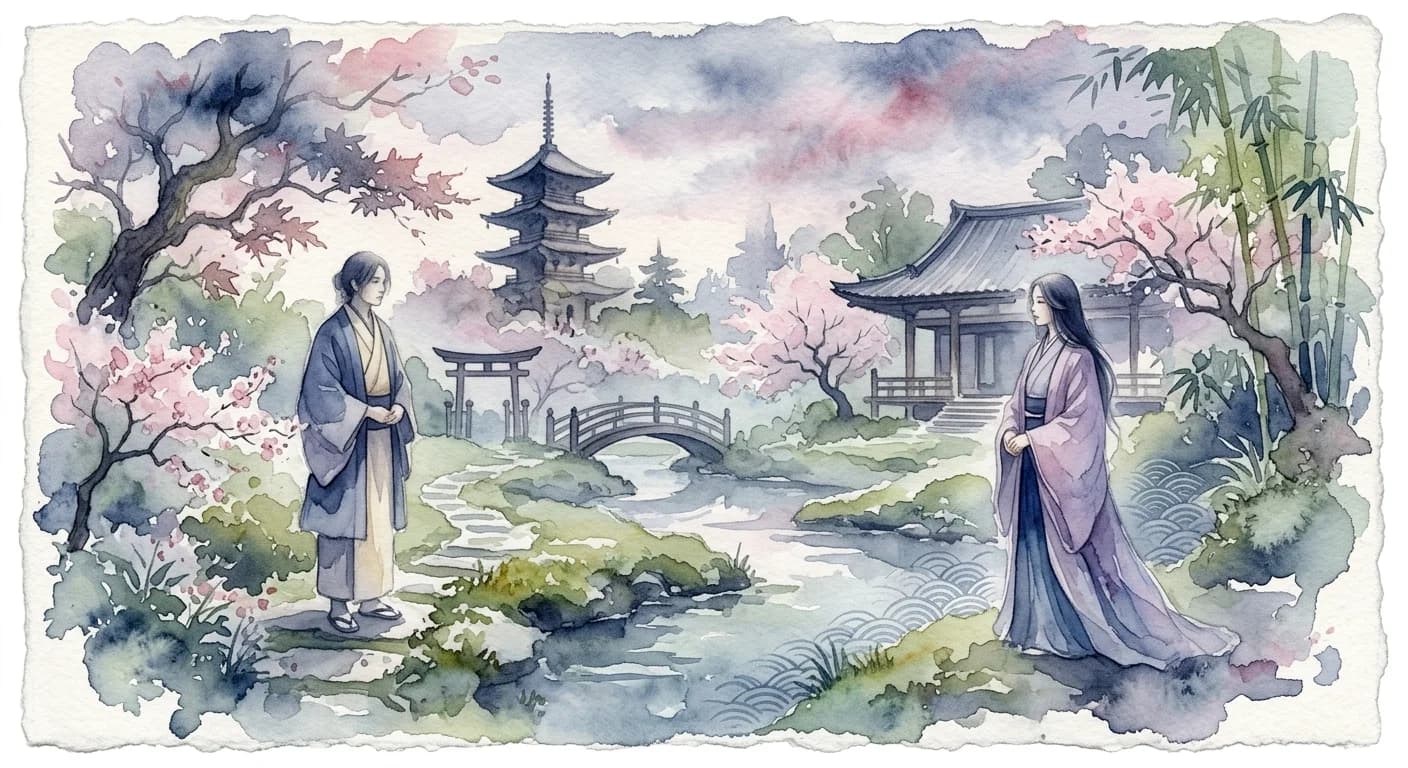
    Artistic representation of Jinmeisho
    Japanese•
    🇯🇵Japan

    Jinmeisho

    /JEEN-may-show/

    Meaning

    Jinmeisho describes the profound, often melancholic recognition and connection one feels upon encountering another person who shares a rare or unusual name, much like one's own. It's an unspoken kinship, a shared understanding that transcends mere coincidence, suggesting a unique destiny or a common, albeit unknown, history. This feeling taps into a sense of shared identity with a stranger, simply because their distinctive name resonates with one's personal rarity, creating an immediate, almost fated bond.

    Literal Translation

    Person-name-famous/known (人名書)

    The Story Behind the Word

    The concept of "jinmeisho" is deeply rooted in Japanese cultural values surrounding individuality within a collective society, and the significance of names. In a country where surnames are often geographically based or linked to historical clans, having a rare name can set one apart. This rarity can evoke a sense of isolation or uniqueness, and encountering another with a similar distinction creates an instant, empathetic bond. It reflects a cultural appreciation for subtle connections and the recognition of shared, often understated, experiences. Japanese society values harmony and belonging, and jinmeisho highlights the unexpected joy and comfort found in discovering a kindred spirit through such an intimate detail as a name, suggesting a deeper, perhaps karmic, alignment.

    Experience It

    Unexpected University Connection

    At a university orientation, Akari, whose surname 'Kizuki' is exceptionally rare, meets another student, Kenji, whose name is 'Kizuki'. A wave of jinmeisho washes over Akari; they both laugh, immediately feeling a unique connection, as if they'd been destined to meet.

    Distant Professional Kinship

    During a business conference, Ms. Ichinose, proud of her unusual surname, is introduced to a speaker, Dr. Ichinose. A knowing smile passes between them, a shared understanding of their distinct identities in a sea of common names. They exchange cards, feeling an instant, unspoken bond.

    The Deeper Meaning

    Jinmeisho reveals a worldview that values subtle synchronicity and the power of shared identity, even in seemingly superficial details like a name. It suggests that life holds hidden patterns and connections, and that encountering someone with a similar, rare identifier can evoke a sense of destiny or a recognition of a shared, unique path in the world. It underscores the human desire for belonging and understanding, found in the most unexpected places.

    Did You Know?

    Japan has over 100,000 different surnames, but a small percentage are extremely common, making rare surnames truly stand out and fostering the conditions for 'jinmeisho'.

    How It's Used

    This term is typically used when someone meets another person with a very uncommon or distinct surname, especially if their own surname is also uncommon. It often arises in casual conversation, perhaps after introductions at a social gathering, a professional event, or even online.

    Emotions
    belonging,nostalgia,wonder
    Contexts
    greeting,social interaction,work
    🇯🇵Japan

    by Annelise Dubois·Written Mar 14, 2026·Updated Apr 3, 2026

    Related Words

    Explore more
    SobremesaSpanish

    Sobremesa is the cherished, often extended period immediately following a meal, particularly lunch or dinner, where diners remain seated at the table to enjoy conversation, coffee, and digest not just the food, but the company itself. It’s a dedicated time for unhurried social bonding, storytelling, and shared laughter, transforming a simple meal into a profound communal experience. Far from just clearing the dishes, sobremesa is an integral part of Spanish social life, often lasting for hours.

    Wabi-sabiJapanese

    Wabi-sabi is the profound appreciation for the ephemeral, the imperfect, and the incomplete aspects of existence. It is about discovering beauty in the subtle textures of age, the unique character of flaws, and the gentle decay that marks the passage of time. This philosophy encourages a quiet acceptance of impermanence and a mindful connection to the natural world, finding elegance in simplicity and authenticity.

    IkigaiJapanese

    Ikigai is more than just a reason to get out of bed; it's a deeply personal and evolving sense of purpose that brings genuine fulfillment and joy to one's life. It represents the sweet spot where your passions, talents, needs of the world, and what you can be paid for beautifully converge. Discovering your ikigai often leads to a life lived with intentionality, resilience, and a profound connection to one's contributions. It's the intrinsic motivation that fuels a meaningful existence, regardless of external circumstances.

    NunchiKorean

    Nunchi is the sophisticated, almost telepathic, ability to instantly grasp the unspoken dynamics of any social situation, anticipating others' thoughts and feelings, and then responding with impeccable grace and timing. It's an acute form of social intuition, allowing one to navigate complex interpersonal landscapes by reading subtle cues like body language, tone, and context. Possessing good nunchi means effortlessly understanding the underlying emotional currents and adjusting one's behavior to maintain harmony and effectiveness, often without a single word exchanged.