U.
HomeRegionsLanguagesEmotionsCollections
Find Your Word

“The limits of my language mean the limits of my world.”

— Ludwig Wittgenstein, Philosopher

Untranslatable

A curated collection of the world's most beautiful expressions—words that remind us language is humanity's greatest invention.

  • Home
  • Collections
  • Regions
  • Countries
  • Emotions
  • Tags
  • Contexts
  • Finder
  • Europe
  • Asia
  • Americas
  • Africa
  • Middle East
  • About
  • Contact
  • Privacy Policy
  • Terms of Service

2026 © Untranslatable. All rights reserved.

    /
    /
    1. Home
    2. /
    3. Europe
    4. /
    5. Estar liado
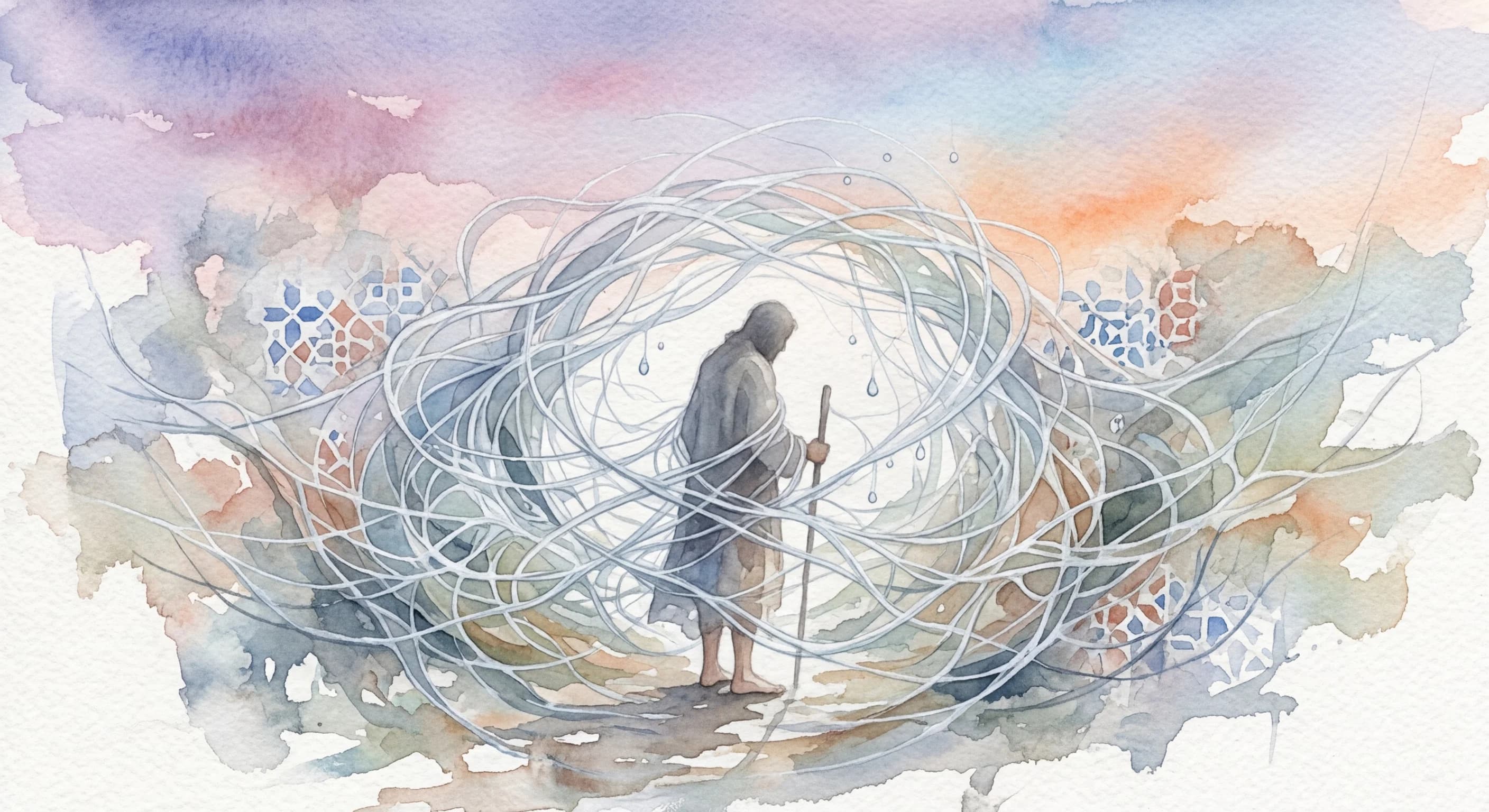
    Artistic representation of Estar liado
    Spanish•
    🇪🇸Spain

    Estar liado

    /eh-STAR lee-AH-doh/

    Meaning

    This Spanish phrase vividly captures a state of being profoundly entangled, not merely busy, but caught in a web of commitments, tasks, or circumstances that feel difficult to unwind. It evokes the sensation of being inextricably bound, whether by a demanding project, a complex personal dilemma, or a relentlessly packed schedule. The implication is a feeling of being consumed and overwhelmed, where extrication is not simple, suggesting a degree of being weighed down or even obstructed by the current situation.

    Literal Translation

    To be tied up

    The Story Behind the Word

    The prevalence of "estar liado" in Spanish culture reflects a societal norm where personal and professional lives often intertwine in a fluid, sometimes chaotic, manner. Unlike some cultures that prioritize strict compartmentalization, Spain often embraces a more integrated approach, leading to situations where one can genuinely feel 'tied up' by a multitude of obligations – family, friends, work, social events – all demanding attention simultaneously. This phrase speaks to a certain acceptance of this intricate dance, acknowledging that life can often feel like a knot of interconnected commitments rather than a neatly organized spreadsheet. It highlights a culture where relationships and shared experiences often take precedence, even if it means feeling perpetually 'liado' by them.

    Experience It

    Work Project Entanglement

    María was asked if she could help with a last-minute report. She sighed, "Lo siento, pero estoy muy liada con el proyecto de la fusión; no puedo ni respirar." (I'm sorry, but I'm really tied up with the merger project; I can't even breathe.)

    Social Obligation Overload

    Juan's friends invited him out for tapas, but he declined. "No puedo, estoy liadísimo con la mudanza y los preparativos de la boda de mi hermana." (I can't, I'm super tied up with the move and my sister's wedding preparations.)

    The Deeper Meaning

    This phrase subtly reflects a worldview where life is less about individual control and more about navigating an intricate web of relationships and responsibilities. It acknowledges the inherent complexity and occasional overwhelm that comes from deeply engaging with one's community and commitments, suggesting a resignation, albeit sometimes a frustrated one, to the interconnectedness of existence rather than a purely individualistic pursuit of efficiency.

    Did You Know?

    The verb 'liar' can also mean 'to roll a cigarette' or 'to get into a fight,' adding to its multifaceted sense of entanglement, whether with tobacco or conflict.

    How It's Used

    Used informally to describe a state of being very busy, complicatedly involved, or stuck in a difficult situation. It can refer to work, personal life, or any circumstance that makes one feel tied up.

    Emotions
    anger,anxiety
    Contexts
    daily life,work
    🇪🇸Spain

    by Annelise Dubois·Written Mar 10, 2026·Updated Apr 3, 2026

    Related Words

    Explore more
    HyggeDanish

    Hygge is more than mere coziness; it's a holistic embrace of comfort, warmth, and belonging that nourishes the soul. It describes the intentional creation of an intimate atmosphere where simple pleasures, genuine connection, and mindful presence converge, fostering a profound sense of contentment and well-being. It's about finding joy and peace in the small, everyday moments, often shared with loved ones.

    SaudadePortuguese

    Saudade encapsulates a profound, melancholic longing for something or someone cherished that is absent, often with the bittersweet knowledge that it may never return. It's a deep emotional state tinged with nostalgia, evoking a sense of loss for past experiences, places, or people, yet also holding a tender appreciation for the beauty of what once was. This yearning is not merely sadness, but a complex tapestry of desire, memory, and a poignant acceptance of absence, holding the beloved in a warm, persistent embrace within the heart.

    GezelligDutch

    Gezellig encapsulates a profound sense of warmth, belonging, and convivial comfort, extending beyond mere coziness to embrace the social and emotional atmosphere. It's the feeling of being truly at ease, surrounded by good company, laughter, and a shared sense of contentment. This untranslatable term describes not just a physical space, but a holistic experience where time seems to slow down, fostering genuine connection and a deep sense of well-being.

    Dolce far nienteItalian

    Dolce far niente captures the profound joy and effortless pleasure derived from simply existing without obligation or purpose. It's the art of savoring moments of pure, unadulterated idleness – lying in the sun, watching the clouds drift, or enjoying a leisurely coffee – not as a break from work, but as a valuable state in itself. This 'sweetness of doing nothing' is a conscious embrace of stillness and contentment, allowing the soul to breathe and the senses to fully engage with the present.