U.
HomeRegionsLanguagesEmotionsCollections
Find Your Word

“The limits of my language mean the limits of my world.”

— Ludwig Wittgenstein, Philosopher

Untranslatable

A curated collection of the world's most beautiful expressions—words that remind us language is humanity's greatest invention.

  • Home
  • Collections
  • Regions
  • Countries
  • Emotions
  • Tags
  • Contexts
  • Finder
  • Europe
  • Asia
  • Americas
  • Africa
  • Middle East
  • About
  • Contact
  • Privacy Policy
  • Terms of Service

2026 © Untranslatable. All rights reserved.

    /
    /
    1. Home
    2. /
    3. Europe
    4. /
    5. Khomus
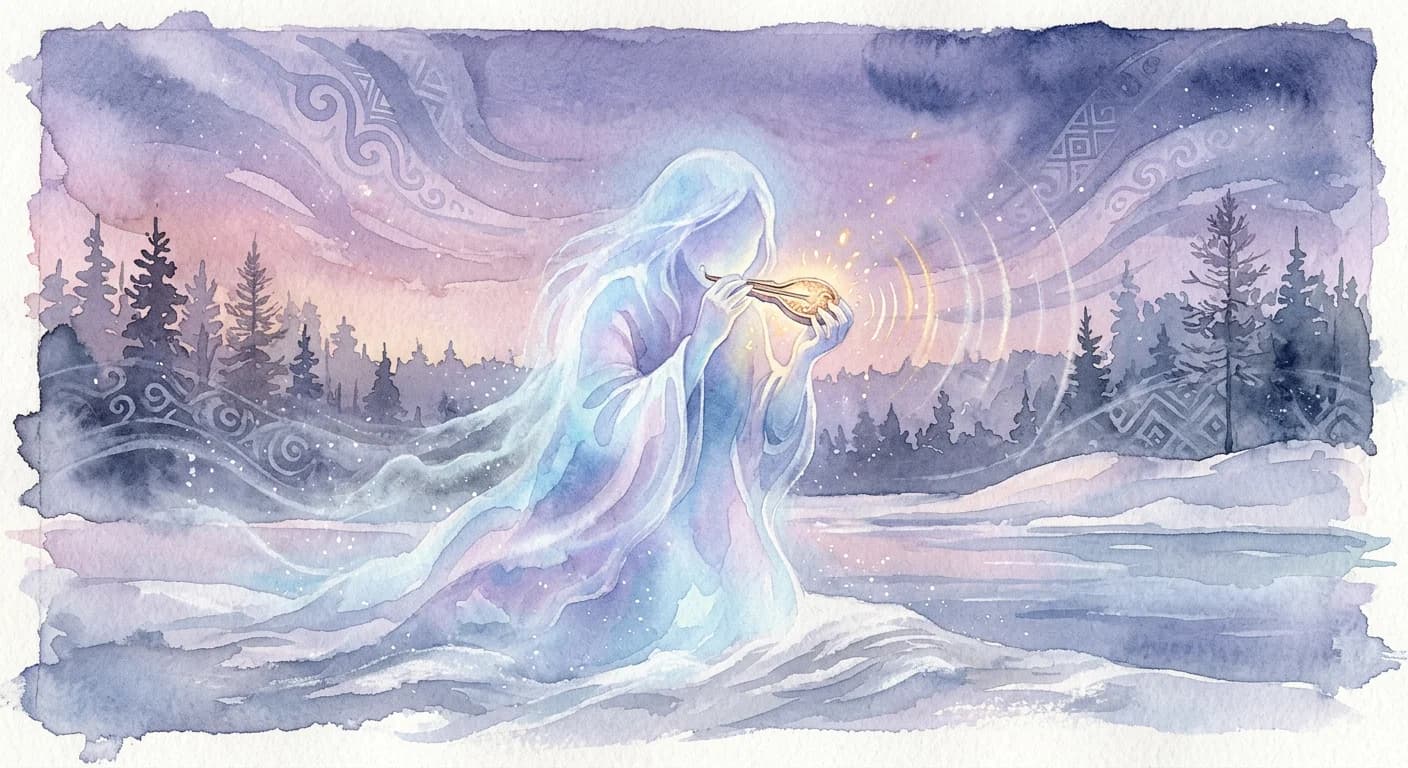
    Artistic representation of Khomus
    Yakut•
    🇷🇺Russia

    Khomus

    /KHOH-moos/

    Meaning

    The Khomus is more than a mere musical instrument; it is a spiritual conduit for the Yakut people, a jaw harp whose resonating vibrations are believed to bridge the earthly and spiritual realms. Its distinctive, often haunting sounds mimic the natural world — the howling wind, the calls of animals, the gurgling of streams — serving as a meditative tool for connecting with the vast Siberian landscape and one's inner self. Playing the khomus is a profound, ancestral practice, evoking the very heartbeat of the land and the ancient wisdom of its inhabitants.

    Literal Translation

    Jaw harp

    The Story Behind the Word

    The Khomus is intrinsically linked to the animistic and shamanistic traditions of the Yakut people, who perceive the world as alive with spirits and interconnected energies. Its existence reflects a worldview where music is not just entertainment but a powerful means of communication, healing, and spiritual journeying. For centuries, the khomus has been central to shamanic rituals, believed to aid shamans in trance states and in communing with spirits for guidance or healing. Beyond ritual, it embodies the Yakut's deep reverence for nature, their resilience in a harsh environment, and their ability to find beauty and spiritual depth in the sounds of their surroundings. It's a sonic representation of their cultural identity and enduring spirit.

    Experience It

    Evening Meditation

    As the Siberian sun dipped below the horizon, an elderly Yakut woman sat by the fire, her fingers deftly plucking the khomus. The buzzing, ethereal notes filled the yurt, carrying her thoughts across the taiga, connecting her to ancestors and the silent wisdom of the land, a daily ritual of peace and introspection.

    Shaman's Call

    During a healing ceremony, the shaman began to play the khomus, its vibrato growing in intensity. The rhythmic sounds guided the assembly into a collective trance, believed to open pathways for the shaman to journey to the spirit world, seeking remedies and insights for the ailing community member.

    The Deeper Meaning

    The Khomus embodies a philosophy of deep interconnectedness: between humanity and nature, the physical and spiritual, the past and present. It suggests that profound truths and healing can be accessed through sound and vibration, reflecting a worldview where the universe is a symphony and each being a note within it. It champions introspection and a harmonious relationship with one's environment as paths to well-being.

    Did You Know?

    The Khomus holds a Guinness World Record for the largest ensemble of jaw harp players, with 1,344 musicians performing simultaneously in Yakutsk in 2011.

    How It's Used

    Used to refer to the Yakut jaw harp and its music, often played during cultural events, ceremonies, or for personal meditative practice.

    Emotions
    belonging,nostalgia,peace,wonder
    Contexts
    celebration,nature,relaxation,solitude
    🇷🇺Russia

    by Annelise Dubois·Written Mar 14, 2026·Updated Apr 3, 2026

    Related Words

    Explore more
    HyggeDanish

    Hygge is more than mere coziness; it's a holistic embrace of comfort, warmth, and belonging that nourishes the soul. It describes the intentional creation of an intimate atmosphere where simple pleasures, genuine connection, and mindful presence converge, fostering a profound sense of contentment and well-being. It's about finding joy and peace in the small, everyday moments, often shared with loved ones.

    SaudadePortuguese

    Saudade encapsulates a profound, melancholic longing for something or someone cherished that is absent, often with the bittersweet knowledge that it may never return. It's a deep emotional state tinged with nostalgia, evoking a sense of loss for past experiences, places, or people, yet also holding a tender appreciation for the beauty of what once was. This yearning is not merely sadness, but a complex tapestry of desire, memory, and a poignant acceptance of absence, holding the beloved in a warm, persistent embrace within the heart.

    GezelligDutch

    Gezellig encapsulates a profound sense of warmth, belonging, and convivial comfort, extending beyond mere coziness to embrace the social and emotional atmosphere. It's the feeling of being truly at ease, surrounded by good company, laughter, and a shared sense of contentment. This untranslatable term describes not just a physical space, but a holistic experience where time seems to slow down, fostering genuine connection and a deep sense of well-being.

    Dolce far nienteItalian

    Dolce far niente captures the profound joy and effortless pleasure derived from simply existing without obligation or purpose. It's the art of savoring moments of pure, unadulterated idleness – lying in the sun, watching the clouds drift, or enjoying a leisurely coffee – not as a break from work, but as a valuable state in itself. This 'sweetness of doing nothing' is a conscious embrace of stillness and contentment, allowing the soul to breathe and the senses to fully engage with the present.