U.
HomeRegionsLanguagesEmotionsCollections
Find Your Word

“The limits of my language mean the limits of my world.”

— Ludwig Wittgenstein, Philosopher

Untranslatable

A curated collection of the world's most beautiful expressions—words that remind us language is humanity's greatest invention.

  • Home
  • Collections
  • Regions
  • Countries
  • Emotions
  • Tags
  • Contexts
  • Finder
  • Europe
  • Asia
  • Americas
  • Africa
  • Middle East
  • About
  • Contact
  • Privacy Policy
  • Terms of Service

2026 © Untranslatable. All rights reserved.

    /
    /
    1. Home
    2. /
    3. Europe
    4. /
    5. Enchufe
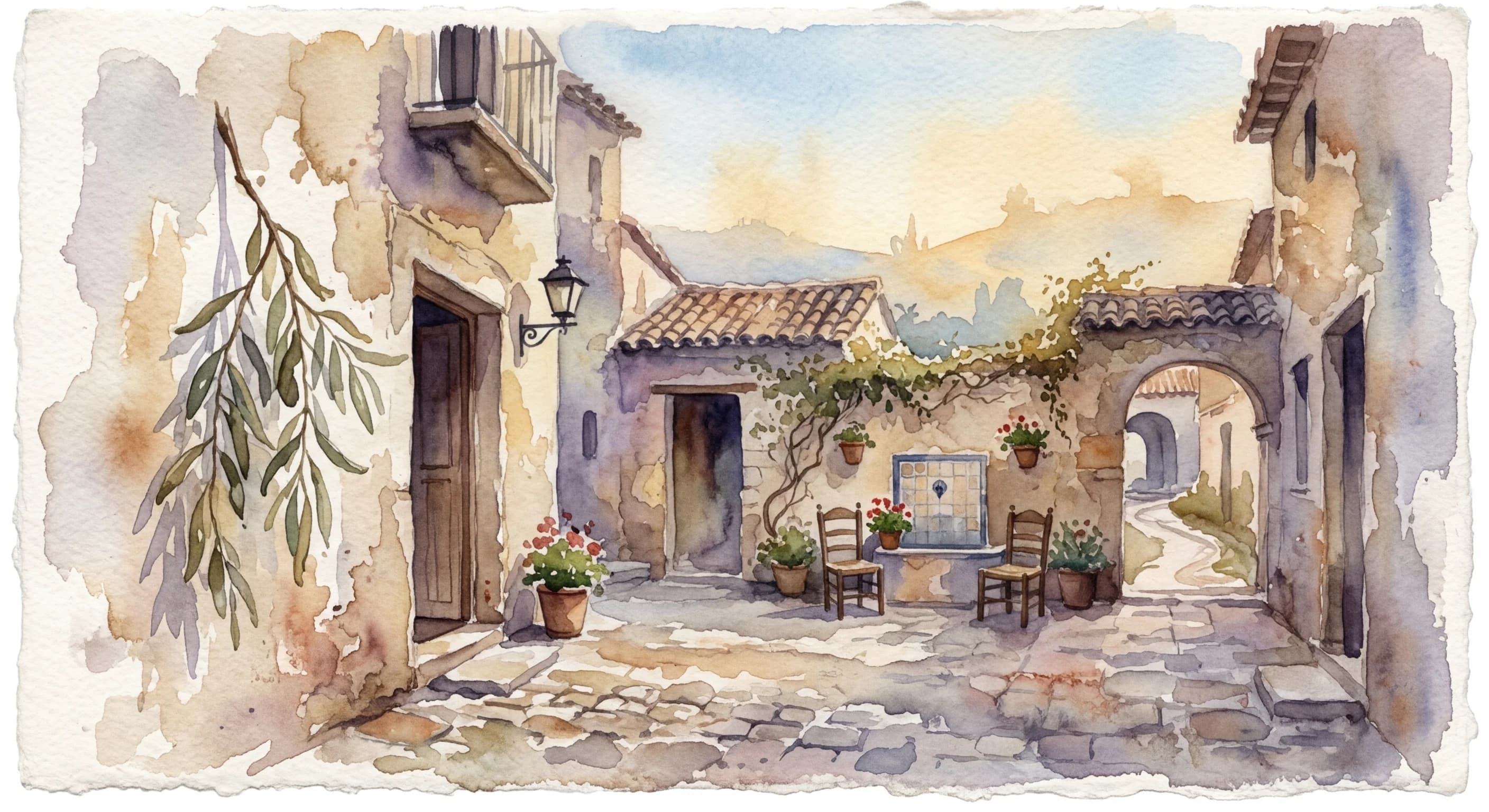
    Artistic representation of Enchufe
    Spanish•
    🇦🇷Argentina🇧🇴Bolivia🇨🇱Chile🇨🇴Colombia🇨🇷Costa Rica🇨🇺Cuba🇩🇴Dominican Republic🇪🇨Ecuador🇸🇻El Salvador🇬🇹Guatemala🇭🇳Honduras🇲🇽Mexico🇳🇮Nicaragua🇵🇦Panama🇵🇾Paraguay🇵🇪Peru🇵🇷Puerto Rico🇪🇸Spain🇺🇾Uruguay🇻🇪Venezuela

    Enchufe

    /en-CHOO-feh/

    Meaning

    While literally translating to 'plug' or 'socket', 'enchufe' in Spanish culture denotes a pervasive system of favoritism and nepotism. It describes the unfair advantage gained through personal connections, family ties, or political influence, rather than genuine merit or qualifications. This deeply ingrained concept highlights a societal acceptance, albeit often with resignation, that opportunities are frequently secured by 'knowing the right people' rather than through hard work or skill, fostering a sense of injustice among those excluded from such networks.

    Literal Translation

    Plug, socket, connection

    The Story Behind the Word

    The existence and widespread understanding of 'enchufe' is deeply rooted in Spain's historical social structures, particularly its emphasis on family, local community, and a certain degree of clientelism that has permeated various institutions. For centuries, personal relationships have often been more reliable pathways to advancement than formal systems, a legacy that persists despite modern meritocratic ideals. The word reflects a pragmatic, sometimes cynical, view of how power and opportunities truly operate within society. It reveals a cultural understanding that even in contemporary Spain, hierarchical structures and personal loyalties can often trump objective criteria, shaping perceptions of fairness and access to resources. This concept is not unique to Spain but is particularly salient and openly acknowledged there.

    Experience It

    The Cousin's Promotion

    María, a highly qualified engineer, was overlooked for a promotion. Her colleague, less experienced, got the role. Later, she overheard whispers: 'Claro, tiene enchufe; su tío es el director.' (Of course, he has 'enchufe'; his uncle is the director.)

    Job Interview Resignation

    After countless applications and interviews, a frustrated young graduate confides in a friend, 'Para conseguir un buen trabajo aquí, no basta con ser bueno, necesitas enchufe.' (To get a good job here, it's not enough to be good, you need 'enchufe'.)

    The Deeper Meaning

    The concept of 'enchufe' speaks to a profound societal tension between meritocracy and relational capital. It illuminates a cultural understanding that formal systems of equality and objective evaluation often contend with powerful, informal networks of influence. This reveals a worldview where personal connections are not merely beneficial but can be essential, challenging ideals of fairness and individual achievement within the fabric of society.

    Did You Know?

    The literal 'plug' meaning derives from the idea that someone with 'enchufe' is 'plugged in' to the system, directly connected to the source of power or opportunity, bypassing the regular channels.

    How It's Used

    Used informally to describe situations where someone has obtained a job, position, or advantage due to personal connections rather than merit. It can be said with a sigh of resignation or a tone of mild disapproval.

    Emotions
    anger,melancholy
    Contexts
    politics,social interaction,work
    🇦🇷Argentina🇧🇴Bolivia🇨🇱Chile🇨🇴Colombia🇨🇷Costa Rica🇨🇺Cuba🇩🇴Dominican Republic🇪🇨Ecuador🇸🇻El Salvador🇬🇹Guatemala🇭🇳Honduras🇲🇽Mexico🇳🇮Nicaragua🇵🇦Panama🇵🇾Paraguay🇵🇪Peru🇵🇷Puerto Rico🇪🇸Spain🇺🇾Uruguay🇻🇪Venezuela

    by Anya Petrova·Written Mar 10, 2026·Updated Apr 3, 2026

    Related Words

    Explore more
    HyggeDanish

    Hygge is more than mere coziness; it's a holistic embrace of comfort, warmth, and belonging that nourishes the soul. It describes the intentional creation of an intimate atmosphere where simple pleasures, genuine connection, and mindful presence converge, fostering a profound sense of contentment and well-being. It's about finding joy and peace in the small, everyday moments, often shared with loved ones.

    SaudadePortuguese

    Saudade encapsulates a profound, melancholic longing for something or someone cherished that is absent, often with the bittersweet knowledge that it may never return. It's a deep emotional state tinged with nostalgia, evoking a sense of loss for past experiences, places, or people, yet also holding a tender appreciation for the beauty of what once was. This yearning is not merely sadness, but a complex tapestry of desire, memory, and a poignant acceptance of absence, holding the beloved in a warm, persistent embrace within the heart.

    GezelligDutch

    Gezellig encapsulates a profound sense of warmth, belonging, and convivial comfort, extending beyond mere coziness to embrace the social and emotional atmosphere. It's the feeling of being truly at ease, surrounded by good company, laughter, and a shared sense of contentment. This untranslatable term describes not just a physical space, but a holistic experience where time seems to slow down, fostering genuine connection and a deep sense of well-being.

    Dolce far nienteItalian

    Dolce far niente captures the profound joy and effortless pleasure derived from simply existing without obligation or purpose. It's the art of savoring moments of pure, unadulterated idleness – lying in the sun, watching the clouds drift, or enjoying a leisurely coffee – not as a break from work, but as a valuable state in itself. This 'sweetness of doing nothing' is a conscious embrace of stillness and contentment, allowing the soul to breathe and the senses to fully engage with the present.