U.
HomeRegionsLanguagesEmotionsCollections
Find Your Word

“The limits of my language mean the limits of my world.”

— Ludwig Wittgenstein, Philosopher

Untranslatable

A curated collection of the world's most beautiful expressions—words that remind us language is humanity's greatest invention.

  • Home
  • Collections
  • Regions
  • Countries
  • Emotions
  • Tags
  • Contexts
  • Finder
  • Europe
  • Asia
  • Americas
  • Africa
  • Middle East
  • About
  • Contact
  • Privacy Policy
  • Terms of Service

2026 © Untranslatable. All rights reserved.

    /
    /
    1. Home
    2. /
    3. Europe
    4. /
    5. Dar el pego
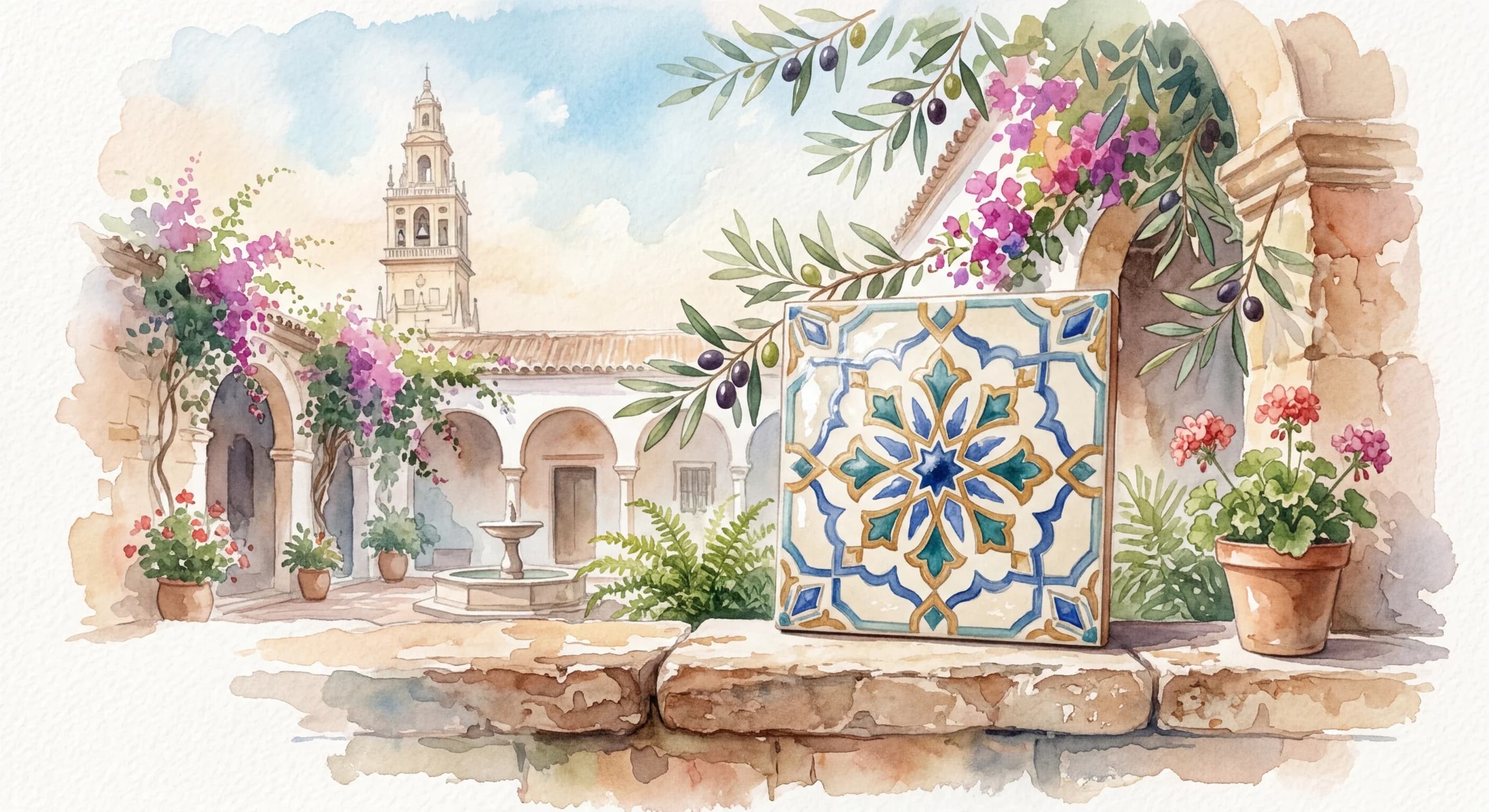
    Artistic representation of Dar el pego
    Spanish•
    🇪🇸Spain

    Dar el pego

    /DAHR el PEH-go/

    Meaning

    This Spanish idiom encapsulates the masterful act of deception, where something false or an imitation is so convincingly presented that it passes for genuine. It speaks to the cleverness and skill involved in creating an illusion, making a counterfeit object appear authentic, or a person's pretense seem real. The essence lies in the successful execution of this charade, where the trickery is so seamless that the observer is genuinely fooled, often leading to a sense of subtle satisfaction for the one who "pulls it off."

    Literal Translation

    To give the peg

    The Story Behind the Word

    The phrase "dar el pego" likely originates from artisan trades, particularly those involving wood or metalwork, where a 'pego' (peg or patch) might be skillfully applied to conceal a flaw, making the object appear perfect. This reflects a cultural appreciation for ingenuity and resourcefulness, even in matters of subtle deception or artful presentation. Spanish culture, with its rich history of craftsmanship and theatricality, often values wit and the ability to navigate situations with a certain flair. "Dar el pego" speaks to a society that recognizes the fine line between outright fraud and a clever, perhaps even charming, act of making something 'work' or appear better than it is, without necessarily implying malice. It's about the art of appearances and the human delight in a well-executed ruse.

    Experience It

    The Antique Impostor

    A street vendor meticulously polished a mass-produced vase, adding a faux patina and a convincing story. He managed to 'dar el pego' to a tourist, selling it as a valuable antique at a surprisingly high price.

    Faking It Till You Make It

    Despite having minimal experience, María confidently presented her project proposal with such conviction and detailed, albeit speculative, plans. She truly managed to 'dar el pego' to the investors, securing the funding for her startup.

    The Deeper Meaning

    This idiom subtly points to the power of perception and the subjective nature of reality. It highlights how convincingly presented appearances can shape our understanding, suggesting that truth can sometimes be less important than the art of persuasion. It touches upon the human capacity for invention and the grey areas between honesty and artful manipulation, reflecting a pragmatic view of how the world often operates.

    Did You Know?

    The literal translation 'to give the peg' hints at a physical act of fitting or fixing something, perhaps so well that it disguises an imperfection, thereby tricking the eye.

    How It's Used

    Used when someone has successfully tricked or fooled another person, or when an imitation is so good it's indistinguishable from the original.

    Emotions
    joy,wonder
    Context
    daily life
    🇪🇸Spain

    by Anya Petrova·Written Mar 10, 2026·Updated Apr 3, 2026

    Related Words

    Explore more
    HyggeDanish

    Hygge is more than mere coziness; it's a holistic embrace of comfort, warmth, and belonging that nourishes the soul. It describes the intentional creation of an intimate atmosphere where simple pleasures, genuine connection, and mindful presence converge, fostering a profound sense of contentment and well-being. It's about finding joy and peace in the small, everyday moments, often shared with loved ones.

    SaudadePortuguese

    Saudade encapsulates a profound, melancholic longing for something or someone cherished that is absent, often with the bittersweet knowledge that it may never return. It's a deep emotional state tinged with nostalgia, evoking a sense of loss for past experiences, places, or people, yet also holding a tender appreciation for the beauty of what once was. This yearning is not merely sadness, but a complex tapestry of desire, memory, and a poignant acceptance of absence, holding the beloved in a warm, persistent embrace within the heart.

    GezelligDutch

    Gezellig encapsulates a profound sense of warmth, belonging, and convivial comfort, extending beyond mere coziness to embrace the social and emotional atmosphere. It's the feeling of being truly at ease, surrounded by good company, laughter, and a shared sense of contentment. This untranslatable term describes not just a physical space, but a holistic experience where time seems to slow down, fostering genuine connection and a deep sense of well-being.

    Dolce far nienteItalian

    Dolce far niente captures the profound joy and effortless pleasure derived from simply existing without obligation or purpose. It's the art of savoring moments of pure, unadulterated idleness – lying in the sun, watching the clouds drift, or enjoying a leisurely coffee – not as a break from work, but as a valuable state in itself. This 'sweetness of doing nothing' is a conscious embrace of stillness and contentment, allowing the soul to breathe and the senses to fully engage with the present.