U.
HomeRegionsLanguagesEmotionsCollections
Find Your Word

“The limits of my language mean the limits of my world.”

— Ludwig Wittgenstein, Philosopher

Untranslatable

A curated collection of the world's most beautiful expressions—words that remind us language is humanity's greatest invention.

  • Home
  • Collections
  • Regions
  • Countries
  • Emotions
  • Tags
  • Contexts
  • Finder
  • Europe
  • Asia
  • Americas
  • Africa
  • Middle East
  • About
  • Contact
  • Privacy Policy
  • Terms of Service

2026 © Untranslatable. All rights reserved.

    /
    /
    1. Home
    2. /
    3. Europe
    4. /
    5. Kottke
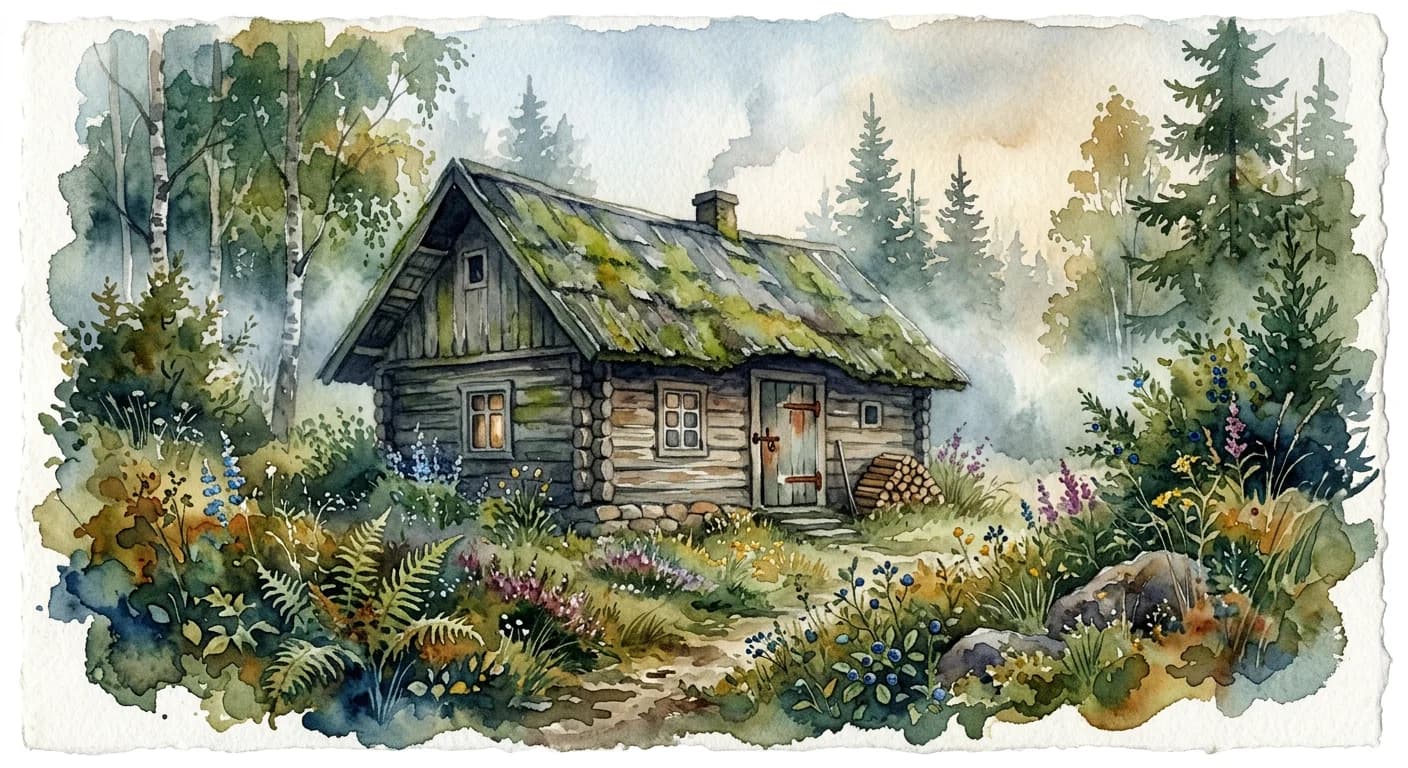
    Artistic representation of Kottke
    Latvian•
    🇱🇻Latvia

    Kottke

    /KOHT-keh/

    Meaning

    In Latvian, 'kottke' conjures the image of a small, often weather-beaten wooden shed or outbuilding, a humble yet indispensable fixture in the rural landscape or on older homesteads. These structures are typically crafted from rough-hewn timber, embodying a spirit of unpretentious utility, serving as guardians for tools, firewood, or garden implements. More than just storage, a kottke represents a tangible link to a self-sufficient, land-based way of life, echoing generations of practical ingenuity and a deep connection to Latvian soil.

    Literal Translation

    shed, outbuilding

    The Story Behind the Word

    The 'kottke' is deeply embedded in Latvian rural identity, reflecting a history of agrarian life and a pragmatic approach to resources. Its existence underscores a cultural value placed on self-reliance, sustainability, and making the most of available materials. Historically, every farmstead would have had several kottkes, each serving a distinct purpose – a woodshed, a smokehouse, a storage for flax or potatoes. This word reveals a worldview where functionality and resilience are paramount, where structures are built to endure the harsh Baltic seasons and to support the daily rhythm of farming. It speaks to a respect for tradition and a connection to the land that defines much of Latvian heritage, embodying the spirit of 'saimnieks' (master of the household) who meticulously manages their property.

    Experience It

    Winter Firewood Prep

    Jānis trudged through the crisp snow, his breath misting in the cold air, towards the old kottke. Inside, neatly stacked logs awaited, promising warmth for the long winter nights. The scent of dry wood filled the small, rustic space, a comforting aroma of preparedness.

    Gardener's Retreat

    After a morning spent tending the vegetable patch, Elīna retreated to her small kottke. Among the spades and watering cans, she found a moment of quiet, planning the next season's planting, surrounded by the tools of her labor and the earthy smell of the shed.

    The Deeper Meaning

    The 'kottke' embodies a philosophy of humble utility and enduring resilience. It speaks to a worldview where practical necessity dictates form, and where sustainability is not a modern concept but an ingrained way of life. It subtly suggests that true value lies in functionality and longevity, rather than ostentation, reflecting a deep respect for natural resources and human ingenuity in harmony with the environment.

    Did You Know?

    Many kottkes are built without nails, using traditional joinery techniques, showcasing a remarkable ingenuity and craftsmanship passed down through generations.

    How It's Used

    Used to describe a small, functional outbuilding or shed, especially one made of wood and found in a rural or traditional setting.

    Emotions
    belonging,comfort,nostalgia
    Contexts
    nature,seasons,work
    🇱🇻Latvia

    by Anya Petrova·Written Mar 14, 2026·Updated Apr 3, 2026

    Related Words

    Explore more
    HyggeDanish

    Hygge is more than mere coziness; it's a holistic embrace of comfort, warmth, and belonging that nourishes the soul. It describes the intentional creation of an intimate atmosphere where simple pleasures, genuine connection, and mindful presence converge, fostering a profound sense of contentment and well-being. It's about finding joy and peace in the small, everyday moments, often shared with loved ones.

    SaudadePortuguese

    Saudade encapsulates a profound, melancholic longing for something or someone cherished that is absent, often with the bittersweet knowledge that it may never return. It's a deep emotional state tinged with nostalgia, evoking a sense of loss for past experiences, places, or people, yet also holding a tender appreciation for the beauty of what once was. This yearning is not merely sadness, but a complex tapestry of desire, memory, and a poignant acceptance of absence, holding the beloved in a warm, persistent embrace within the heart.

    GezelligDutch

    Gezellig encapsulates a profound sense of warmth, belonging, and convivial comfort, extending beyond mere coziness to embrace the social and emotional atmosphere. It's the feeling of being truly at ease, surrounded by good company, laughter, and a shared sense of contentment. This untranslatable term describes not just a physical space, but a holistic experience where time seems to slow down, fostering genuine connection and a deep sense of well-being.

    Dolce far nienteItalian

    Dolce far niente captures the profound joy and effortless pleasure derived from simply existing without obligation or purpose. It's the art of savoring moments of pure, unadulterated idleness – lying in the sun, watching the clouds drift, or enjoying a leisurely coffee – not as a break from work, but as a valuable state in itself. This 'sweetness of doing nothing' is a conscious embrace of stillness and contentment, allowing the soul to breathe and the senses to fully engage with the present.