U.
HomeRegionsLanguagesEmotionsCollections
Find Your Word

“The limits of my language mean the limits of my world.”

— Ludwig Wittgenstein, Philosopher

Untranslatable

A curated collection of the world's most beautiful expressions—words that remind us language is humanity's greatest invention.

  • Home
  • Collections
  • Regions
  • Countries
  • Emotions
  • Tags
  • Contexts
  • Finder
  • Europe
  • Asia
  • Americas
  • Africa
  • Middle East
  • About
  • Contact
  • Privacy Policy
  • Terms of Service

2026 © Untranslatable. All rights reserved.

    /
    /
    1. Home
    2. /
    3. Europe
    4. /
    5. Vergüenza torera
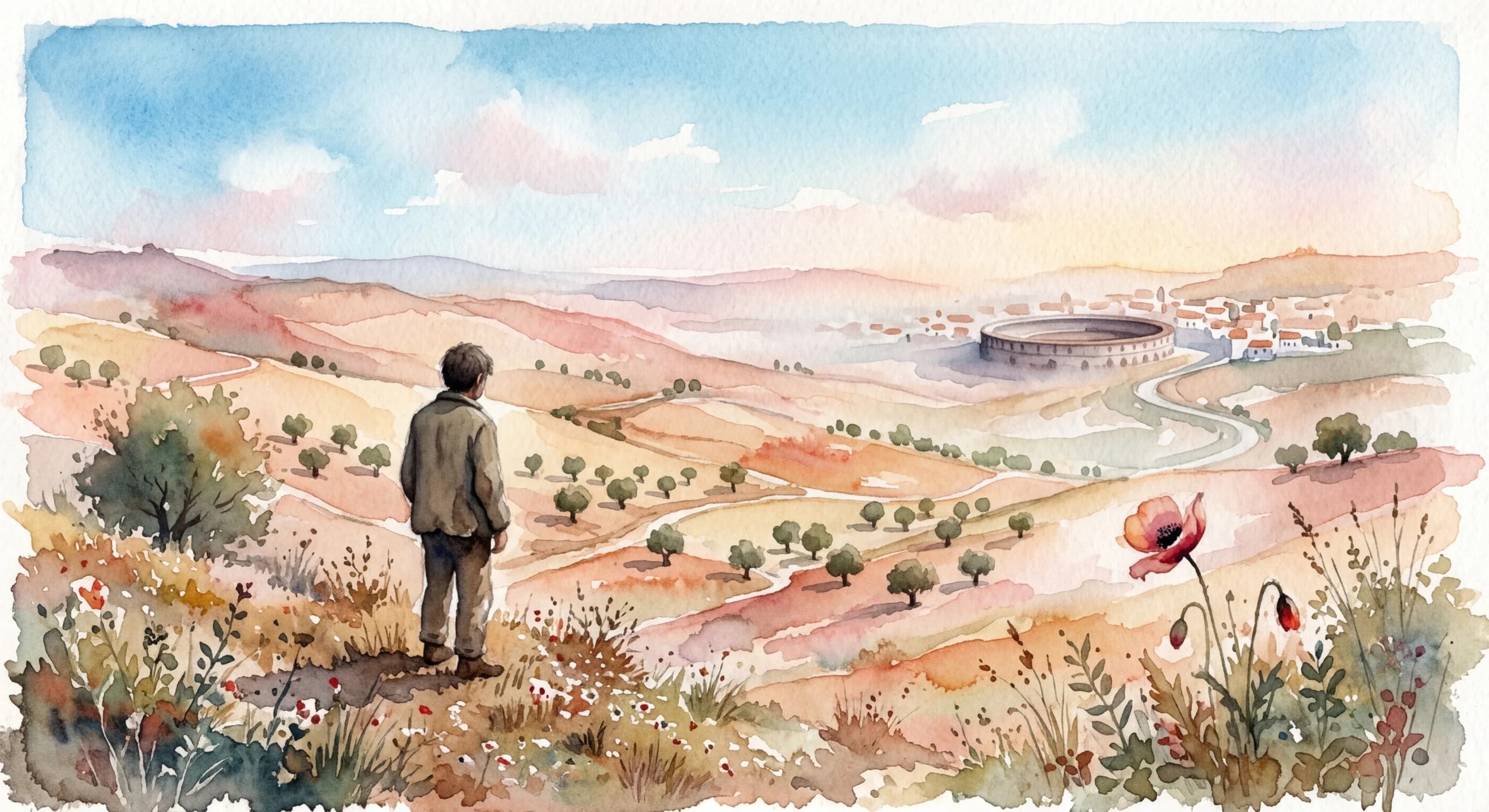
    Artistic representation of Vergüenza torera
    Spanish•
    🇪🇸Spain

    Vergüenza torera

    /ver-GWEN-tha tho-REH-ra/

    Meaning

    Vergüenza torera describes a profound, almost visceral shame felt not for one's own misdeeds, but for witnessing another's public humiliation, cowardice, or spectacular failure, especially when honor and dignity are paramount. It's the deep, empathetic mortification that washes over an observer when someone else crumbles under pressure or acts dishonorably, stripping away their own and, by extension, the collective's decorum. This vicarious embarrassment transcends simple awkwardness, delving into a shared sense of dignity violated.

    Literal Translation

    Bullfighter's shame

    The Story Behind the Word

    The phrase 'vergüenza torera' is deeply rooted in Spain's bullfighting tradition, a spectacle where courage, skill, and honor are intensely scrutinized. A matador's performance is not just a display of bravery against a bull, but a public ritual where dignity can be won or lost in an instant. The concept extends beyond the bullring, reflecting a broader Spanish cultural emphasis on 'dignidad' (dignity) and 'honor' (honor), which are often perceived as communal rather than purely individual. To witness someone act shamefully, particularly in a public setting, can feel like a stain on the collective honor, prompting this unique form of vicarious shame. It highlights a society where individual actions resonate with a larger group identity and where public perception of integrity holds significant weight.

    Experience It

    Politician's Gaffe

    Watching the live news, Maria felt a flush of 'vergüenza torera' as the well-respected politician stammered incoherently and then visibly panicked during a crucial debate. His public display of incompetence wasn't her fault, yet she felt a deep, cringing shame for him and the institution he represented.

    Teammate's Cowardice

    During the football match, when their star player deliberately avoided a tackle that could have saved a goal, the coach felt a surge of 'vergüenza torera.' It wasn't just the loss; it was the public display of fear and lack of commitment that truly shamed him, as if he himself had flinched.

    The Deeper Meaning

    This phrase reveals a cultural philosophy where honor and dignity are not solely personal burdens but are intertwined with collective identity and public perception. It suggests that human beings are deeply interconnected, such that one person's public failure or cowardice can inflict a genuine, empathetic wound of shame upon onlookers, highlighting a strong communal sense of reputation and moral responsibility.

    Did You Know?

    While literally meaning 'bullfighter's shame,' 'vergüenza torera' is rarely used to describe a matador's actual personal shame, but rather the audience's profound embarrassment for a poor performance.

    How It's Used

    Used to describe a feeling of shame or embarrassment experienced due to witnessing someone else's disgrace, cowardice, or a public failure, especially in a context where dignity or honor is expected.

    Emotions
    bittersweet,melancholy
    Contexts
    celebration,dining,work
    🇪🇸Spain

    by Anya Petrova·Written Mar 10, 2026·Updated Apr 3, 2026

    Related Words

    Explore more
    HyggeDanish

    Hygge is more than mere coziness; it's a holistic embrace of comfort, warmth, and belonging that nourishes the soul. It describes the intentional creation of an intimate atmosphere where simple pleasures, genuine connection, and mindful presence converge, fostering a profound sense of contentment and well-being. It's about finding joy and peace in the small, everyday moments, often shared with loved ones.

    SaudadePortuguese

    Saudade encapsulates a profound, melancholic longing for something or someone cherished that is absent, often with the bittersweet knowledge that it may never return. It's a deep emotional state tinged with nostalgia, evoking a sense of loss for past experiences, places, or people, yet also holding a tender appreciation for the beauty of what once was. This yearning is not merely sadness, but a complex tapestry of desire, memory, and a poignant acceptance of absence, holding the beloved in a warm, persistent embrace within the heart.

    GezelligDutch

    Gezellig encapsulates a profound sense of warmth, belonging, and convivial comfort, extending beyond mere coziness to embrace the social and emotional atmosphere. It's the feeling of being truly at ease, surrounded by good company, laughter, and a shared sense of contentment. This untranslatable term describes not just a physical space, but a holistic experience where time seems to slow down, fostering genuine connection and a deep sense of well-being.

    Dolce far nienteItalian

    Dolce far niente captures the profound joy and effortless pleasure derived from simply existing without obligation or purpose. It's the art of savoring moments of pure, unadulterated idleness – lying in the sun, watching the clouds drift, or enjoying a leisurely coffee – not as a break from work, but as a valuable state in itself. This 'sweetness of doing nothing' is a conscious embrace of stillness and contentment, allowing the soul to breathe and the senses to fully engage with the present.