U.
HomeRegionsLanguagesEmotionsCollections
Find Your Word

“The limits of my language mean the limits of my world.”

— Ludwig Wittgenstein, Philosopher

Untranslatable

A curated collection of the world's most beautiful expressions—words that remind us language is humanity's greatest invention.

  • Home
  • Collections
  • Regions
  • Countries
  • Emotions
  • Tags
  • Contexts
  • Finder
  • Europe
  • Asia
  • Americas
  • Africa
  • Middle East
  • About
  • Contact
  • Privacy Policy
  • Terms of Service

2026 © Untranslatable. All rights reserved.

    /
    /
    1. Home
    2. /
    3. Europe
    4. /
    5. Lapsa
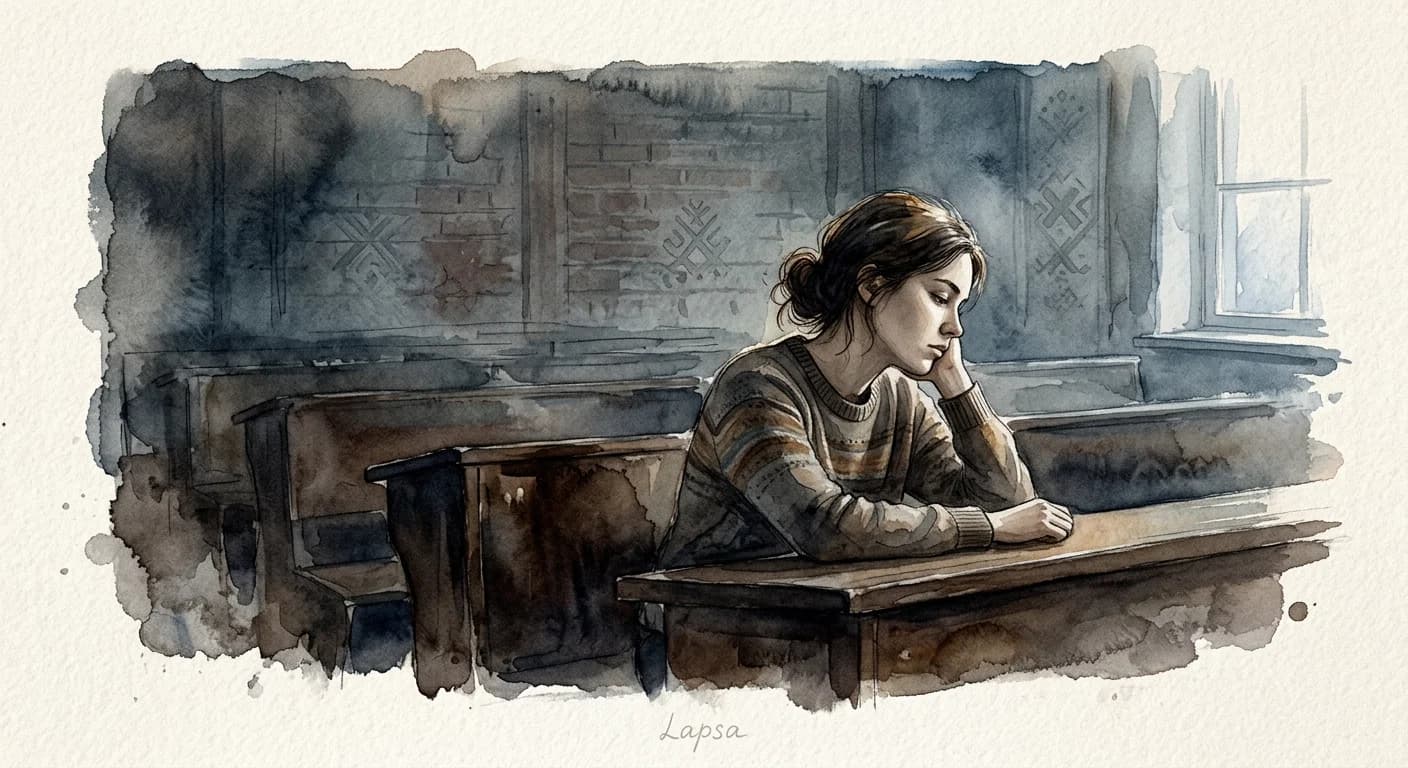
    Artistic representation of Lapsa
    Latvian•
    🇱🇻Latvia

    Lapsa

    /LAHPSA/

    Meaning

    Lapsa describes the involuntary, often brief, descent into sleep when one earnestly intends to stay awake, typically in a public or formal setting. It's more than just a fleeting nod; it encompasses the mild jolt of awakening that follows, tinged with a sense of embarrassment or mild self-reproach for having succumbed. This accidental slumber is a testament to the body's overwhelming need for rest, often occurring during tedious lectures, long meetings, or even while standing during a lengthy ceremony.

    Literal Translation

    To fall asleep (accidentally)

    The Story Behind the Word

    The existence of 'lapsa' in Latvian reflects a cultural value placed on attentiveness and self-control, particularly in communal or formal situations. In a society that has historically faced periods of hardship and required resilience, the act of unintentionally falling asleep might be seen as a minor failure of willpower or an inability to maintain one's composure. It hints at an underlying stoicism and a subtle expectation to endure, even through boredom or fatigue. It also acknowledges the universal human vulnerability to exhaustion, yet frames it with a touch of societal expectation.

    Experience It

    Board Meeting Slip

    During a particularly dry budget review, Jānis felt his eyelids growing heavy. Despite his best efforts to focus, his head suddenly dipped forward, only to snap back up with an audible gasp. He quickly pretended to clear his throat, hoping no one noticed his 'lapsa'.

    Long Sermon Nod

    The pastor's sermon stretched on, and the warm church air combined with a lack of sleep from the night before began to take its toll on Anna. Her eyes fluttered shut, and she experienced a brief, dreamless 'lapsa' before her neighbor's gentle cough brought her back to consciousness, a blush creeping up her neck.

    The Deeper Meaning

    Lapsa subtly highlights the tension between societal expectations of constant vigilance and the undeniable biological imperatives of the human body. It acknowledges our inherent limitations, suggesting that even with the best intentions, the physical self can momentarily override the conscious will. It's a small, humanizing admission of our shared vulnerability to exhaustion.

    Did You Know?

    The root 'laps' is also associated with 'lapsene' (wasp) in Latvian, perhaps subtly linking the sudden, unexpected nature of falling asleep to the surprise sting of a wasp.

    How It's Used

    Used to describe the involuntary act of falling asleep in inappropriate or inconvenient situations, often due to tiredness.

    Emotions
    comfort,melancholy,warmth
    Contexts
    relaxation,travel,work
    🇱🇻Latvia

    by Annelise Dubois·Written Mar 14, 2026·Updated Apr 3, 2026

    Related Words

    Explore more
    HyggeDanish

    Hygge is more than mere coziness; it's a holistic embrace of comfort, warmth, and belonging that nourishes the soul. It describes the intentional creation of an intimate atmosphere where simple pleasures, genuine connection, and mindful presence converge, fostering a profound sense of contentment and well-being. It's about finding joy and peace in the small, everyday moments, often shared with loved ones.

    SaudadePortuguese

    Saudade encapsulates a profound, melancholic longing for something or someone cherished that is absent, often with the bittersweet knowledge that it may never return. It's a deep emotional state tinged with nostalgia, evoking a sense of loss for past experiences, places, or people, yet also holding a tender appreciation for the beauty of what once was. This yearning is not merely sadness, but a complex tapestry of desire, memory, and a poignant acceptance of absence, holding the beloved in a warm, persistent embrace within the heart.

    GezelligDutch

    Gezellig encapsulates a profound sense of warmth, belonging, and convivial comfort, extending beyond mere coziness to embrace the social and emotional atmosphere. It's the feeling of being truly at ease, surrounded by good company, laughter, and a shared sense of contentment. This untranslatable term describes not just a physical space, but a holistic experience where time seems to slow down, fostering genuine connection and a deep sense of well-being.

    Dolce far nienteItalian

    Dolce far niente captures the profound joy and effortless pleasure derived from simply existing without obligation or purpose. It's the art of savoring moments of pure, unadulterated idleness – lying in the sun, watching the clouds drift, or enjoying a leisurely coffee – not as a break from work, but as a valuable state in itself. This 'sweetness of doing nothing' is a conscious embrace of stillness and contentment, allowing the soul to breathe and the senses to fully engage with the present.