U.
HomeRegionsLanguagesEmotionsCollections
Find Your Word

“The limits of my language mean the limits of my world.”

— Ludwig Wittgenstein, Philosopher

Untranslatable

A curated collection of the world's most beautiful expressions—words that remind us language is humanity's greatest invention.

  • Home
  • Collections
  • Regions
  • Countries
  • Emotions
  • Tags
  • Contexts
  • Finder
  • Europe
  • Asia
  • Americas
  • Africa
  • Middle East
  • About
  • Contact
  • Privacy Policy
  • Terms of Service

2026 © Untranslatable. All rights reserved.

    /
    /
    1. Home
    2. /
    3. Europe
    4. /
    5. Mocidade
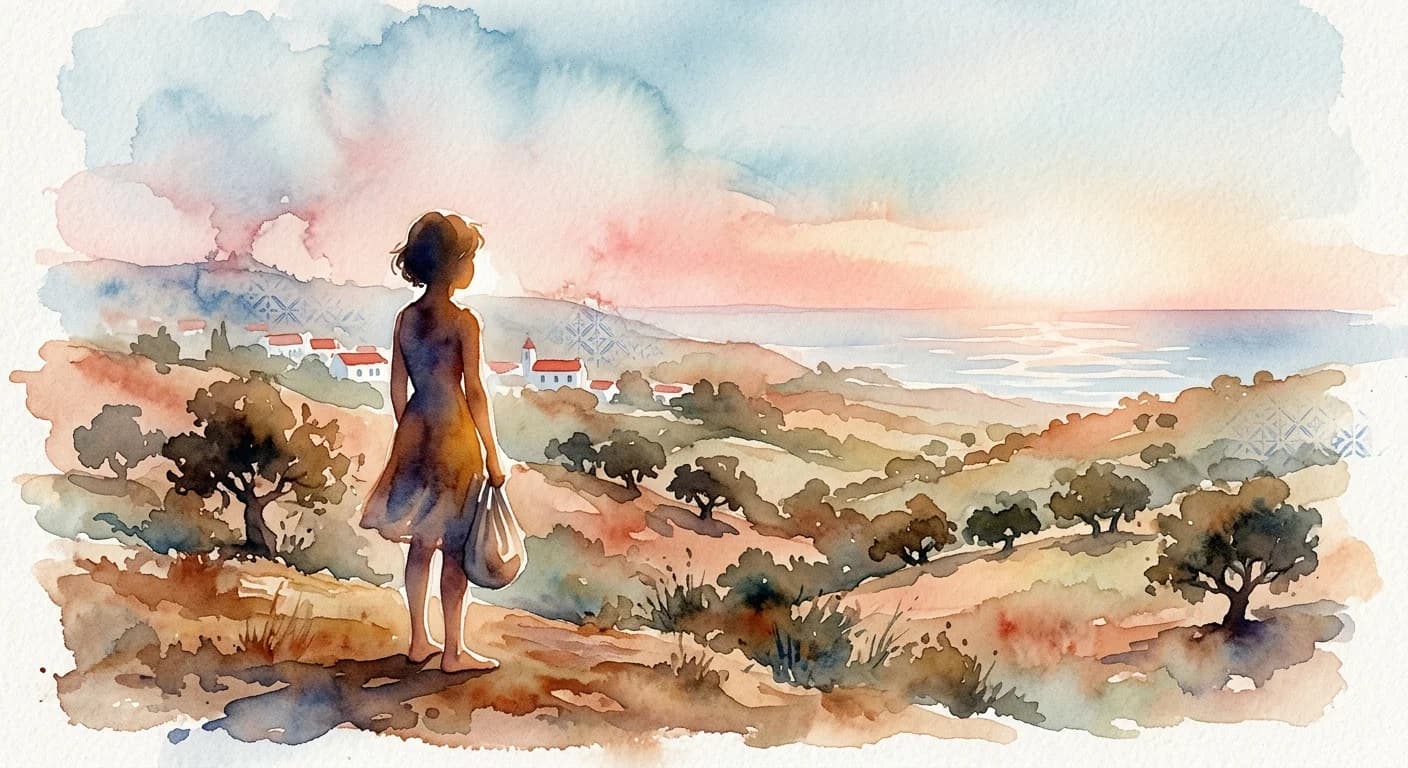
    Artistic representation of Mocidade
    Portuguese•
    🇦🇴Angola🇧🇷Brazil🇨🇻Cape Verde🇬🇼Guinea-Bissau🇲🇿Mozambique🇵🇹Portugal🇸🇹São Tomé and Príncipe🇹🇱Timor-Leste

    Mocidade

    /moh-shee-DAH-djee/

    Meaning

    Mocidade transcends a mere age bracket; it embodies the effervescent spirit of youth, a time brimming with boundless energy, audacious dreams, and a fervent desire for self-discovery. It's the period where one grapples with burgeoning independence, experiences first loves and heartbreaks, and feels the world's possibilities stretch infinitely before them. This term encapsulates the raw intensity and almost poetic vulnerability of formative years, often recalled with a bittersweet nostalgia by those who have navigated its exhilarating, sometimes turbulent, currents.

    Literal Translation

    Youth

    The Story Behind the Word

    In Portuguese culture, 'Mocidade' holds a cherished place, deeply intertwined with notions of national identity and historical memory. Portugal, a country with a rich seafaring past and a history of both glorious discoveries and challenging periods, often looks to its youth as the bearers of future hope and innovation. The concept reflects a cultural appreciation for the vitality and optimism of the young, viewing them not just as individuals growing up, but as a collective force shaping the nation's destiny. It's frequently evoked in Fado music, literature, and popular culture as a time of unbridled passion and fleeting beauty, often contrasted with the wisdom and burdens of 'velhice' (old age). This emphasis highlights a cyclic view of life, where the 'mocidade' is the spring from which future generations draw their strength and character.

    Experience It

    Recalling Past Glories

    An old man sips his coffee, a wistful smile on his face. 'Ah, a mocidade,' he sighs, 'those were the days of endless summers and impossible dreams, when we thought we could change the world.' He remembers the reckless abandon and the deep friendships forged during that time.

    Inspiring the Young

    A politician addresses a crowd of students, urging them to engage with society. 'A mocidade of today holds the power to innovate, to question, and to build a brighter future for Portugal,' she declares, appealing to their inherent drive and idealism.

    The Deeper Meaning

    The concept of 'Mocidade' reveals a philosophical understanding of life's stages, not merely as chronological progression but as distinct existential phases. It suggests a reverence for the unique qualities of youth – its potential, idealism, and capacity for intense emotion – viewing it as a precious, non-replicable period. This perspective encourages a cultural appreciation for living fully in each stage, while acknowledging the profound impact and nostalgic pull of one's formative 'mocidade'.

    Did You Know?

    The word 'Mocidade' is famously part of the name of several samba schools in Brazil, like 'Mocidade Independente de Padre Miguel,' symbolizing their youthful energy and vibrant spirit.

    How It's Used

    Used to refer to the period of youth, adolescence, and young adulthood. It can be used to describe the general state of being young, or to evoke the specific feelings and experiences associated with this life stage.

    Emotions
    hope,joy,nostalgia,warmth
    Contexts
    celebration,friendship,travel,work
    🇦🇴Angola🇧🇷Brazil🇨🇻Cape Verde🇬🇼Guinea-Bissau🇲🇿Mozambique🇵🇹Portugal🇸🇹São Tomé and Príncipe🇹🇱Timor-Leste

    by Anya Petrova·Written Mar 14, 2026·Updated Apr 3, 2026

    Related Words

    Explore more
    HyggeDanish

    Hygge is more than mere coziness; it's a holistic embrace of comfort, warmth, and belonging that nourishes the soul. It describes the intentional creation of an intimate atmosphere where simple pleasures, genuine connection, and mindful presence converge, fostering a profound sense of contentment and well-being. It's about finding joy and peace in the small, everyday moments, often shared with loved ones.

    SaudadePortuguese

    Saudade encapsulates a profound, melancholic longing for something or someone cherished that is absent, often with the bittersweet knowledge that it may never return. It's a deep emotional state tinged with nostalgia, evoking a sense of loss for past experiences, places, or people, yet also holding a tender appreciation for the beauty of what once was. This yearning is not merely sadness, but a complex tapestry of desire, memory, and a poignant acceptance of absence, holding the beloved in a warm, persistent embrace within the heart.

    GezelligDutch

    Gezellig encapsulates a profound sense of warmth, belonging, and convivial comfort, extending beyond mere coziness to embrace the social and emotional atmosphere. It's the feeling of being truly at ease, surrounded by good company, laughter, and a shared sense of contentment. This untranslatable term describes not just a physical space, but a holistic experience where time seems to slow down, fostering genuine connection and a deep sense of well-being.

    Dolce far nienteItalian

    Dolce far niente captures the profound joy and effortless pleasure derived from simply existing without obligation or purpose. It's the art of savoring moments of pure, unadulterated idleness – lying in the sun, watching the clouds drift, or enjoying a leisurely coffee – not as a break from work, but as a valuable state in itself. This 'sweetness of doing nothing' is a conscious embrace of stillness and contentment, allowing the soul to breathe and the senses to fully engage with the present.