Naïf
/nah-EEF/
Meaning
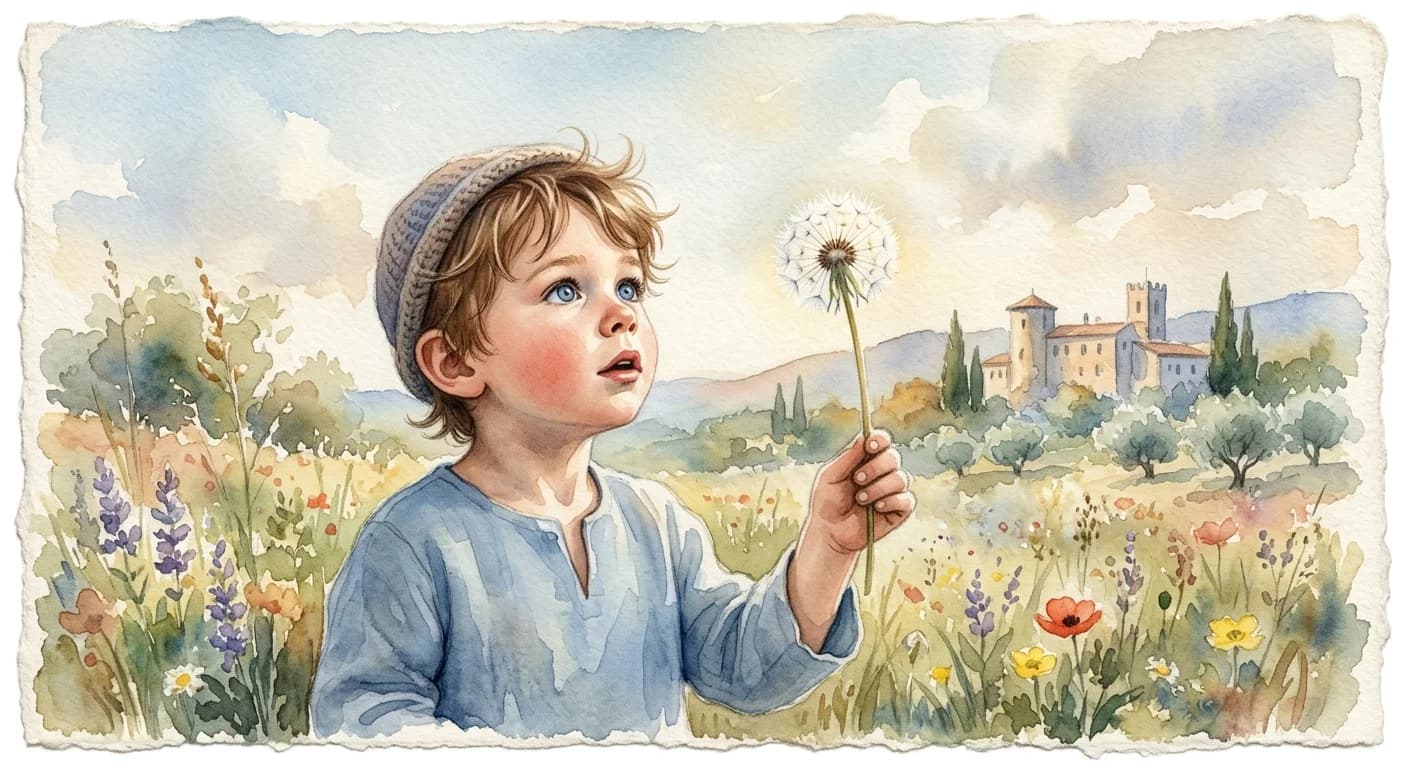
The French word 'naïf' transcends a simple lack of experience, embodying a cherished, almost poetic innocence. It describes a soul unburdened by cynicism, possessing a sincere, often charmingly simple worldview that instinctively trusts and finds beauty. This quality suggests an untarnished purity, a genuine lack of artifice or guile that, while sometimes leading to credulity, is often regarded with a poignant admiration for its vulnerability and authentic spirit.
Literal Translation
naive
The Story Behind the Word
The concept of 'naïf' resonates deeply within French culture, which often values authenticity, directness, and a certain romanticized view of childhood and unspoiled nature. It reflects an appreciation for genuine sentiment over calculated sophistication, a nod to Rousseau's idea of the 'noble savage' and a yearning for an uncorrupted state of being. In a society that can be perceived as highly structured and intellectually nuanced, 'naïf' offers a refreshing counterpoint, celebrating a heart-driven innocence that sees the world with fresh eyes. It's not merely a lack of knowledge, but a distinct way of relating to the world that is both vulnerable and beautiful, often evoked in art and literature as a desirable state.
Experience It
A Naïf Artist
The old painter, despite his years, approached every canvas with a 'naïf' wonder, using vibrant, unmixed colors and simple forms. His art, though technically unrefined, captivated viewers with its pure, unadulterated vision of the world, untouched by academic convention.
A Child's Question
Little Juliette, in her 'naïf' sincerity, asked the magician if his dove truly flew to the moon every night. Her trusting eyes and unblemished belief in the magic charmed everyone, reminding them of a lost innocence.
The Deeper Meaning
The word 'naïf' subtly reflects a philosophical tension in French thought between the ideal of an uncorrupted, natural state and the complexities of human experience. It suggests a longing for a pre-lapsarian innocence, where trust is inherent and the world is perceived without the filters of suspicion or cynicism. This perspective values emotional truth and purity of intention above worldly wisdom or strategic thinking, hinting at a belief that true beauty often lies in unadorned simplicity.
Did You Know?
The term 'naïf' is famously used in art to describe 'naïve art' or 'Art Naïf,' a style characterized by a childlike simplicity of execution and vision, often by self-taught artists.
How It's Used
Used to describe a person, their expression, or their actions that display a charming and unworldly innocence.